Practical advice
10 days in the imperial cities by train: Casablanca, Rabat, Meknes, Volubilis, Fes and Marrakech
Four cities have been Morocco's capital: Fes, Marrakech, Meknes and Rabat.
This is Morocco's great journey: from the red city over the High Atlas to the land of mud castles, through two gorges to the dunes, and back over the…
The north is the gentlest corner of Morocco, half Andalusian, green in spring, and an hour by boat from Spain.
Morocco makes good wine and beer, and visitors may drink in licensed places.
Most visitors need only a passport. Three things catch people out: a passport that expires too soon, a missing entry stamp, and a drone in the luggage.
Morocco has some 3,500 km of coast, if you count Western Sahara.
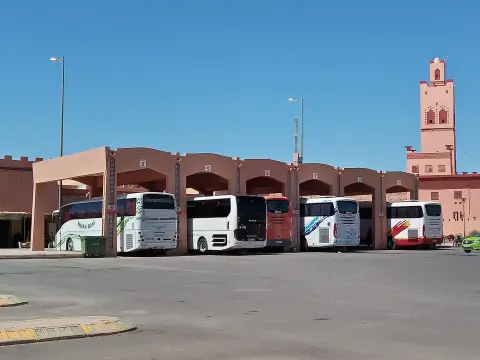
Where the railway stops, buses take over.
Moroccans are sociable, patient with foreigners and very fond of a joke.
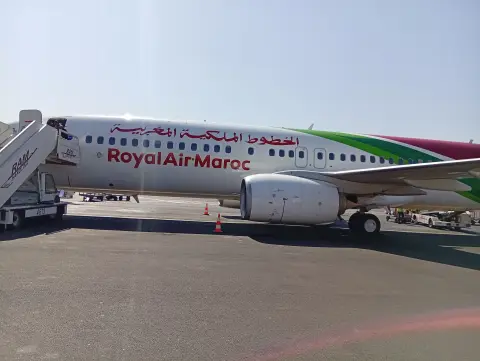
For most trips in Morocco, flying isn't worth it: the cities are a few hours apart by train.
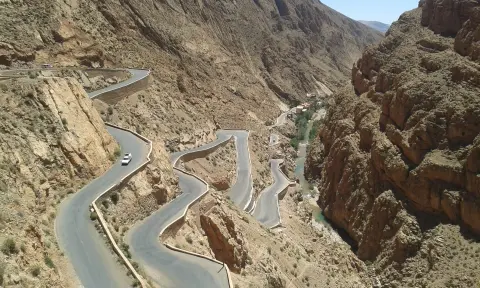
A car opens up the Atlas, the gorges and the desert road, where you'll want to stop every few kilometres.
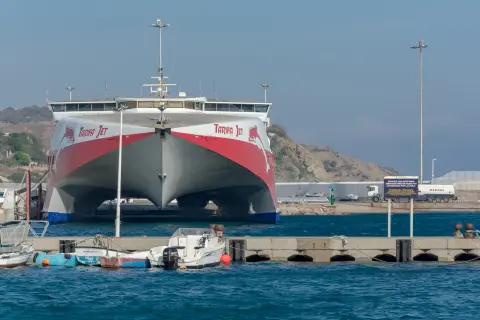
Europe and Africa are 14 km apart at the narrowest point, and crossing by boat is a fine way to arrive.
A medina is a whole medieval city, walled, dense and still lived in.
Moroccan cooking is fragrant rather than hot: cumin, ginger, saffron, preserved lemon, olives and slow heat.
Most visitors to Morocco suffer nothing worse than an upset stomach.
Morocco is one of the safer countries in its region, and nearly 20 million visitors came in 2025.
Most visitors never meet the police except at a checkpoint.
Tea is how Morocco says welcome. You'll be offered it in shops, guesthouses, tents and homes, and turning it down flat can feel cold.
Morocco runs on cash. Its currency, the dirham (DH or MAD), is closed: you can't easily buy it before you come, or change it after you've left.
Mobile data is cheap and fast in Morocco, and works in surprisingly remote places.
For a month each year nearly all Moroccans go without food, drink and cigarettes from dawn to sunset.
Most people who talk to you in Morocco are only being friendly.
Morocco's craftsmen still make things by hand in sight of the street, and half the luggage home is usually theirs.
Morocco's Atlantic coast gets swell all winter, warm sun and waves for every level within a few kilometres.
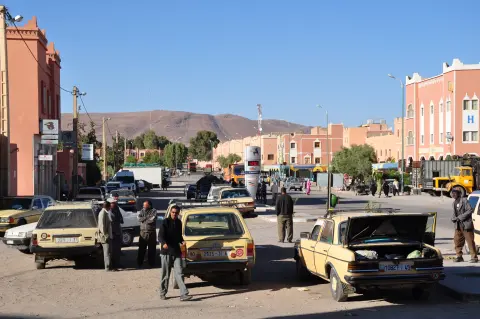
Taxis are everywhere and cheap. There are two kinds with different rules, and once you know them most arguments disappear.
The dunes are a long way from everywhere, and that's what makes them.
Small tips oil everything in Morocco. Wages are low, and many people who help you, such as the man who watches your car, live on coins.
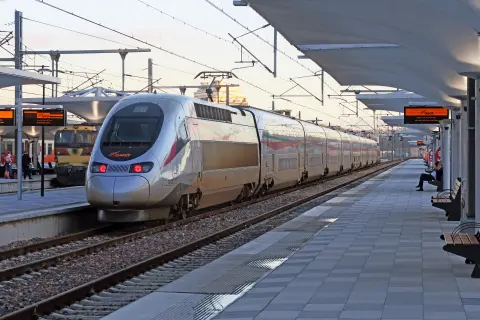
Morocco's trains are the most comfortable way between the big cities, and cheap.
The High Atlas has North Africa's highest summit, terraced villages, mule paths and a long tradition of looking after walkers.
March to May and October to early November suit most trips: warm days, cool nights, and roads open.
Many women travel in Morocco alone every year and love it.