
Practical advice
The whole of the fjord country in one line, with the most famous hikes, four of the Scenic Routes and half a dozen ferries.

Practical advice
Tromsø is a university town of wooden houses on an island, 350 km north of the Arctic Circle, with more to do in January than most places have in July.

Practical advice
This is the classic first trip: a capital on a fjord, one of the world's great railways, the narrowest of the big fjords, and the old trading port of…

Practical advice
Peaks like teeth straight out of the sea, white beaches with turquoise and very cold water, and red cabins on stilts.
Practical advice
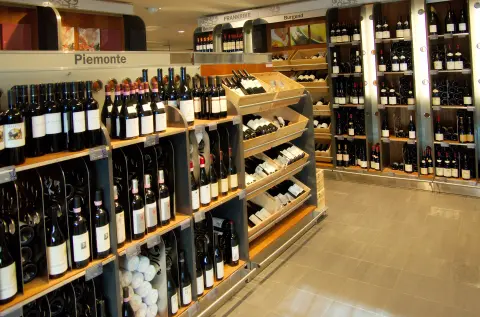
Alcohol is heavily taxed and sold under strict rules.
Practical advice
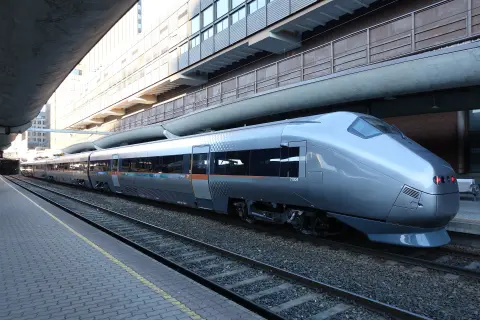
Norway isn't in the European Union, but it is in the Schengen area, so there are no routine passport checks if you come from most of Europe.

Practical advice
Norway's best ridge walks are free, and well marked, and need only a start in good time.
Practical advice
Norwegians are friendly, informal and not talkative.
Practical advice
A car is the best way to see the fjords and the far north.
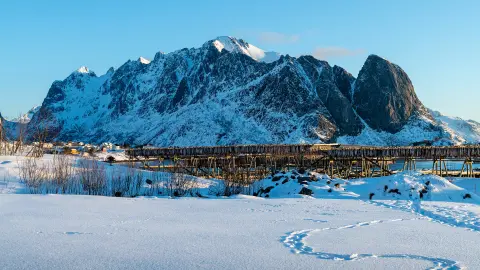
Practical advice
The best of it is simple: fish straight out of cold water, lamb that has eaten mountain grass, berries, and warm waffles.
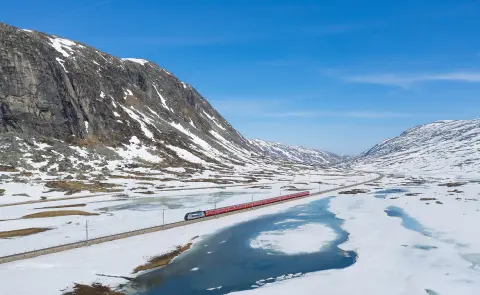
Practical advice
Norway is long: from Oslo to the North Cape it's about 2,000 km by road.

Practical advice
Care is excellent, water is clean, and there's little to catch.

Practical advice
Trolltunga is a tongue of rock 700 m above a lake near Odda, and one of the longest day walks most visitors ever do.

Practical advice
Norway uses the krone (NOK, plural kroner, written kr), not the euro.

Practical advice
The Norwegian Trekking Association, DNT, has more than 570 cabins, a day's walk apart, on marked trails.

Practical advice
Norway's weather turns in half an hour, its cliffs have no railings, and snow lies on the trails into July.
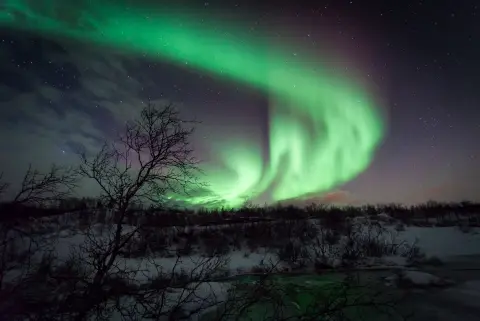
Practical advice
The northern lights are nearly overhead in the north of Norway, where it's milder than anywhere else so far up the globe.
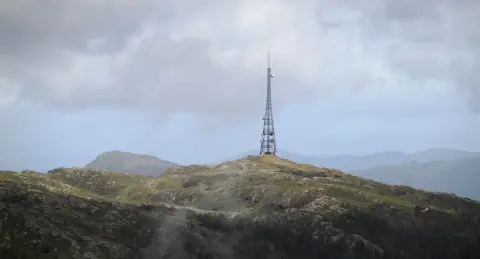
Practical advice
Coverage in Norway is among the best in the world.

Practical advice
The famous flat-topped cliff, 604 m above the Lysefjord, needs no ticket or permit.

Practical advice
Crime is low. What hurts visitors is nature: cold water, waves, ice and, above all, the mountains, which have a page of their own: Mountain safety.

Practical advice
Norway has the biggest glacier in mainland Europe, Jostedalsbreen, and hundreds of others.

Practical advice
North of the Arctic Circle the sun doesn't set in summer or rise in midwinter.

Practical advice
Everybody in Norway may walk, ski, swim and camp on open land, whoever owns it.

Practical advice
The Sami are the indigenous people of the north of Norway, Sweden, Finland and Russia's Kola.

Practical advice
Red cabins, sharp peaks and white beaches, and far more visitors than one road can hold.

Practical advice
You can see a fjord free from any road or ferry.

Practical advice
Oslo's best museums are in two clusters, at Bygdøy across the bay and by the Opera, with ferries, buses and trams between.

Practical advice
Svalbard is a group of Arctic islands halfway between Norway and the North Pole.

Practical advice
The North Cape is a 307 m cliff at 71 degrees north, on an island joined to the mainland by a tunnel.

Practical advice
There are two Norways to visit. From late May to mid-September it's light, green and open.
