
Mountain safety in Norway: the mountain code, what to carry, cliffs, avalanches and calling for help
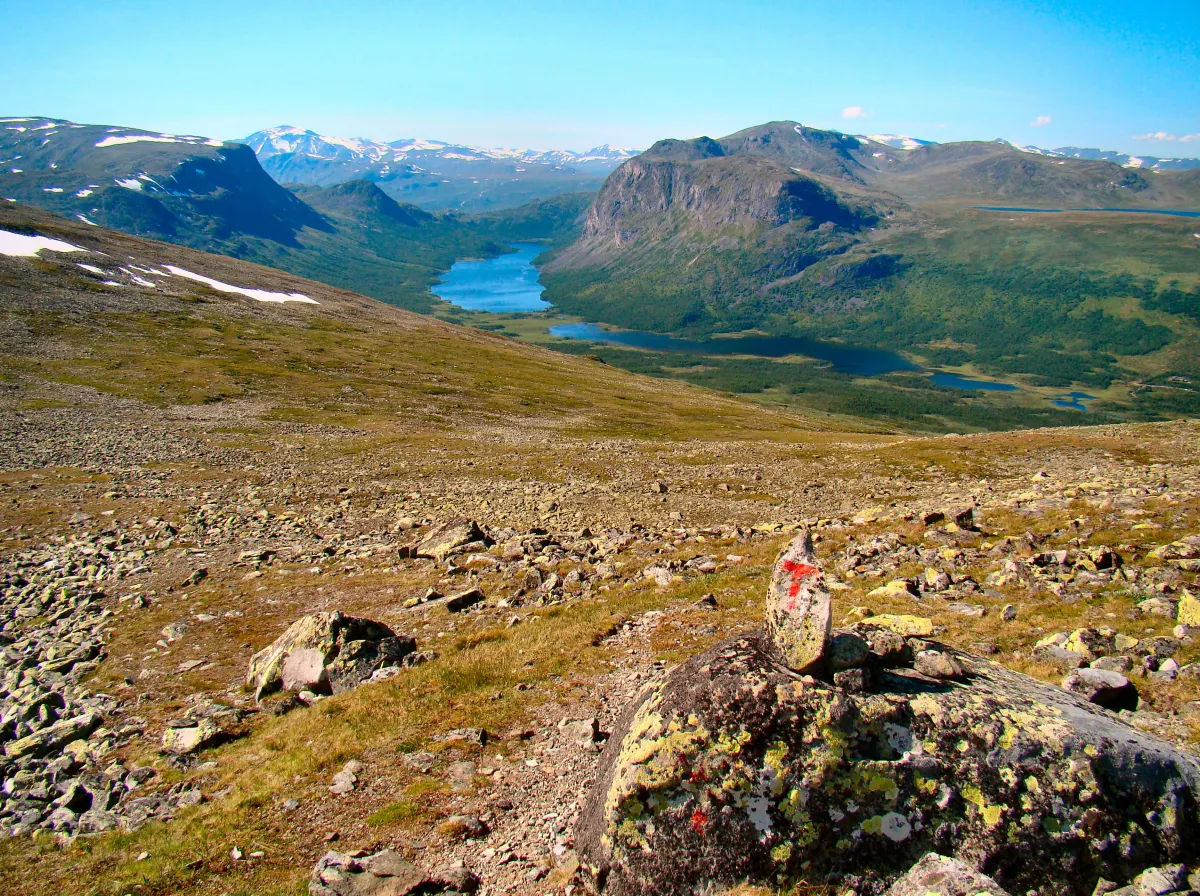
Norway's weather turns in half an hour, its cliffs have no railings, and snow lies on the trails into July. Norwegians turn back all the time, and are proud of it.
The mountain code
Every Norwegian learns the fjellvettreglene. In short:
- Plan, and tell someone where you're going.
- Fit the trip to the people and the conditions, not to your wishes.
- Look at the weather (Yr) and the avalanche warnings (Varsom).
- Be ready for bad weather and frost, even on a short walk in July.
- Carry what you need to help yourself and others. Know where you are.
- Turn back in time: there's no shame in it. Save your strength, and take shelter if you have to.
On the trail
- Wear walking boots, and carry wool, waterproofs, hat, gloves, food, water, a map, a head torch and a power bank. Trainers and jeans get people rescued.
- Preikestolen, Trolltunga and Kjerag have no railings. Keep back from the edge, in wind above all. Don't step on the Kjerag boulder or Trolltunga's tip when it's wet or icy.
- Out of season they have ice and snow. Go with a guide, or not at all: Trolltunga recommends one from 1 October to 31 May. It's 27 km there and back from Skjeggedal, 8 to 12 hours, and starting late is the classic mistake.
- The paths in Lofoten are short, very steep, and slippery after rain. Reinebringen's stairs are closed in winter, for ice and rockfall: in 2026 from 11 November.
- Stay off old snow that bridges a stream.
Avalanches
- From November to June, any slope steeper than 30 degrees, and the ground below it, can slide. Visitors die in the Lyngen Alps, around Tromsø, in Lofoten and in the fjords almost every winter. Two people were killed at Hemsedal at Easter 2026.
- Varsom gives a level from 1 to 5 for each region. At 3 and up, keep to gentle ground. Off the pistes everybody needs a transceiver, probe and shovel, and must know how to use them. Hire a certified guide.
- Snowshoes aren't safer than skis. Roads can be hit too: if one is closed, wait.
Rivers and landslides
- Rivers below glaciers and dams can rise suddenly. Look for signs.
- Landslides and floods follow heavy rain: look at Varsom before driving along the fjords.
Calling for help
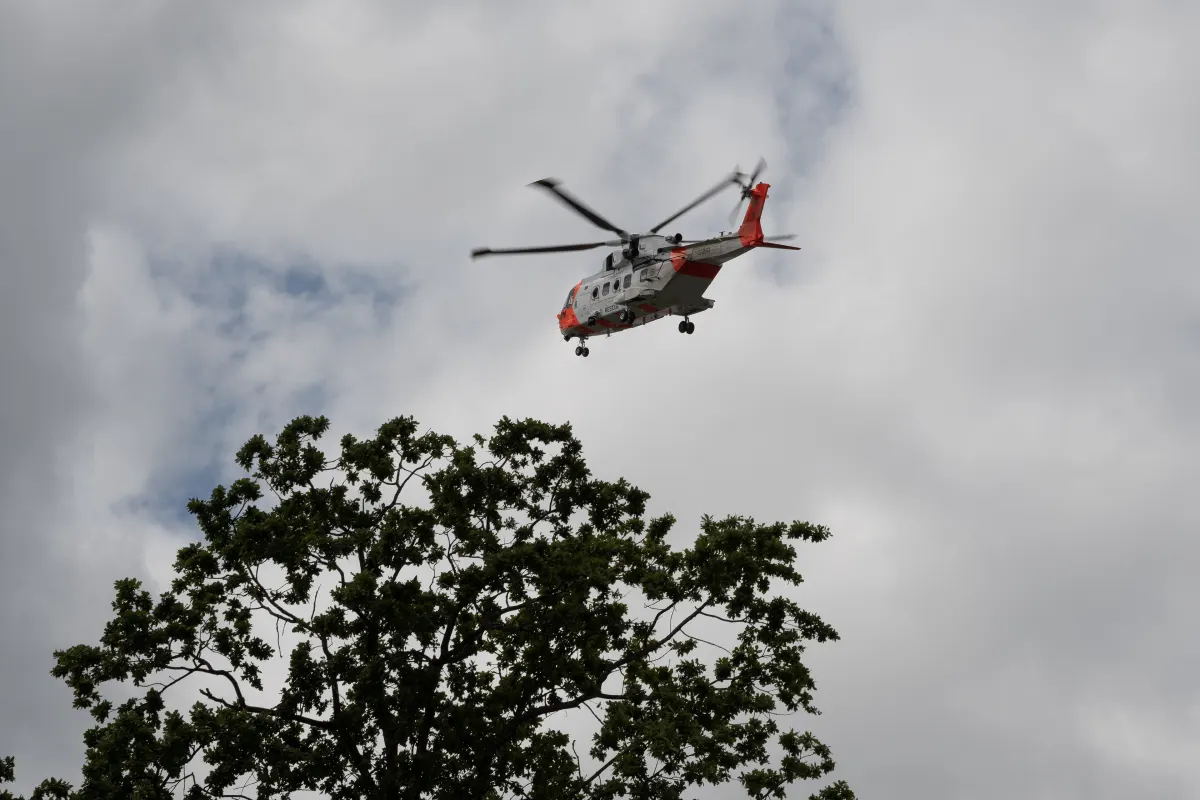
- In the mountains ring 112 or 113. The Hjelp 113 app sends your position. The police lead the search, with helicopters and Red Cross volunteers. Rescue on the mainland is normally free, but don't count on a quick one in bad weather. Transport home and treatment can cost a lot, so have insurance that covers mountains.
- No signal? Try 112 anyway: it uses any network. Higher ground helps. For remote trips, think about a satellite messenger. Newer phones can send an emergency message by satellite.

Walks and treks
Preikestolen (Pulpit Rock)
Strand, Rogaland
A flat-topped cliff jutting out 604 m above the Lysefjord, one of Norway's most famous viewpoints.

Walks and treks
Trolltunga
Ullensvang, Vestland
A spectacular rock ledge sticking out horizontally 700 m above Lake Ringedalsvatnet, one of the most famous photo spots in Norway.

Walks and treks
Kjerag and the Kjeragbolten boulder
Rogaland
Kjerag is a mountain plateau 1,000 m above the Lysefjord, and Kjeragbolten is the famous boulder wedged in a crack between two cliffs, where brave hi…
See also Mountain walks, Glaciers and Safety.



Comments