
Money in Norway: cards and cash, what things cost, tipping, tourist tax and tax-free shopping
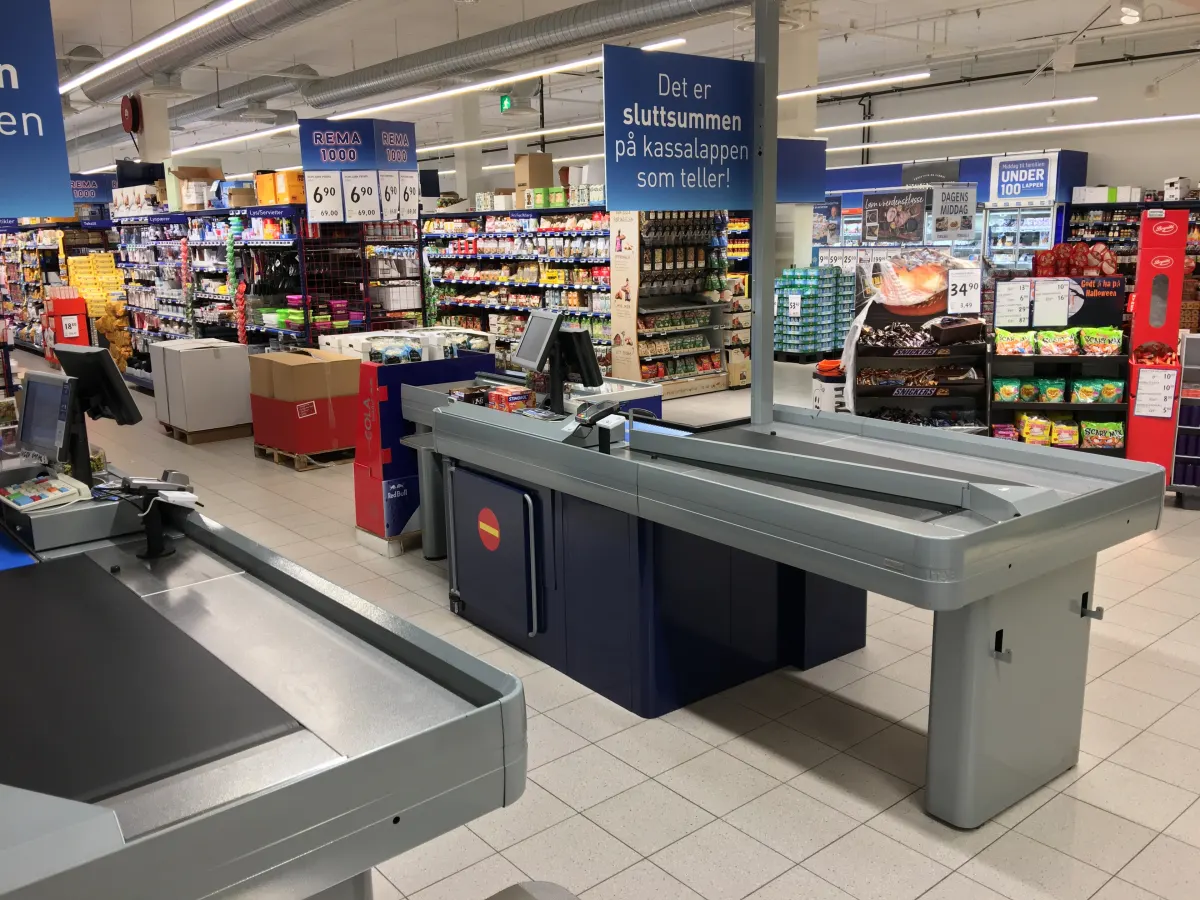
Norway uses the krone (NOK, plural kroner, written kr), not the euro. It's one of the dearest countries in Europe to eat and drink in, and nearly everybody pays by card. The scenery is free, and so is the camping: with a bit of planning it needn't ruin you.
Cards and cash
- Contactless Visa and Mastercard work almost everywhere, even for a coffee, a public toilet or a mountain cabin. American Express is less common. Many visitors never touch cash.
- By law, a staffed shop or restaurant must let you pay in cash (up to 20,000 kroner). It doesn't apply to machines, buses in some places, or unstaffed shops.
- Some small stalls and honesty boxes take only Vipps, a phone app. You need a Nordic bank account for it, so ask about a card, or pay with a few notes.
- Cash machines (minibank) are getting rare in villages. If asked, choose to pay in kroner, not your own currency.
- Have a PIN that works, and a second card. Hotels and car hire firms want a credit card.
What things cost
Rough prices in 2026:
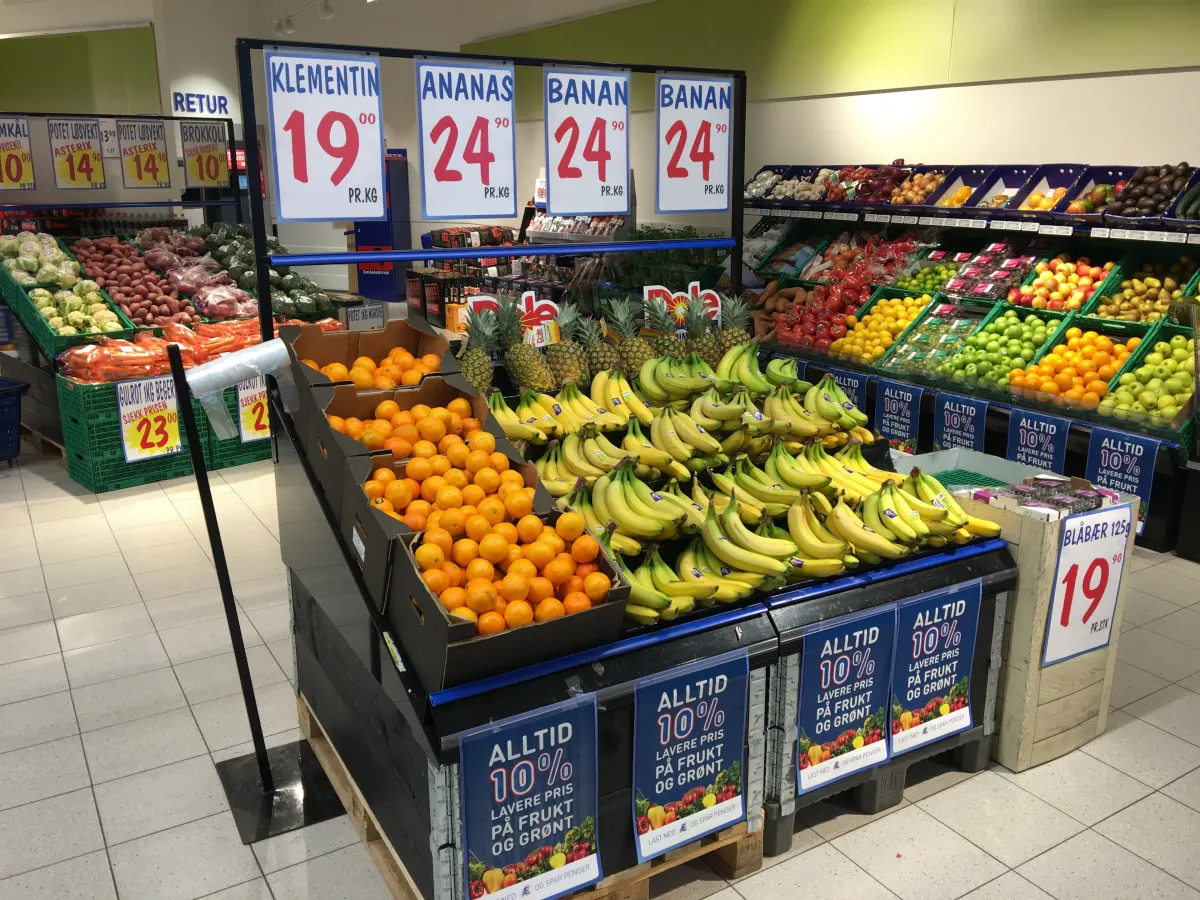
- Coffee 45 to 60 kroner. A hot dog (pølse) at a petrol station, the national snack, 40 to 60. A bakery sandwich 90 to 130.
- A main course in a plain restaurant 220 to 380. A half-litre of beer in a bar 100 to 140. A pizza to share, or the dish of the day (dagens) at lunch, is the best value.
- A hostel bed 350 to 600, a simple cabin on a campsite (hytte) 600 to 1,200, a double room 1,200 to 2,500. In July in Lofoten and Geiranger, and in winter in Tromsø, much more.
How to spend less
- Supermarkets (REMA 1000, Kiwi, Coop Extra) are your friend. So are kitchens: most cabins, hostels and rorbuer have one.
- Hotel breakfast is usually included, and vast. Don't make a packed lunch from it without asking. Some let you, for a price.
- Tap water is excellent, and free. Fill a bottle.
- Wild camping is free: see The right to roam.
- Museums in Oslo: the Oslo Pass pays for itself in a full day. The Vigeland Park, the roof of the Opera House and the islands in the fjord are free.
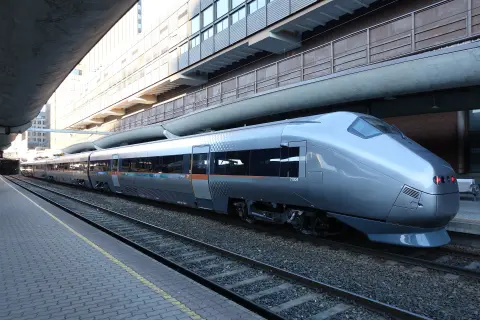
- Book trains weeks ahead, and travel in May, early June or September.
Sundays and holidays
Nearly all shops close on Sundays and public holidays, and over the whole of Easter (25 to 29 March in 2027, with only the Saturday open). Small food shops, petrol stations, kiosks and shops in tourist places may open. Restaurants and museums mostly do.
Tipping
It isn't expected. Staff are paid properly. In a restaurant with table service, people round up or leave 5 to 10% if they were pleased. The card machine often asks for the total with tip: type the same amount, or press OK. Nobody tips in a taxi, a bar or a café.
Bottle deposits
Cans and plastic bottles carry a deposit (pant) of 2 or 3 kroner. Put them in the machine in any supermarket, and press the button for a slip, or give it to the Red Cross lottery.
Tourist tax from 2027
- A law of 2026 lets places under pressure from visitors add a visitor contribution (besøksbidrag) of 3% to the price of a room, before VAT. It can't start before 1 January 2027.
- The first approved, in October 2026, were Tromsø, Vågan (Svolvær and Henningsvær, in Lofoten) and Stranda (Geiranger). Lyngen followed. The rest of Lofoten, Bodø and others have applied, and some hotels want it put off. Your hotel will tell you.
- A charge on cruise passengers is planned for 2027 too.
Tax-free shopping
- VAT is 25% (15% on food). Residents of countries other than Sweden, Denmark and Finland can get some of it back in shops with a Tax Free sign, from about 315 kroner in one shop (customs' own minimum is 250 before VAT). Expect 12 to 19%, after fees.
- Ask for the form, keep the goods unused, and leave with them within a month. Get the form stamped as you leave Norway. At airports the refund desk does it; by road, only at a manned crossing such as Svinesund.
See also Alcohol and Food and drink.

Vigeland Sculpture Park, Oslo
More than 200 sculptures in bronze, granite and iron by Gustav Vigeland, showing people of all ages in every stage of life, laid out in Frogner Park.

Oslo Opera House
A striking white marble and glass building that seems to rise out of the Oslofjord, home of the Norwegian National Opera and Ballet, opened in 2008.
Comments