
The right to roam in Norway (allemannsretten): walking, wild camping, picking, fishing, fires and local bans
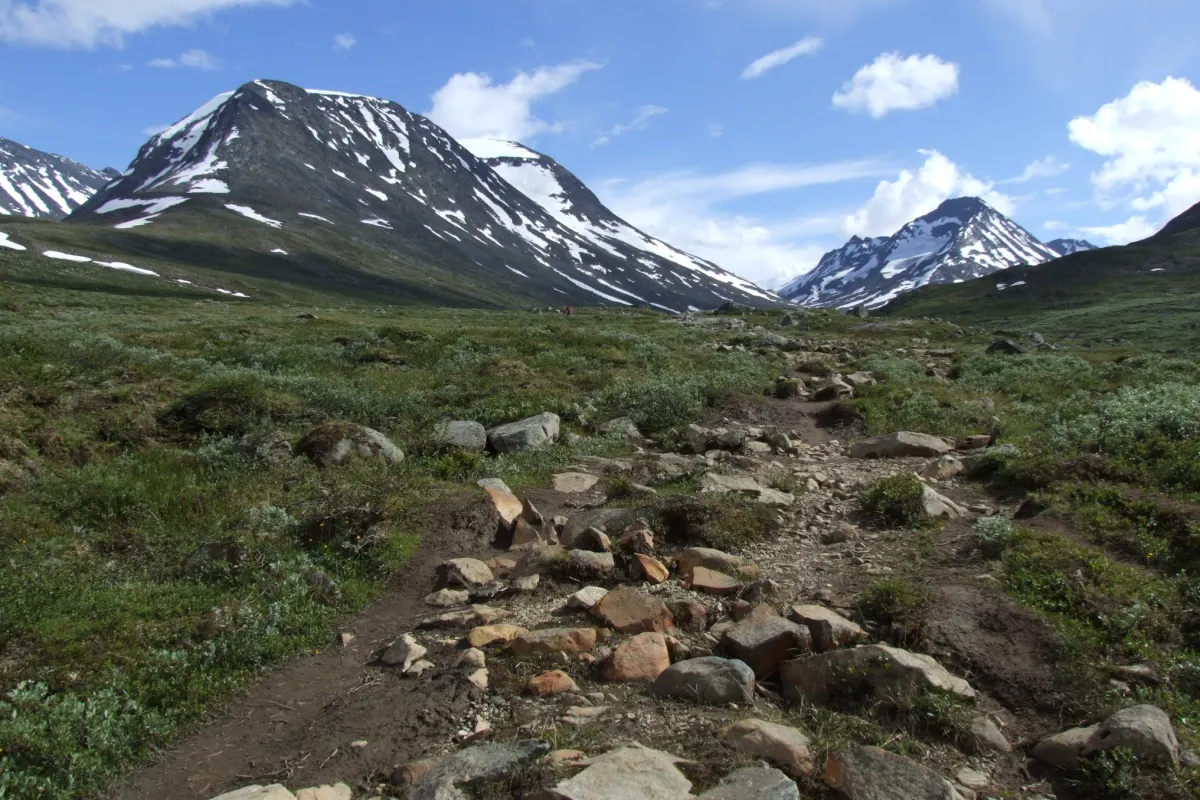
Everybody in Norway may walk, ski, swim and camp on open land, whoever owns it. It's called allemannsretten, the right to roam, and it's the law. It depends on people behaving well, and busy places now have rules of their own. For huts and marked paths, see Mountain cabins and trails.
What you may do
- The right applies to utmark: forest, mountain, moor, shore and lakes. It doesn't cover innmark: fields, meadows, gardens, yards and the ground near houses. You may walk over fields only when they're frozen or snow-covered, from 15 October to 29 April.
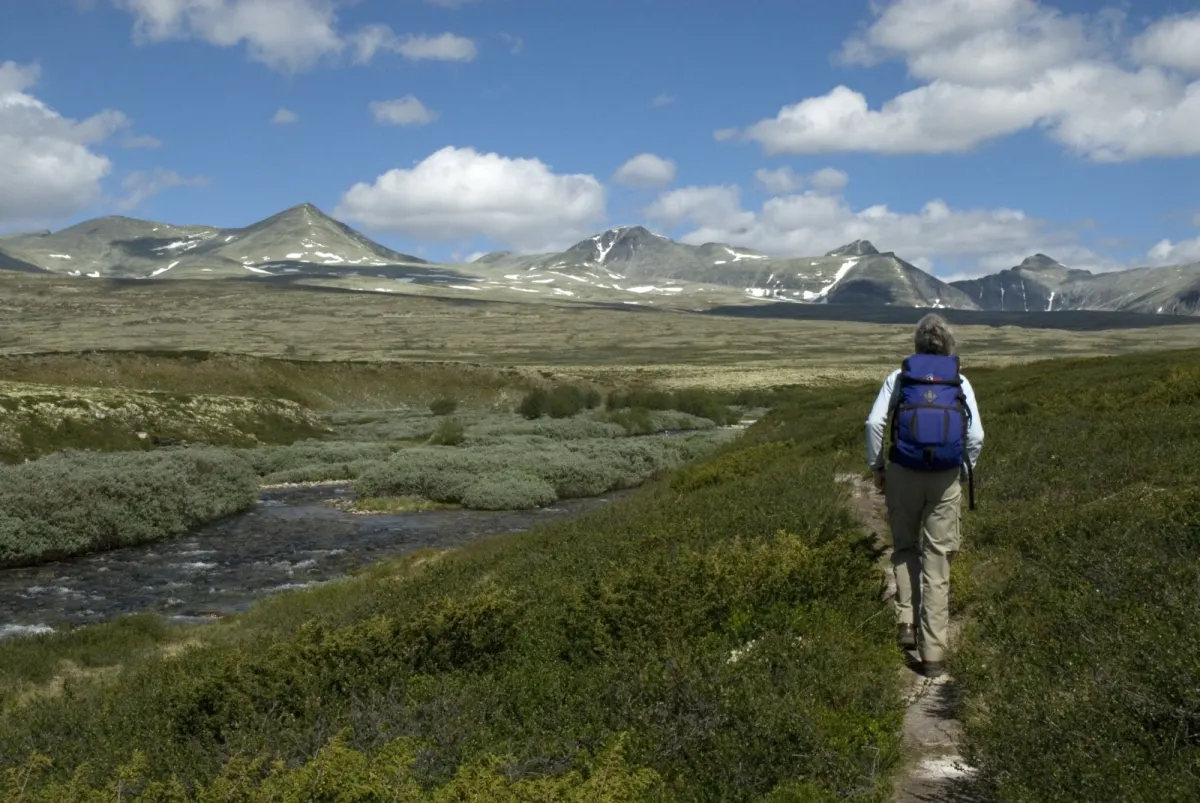
- You may walk and ski anywhere on open land, and cycle on paths and tracks there, and anywhere in the high mountains. Electric bikes aren't covered by the right: an owner can say no.
- You may swim, and land a boat or kayak for a while, away from houses. You may pick berries, flowers and mushrooms: see below.
- You may not drive off the road: no cars, vans or snowmobiles on open land without permission.
Camping
- Pitch at least 150 metres from the nearest house or cabin. It doesn't matter whether anyone's in.
- Stay no more than two nights in one place without asking the owner, except in the high mountains and far from people.
- Take everything away, and leave no trace. Bury waste well away from water and paths, and carry out the paper. Use a toilet when there is one.
- The right is for tents and hammocks. A van on a road or car park follows the parking signs.
Where it's banned or restricted
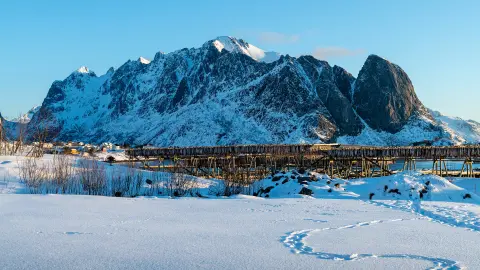
- Lofoten: no tents at Haukland at any time of year. From 1 May to 1 October, none around Reine and Reinebringen, at several other places in Moskenes, or at Kalle and Rørvika near Svolvær. Some other beaches allow it only for a fee. The local map shows it: ask at the tourist office, and expect to be moved.
- Signs at Trolltunga and other famous places, and rules in national parks and nature reserves, come first. Some shut bird islands from April to July.
- Towns and beaches near Oslo often have bans too. The forest around the city, Marka, is free to camp in, apart from near drinking-water lakes.
Picking and fishing
- Anyone may pick berries and mushrooms on open land. In Nordland, Troms and Finnmark, cloudberries on private land can be reserved for the owner, though you may eat them on the spot. Have mushrooms checked by the Norwegian mycologists' stands on autumn Sundays.
- Sea fishing with a rod is free. Lakes and rivers need a permit (fiskekort). There are minimum sizes, and bans on some fish, such as eel and, in the south, coastal cod at some times: check fiskeridir.no.
- Taking fish home: only visitors aged 12 or over who fish with a registered tourist fishing business may, and they need its document. The limit falls from 15 kg to 10 kg on 1 January 2027, twice a year. More is seized.
Fires
- From 15 April to 15 September, open fires, barbecues and camping stoves aren't allowed in or near forest and open land, unless it's plain that nothing can catch, for instance on snow or at a prepared fireplace by the sea. In a drought even that is banned. Look for totalforbud.
- Don't light a fire straight on the rock. It cracks it for ever.
Animals, dogs and drones
- Dogs must be on a lead from 1 April to 20 August, and all year in many places, to protect sheep, birds and reindeer.
- Musk oxen in Dovrefjell can charge. Stay 200 metres away, or go with a guide. Keep well away from wild reindeer in Rondane and Hardangervidda: they need peace more than you need a photo.
- Drones: register in Norway or an EU country, have insurance, and stay clear of airports, people, national parks and birds. Many places ban them.
Parks to know
There are more than 40 national parks, with no gates and no fees. Jotunheimen is the highest, Rondane the gentlest, Jostedalsbreen and Folgefonna have the glaciers, and Lofotodden the sea.

Jotunheimen and the Besseggen Ridge
Jotunheimen, 'home of the giants', is Norway's great mountain national park, with the country's highest peaks, including Galdhøpiggen (2,469 m).
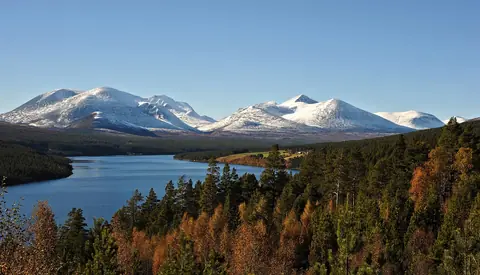
Rondane National Park
Norway's first national park, created in 1962, with rounded peaks over 2,000 m, lichen-covered plateaus and the last herds of wild reindeer in Europe.
Jostedalsbreen National Park
Mainland Europe's largest glacier, with arms such as Nigardsbreen and Briksdalsbreen reaching down into green valleys.
See also Mountain cabins and trails and Mountain safety.
Comments