
Phones and the internet in Norway: roaming, SIM cards, coverage and useful apps
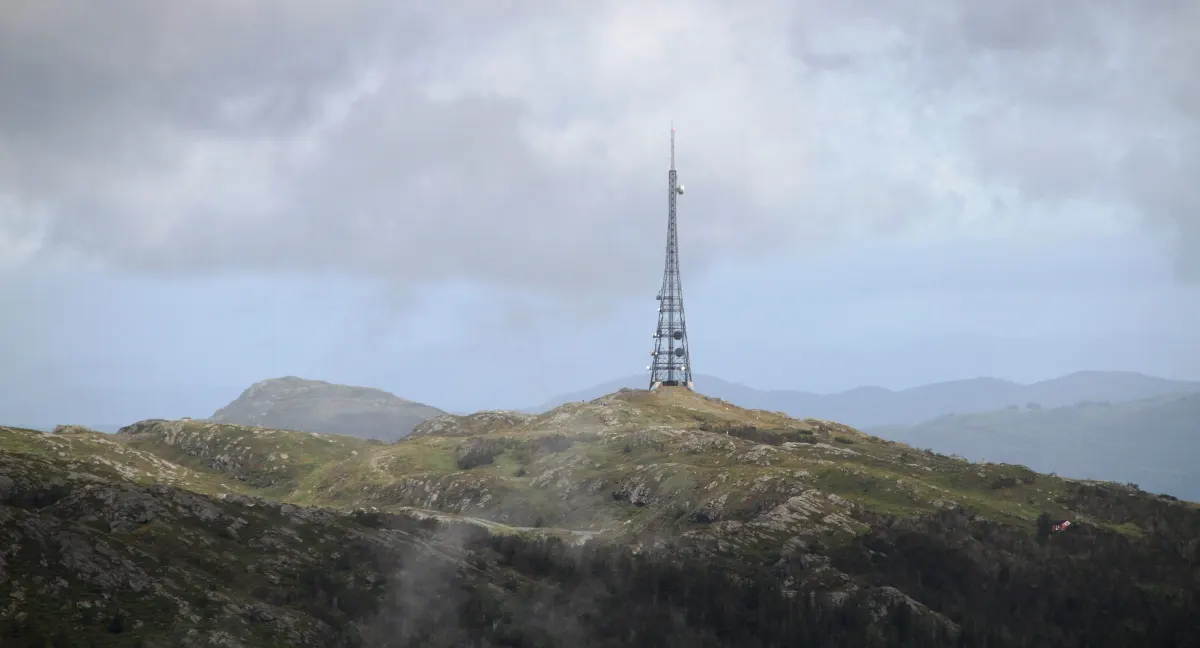
Coverage in Norway is among the best in the world. Even so, there are valleys, fjords and mountains with nothing at all, and a battery dies fast in the cold. Don't make a phone your only map.
Roaming
- With a SIM from an EU or EEA country you roam as at home, within fair use limits.
- UK networks differ: some include Norway, some charge by the day. Norway isn't in the EU, so check that it's on your list of countries. The same goes for Swiss plans.
- From the USA, Canada, Australia and elsewhere, a travel eSIM for Norway or Europe is usually much cheaper than a day pass.
- Ships: turn off roaming at sea. Ferries and the coastal ships near land usually get the normal network, but a ship's own satellite network costs a fortune.
- Svalbard has Norwegian networks in Longyearbyen, and nothing beyond it.
A Norwegian SIM
- Telenor and Telia have the widest coverage, then Ice. Prepaid cards are sold in their shops, and in some kiosks and supermarkets.
- The law requires registration with ID. Some sellers can do it only for people with a Norwegian identity number, so take your passport to a phone shop. For a short stay an eSIM is simpler.
Numbers
- The country code is +47. Norwegian numbers have eight digits and no area code.
- Emergencies: 113 ambulance, 112 police, 110 fire. In the mountains, ring 112 or 113. At sea, 120.
- 116 117: a doctor when it isn't life-threatening. 02800: police, not urgent.
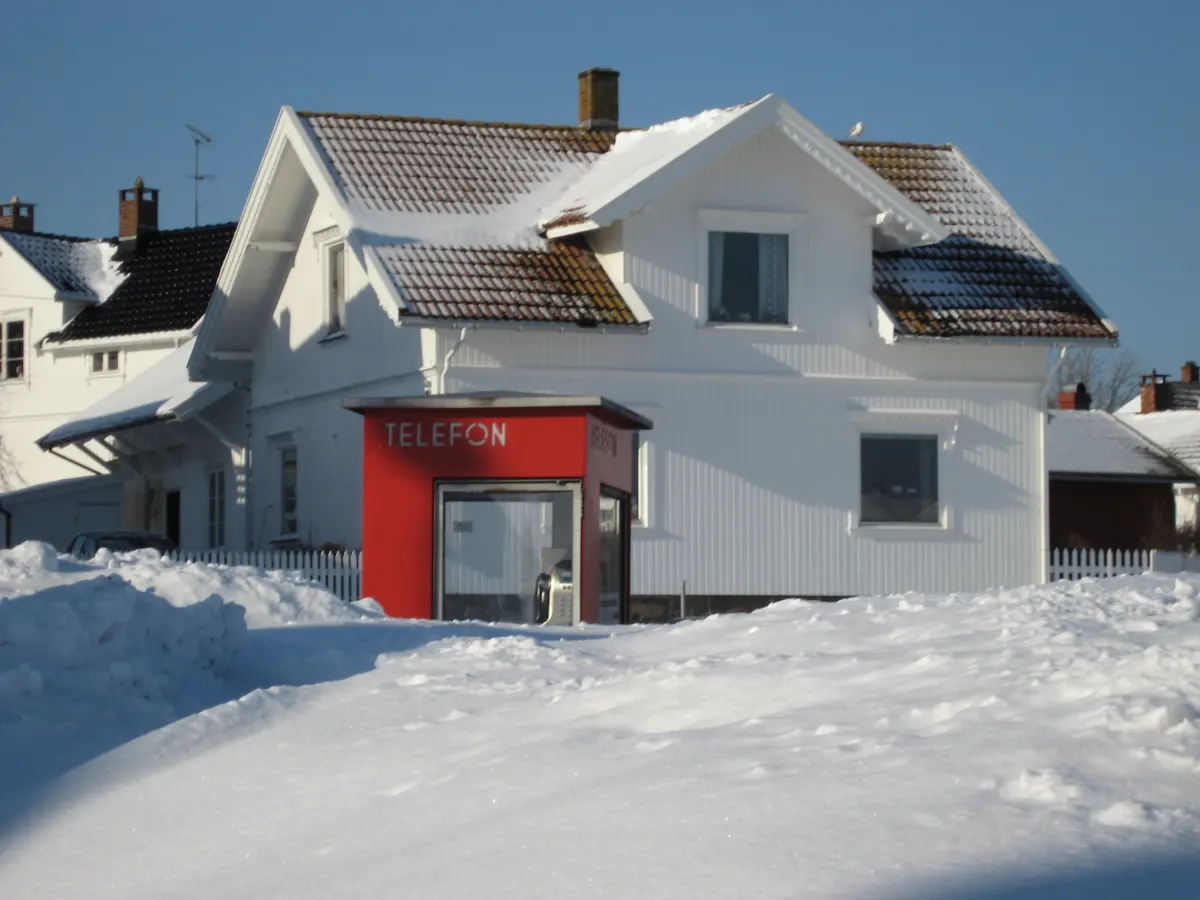
Apps worth having
- Entur: trains, buses and boats all over the country. Vy and the local bus app for tickets.
- Yr: the weather, from the national service. It's the one everybody uses.
- Hjelp 113: calls for help and sends your position. Install it before you go walking.
- Varsom: avalanche, flood and landslide warnings. Vegvesen trafikk: closed roads.
- UT.no: trails and cabins from the Trekking Association, with maps you can save. Norgeskart: the official map.
- EasyPark for parking, FerryPay for ferries, Norwegian Customs for allowances.
In the mountains
- Save maps offline, and carry a paper one with a compass on a long walk.
- Carry a power bank, and keep the phone in an inside pocket in winter.
- No signal? Try 112 anyway: it uses any network. Higher ground helps. For remote trips, think about a satellite messenger. Newer phones can send an emergency message by satellite.
Wi-Fi and plugs
- Trains, buses, cafés, hotels and most campsites have free Wi-Fi.
- Plugs are the European kind with two round pins (C and F), 230 V.
- Norway is on Central European Time, the same as Paris and Berlin. So is Svalbard.
See also Mountain safety.

Comments