
Culture and etiquette in Norway: manners, being invited, 17 May and languages
Norwegians are friendly, informal and not talkative. Nobody will sit next to you on a bus if there's another seat, and nobody minds if you do the same. On a mountain path it's the other way round: everybody says hello.
Everyday manners
- First names for everyone, including bosses and doctors. There's hardly a word for "please". Takk (thanks) does most of the work, and tusen takk is a thousand of them.
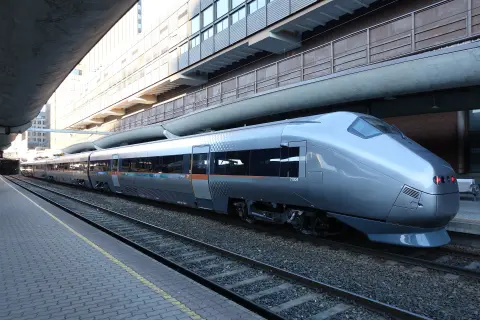
- Keep your distance, and don't talk loudly on trains. Small talk with strangers is rare in town. In a cabin, on skis or on a walk it's normal.
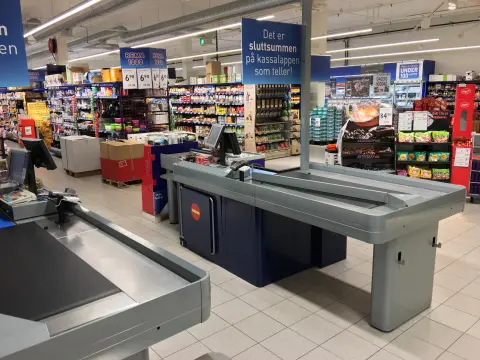
- Nobody is supposed to think they're better than anyone else. Boasting about money goes down badly. So does jumping a queue: look for a ticket machine (kølapp) in pharmacies and bakeries.
- Be on time, to the minute, for meals as well as meetings.
- Take your shoes off in people's homes, and in cabins and many hostels. Bring thick socks.
- If you're invited, bring flowers or chocolate. After the meal, say takk for maten (thanks for the food), and when you next meet, takk for sist (thanks for last time).
- Sundays are quiet: people are out walking or skiing. No noisy work.
- Smoking is banned inside, and at station platforms and many bus stops. You must be 18 to buy tobacco.
Languages
- Nearly everybody speaks excellent English. Hei (hello) and ha det (goodbye) are still welcome.
- There are two written kinds of Norwegian, bokmål and nynorsk, and dozens of dialects. Place names come in two or three spellings, and in the north in Sami and Kven too: Tromsø is also Romsa.
- Swedes, Danes and Norwegians understand each other, more or less.
17 May
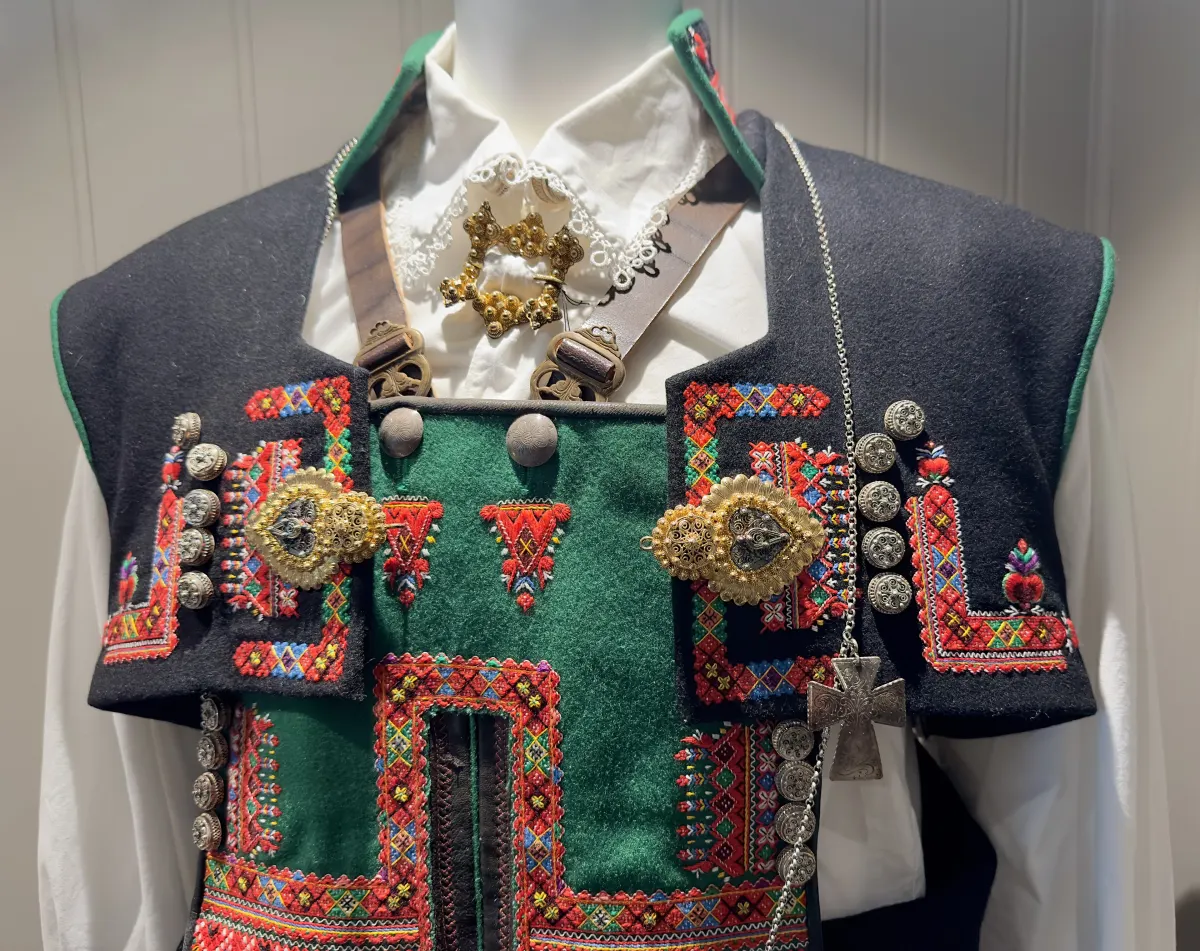
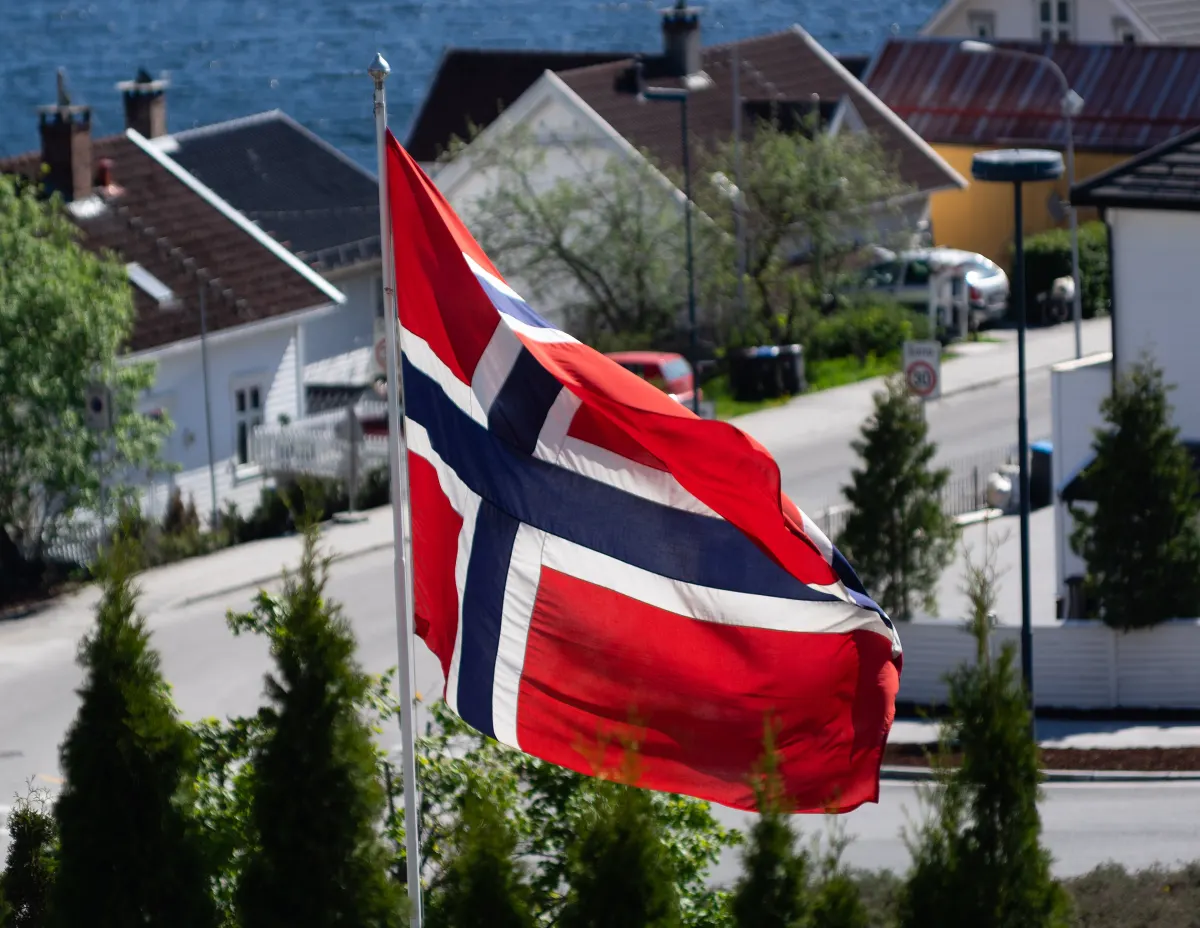
Constitution Day is the great day of the year: children's parades, brass bands, ice cream, and people in bunad, the embroidered costumes of their home valleys. Dress up a little, wave, say gratulerer med dagen, and watch. In Oslo the parade passes the palace. Almost everything is shut, and tables and rooms are booked long before. In 2027 it's a Monday, and Whit Monday too. Bunads are family heirlooms, so ask before you take a close-up.
Other things to know
- Most people belong to the Church of Norway and few go. Nobody minds if you don't. Stave churches are still parish churches: some close for weddings and funerals.
- Norway was occupied by Germany from 1940 to 1945, and Finnmark was burnt as the army left. The resistance museums in Oslo and Narvik are worth a visit. The memorial to the attacks of 22 July 2011 in Oslo is treated quietly.
- Oil pays for a good deal. People are happy to talk about it, and about taxes, which are public.
- Norway is among the safest and most open countries for LGBT travellers. Oslo Pride is in June. There was a deadly attack on a gay bar in 2022, and police are visible at events.
- Saunas float in most harbours now. Book a place, wear a swimsuit unless it says otherwise, and go down the ladder slowly: the cold takes your breath away.
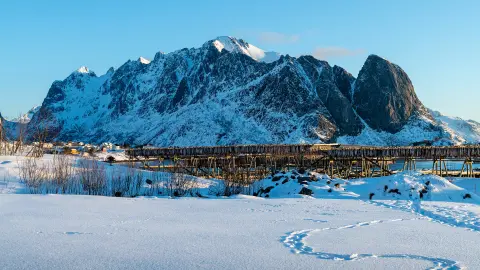
- Photographing children who aren't yours, or people through windows, is out of order. Villages in Lofoten are full of people's homes, not film sets.
See also The Sami and The right to roam.
Comments