
Health in Norway: insurance, doctors and pharmacies, medicines, ticks, midges, sun and cold
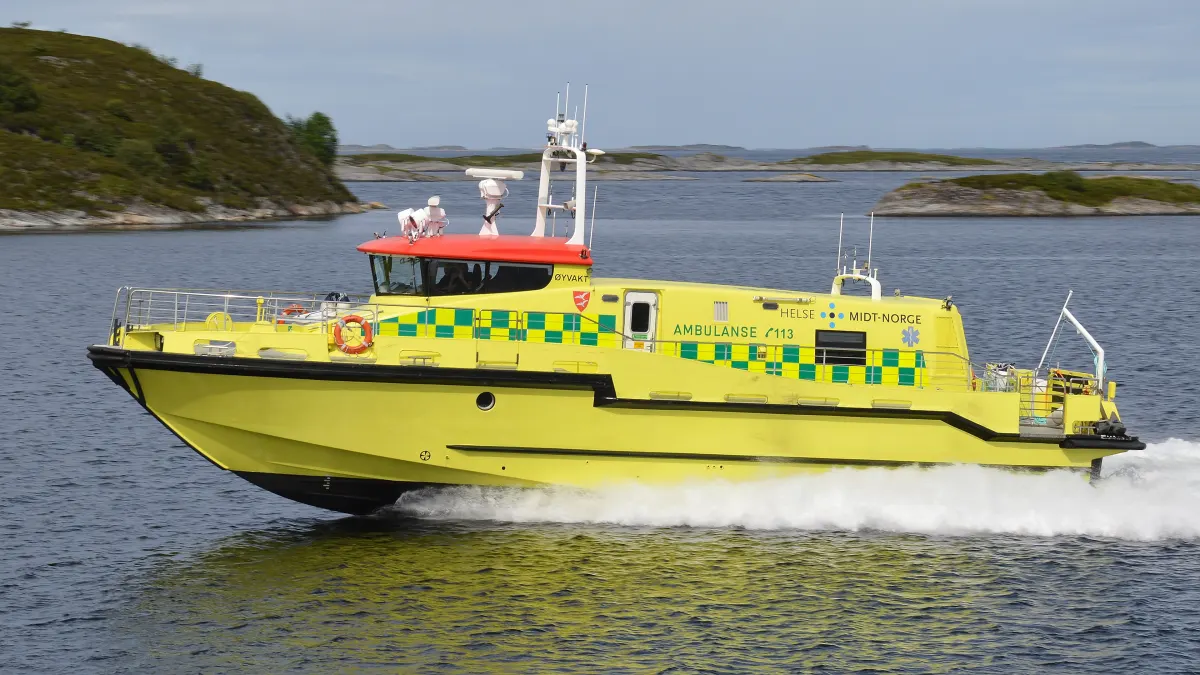
Care is excellent, water is clean, and there's little to catch. What you need is insurance, because visitors from most countries pay the full price, and help can be far away.
Who pays
- EU, EEA and Swiss citizens: bring a European Health Insurance Card (EHIC). You pay the same share as locals, a few hundred kroner for a doctor.
- UK: a GHIC, EHIC or UK passport gets necessary state care in hospital. Some doctors charge. It doesn't cover getting you home.
- Australia: residents are covered for urgent treatment. Show your passport or Medicare card.
- Everybody else pays. Anyone gets urgent care, but the bill follows. A helicopter home, or a few days in hospital, can cost as much as a house. Take out insurance that covers what you'll do, such as skiing, glaciers or boats.
- Svalbard has a small hospital, and serious cases are flown to Tromsø. Insurance is a must.
Seeing a doctor
- 113 if it's life-threatening. Otherwise ring 116 117, day or night, for the out-of-hours clinic (legevakt). Ring before you go.
- Hospitals' emergency departments take people sent by a doctor or ambulance, so start with the legevakt.
- Private clinics in the cities, such as Dr.Dropin and Volvat, see visitors on the day. A GP visit was about 800 kroner and up in 2026.
- Dentists are private and dear. In pain, look for tannlegevakt.
Pharmacies
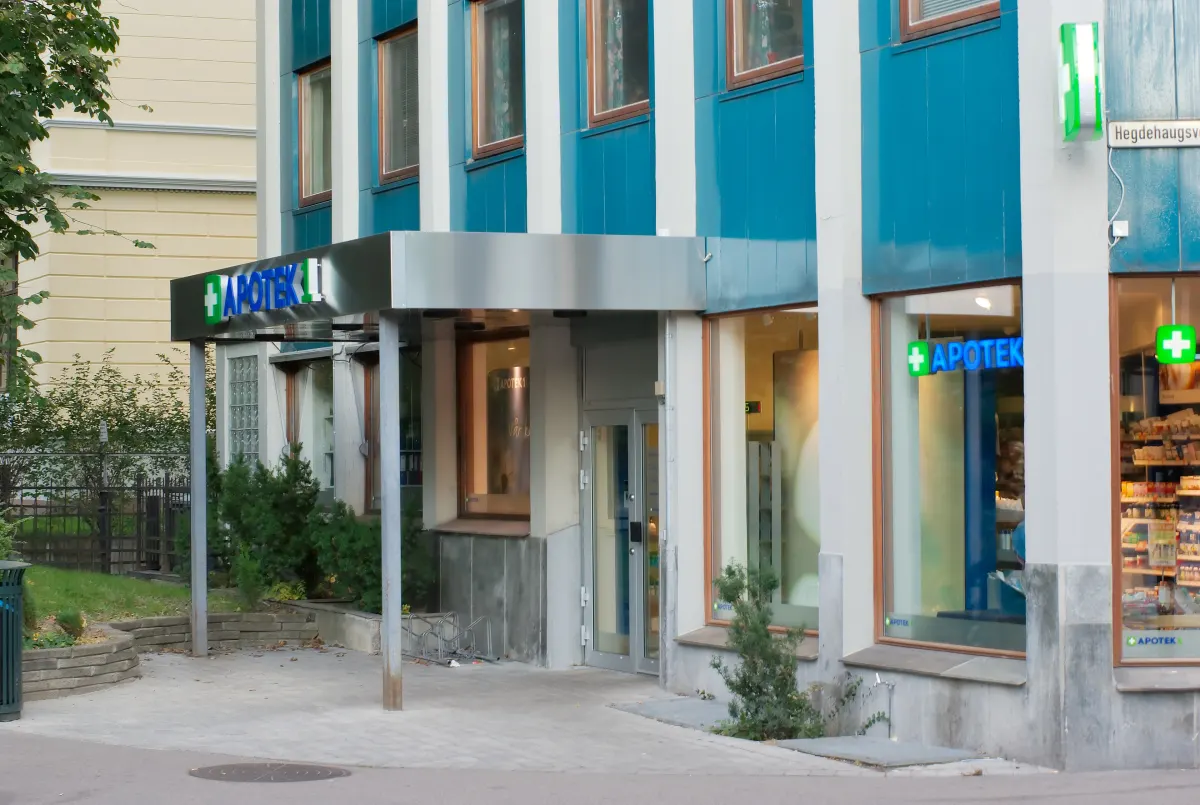
- An apotek (Apotek 1, Vitusapotek, Boots) is in every town, usually open to 6 or 8 pm, and shorter or not at all on Sundays. Oslo, Bergen and other cities have one open late.
- Paracetamol and ibuprofen in small packs, nose spray and antihistamines are sold in supermarkets and petrol stations too, to over-18s.
- Antibiotics and strong painkillers need a prescription. EEA prescriptions work, others usually don't.
Bringing medicines
- Bring them in their packaging, with the prescription, and only for your own use. From outside the EEA, no more than you need for the stay, up to about three months.
- Strong painkillers, sleeping pills, tranquillisers and ADHD medicines have tighter limits, and you may need a certificate. Check with the Norwegian Medical Products Agency (DMP) before you travel. Medical cannabis needs papers.
Ticks
- Ticks live along the coast from the Swedish border as far as Nordland, from April to November, in grass and bushes. They can carry Lyme disease anywhere.
- Tick-borne encephalitis (TBE) is in the south: most cases are in Telemark, Vestfold, Agder, Østfold and Akershus. There were about 96 in 2025, against a record 113 in 2023. There's a vaccine: think about it if you'll camp there for weeks.
- Long trousers, repellent, and a look all over each evening. Pull a tick straight out with tweezers. See a doctor about a spreading red ring, or fever.
Midges and mosquitoes
They carry nothing here, but inland Finnmark and the high moors have clouds of them from late June to early August. Wind keeps them off: camp high or by the sea, and bring a head net and repellent. Tiny knott get through ordinary mesh.
Light, sun and sleep
- Under the midnight sun, take an eye mask and go to bed by the clock. Rooms don't all have dark blinds.
- You can burn in June at 10 degrees. On snow at Easter you will: sunscreen and dark glasses, and goggles on a glacier.
- In the polar night, the dark can bring your mood down after a week or so. Go out at midday.
Water, food and other things
- Tap water is as good as any. High mountain streams are generally drunk untreated, though not below farms, huts or grazing sheep.
- Don't eat wild shellfish without looking at the Food Safety Authority's warnings.
- Flu and colds go round from November to March. Make sure your measles jab is up to date.
- Foxes on Svalbard can carry rabies. Don't touch any animal there, alive or dead.
- Hypothermia: shivering, clumsiness, then confusion. Get out of the wind, into dry clothes, and ring for help.
See also Safety.



Comments