
Practical advice
A week is enough to get a real taste of the Mongolian steppe without the long drives to the Gobi: the old capital at Kharkhorin, the Orkhon Valley, a…

Practical advice
Many visitors can enter Mongolia without a visa for a holiday of up to 30 or 90 days, depending on their passport.
Practical advice
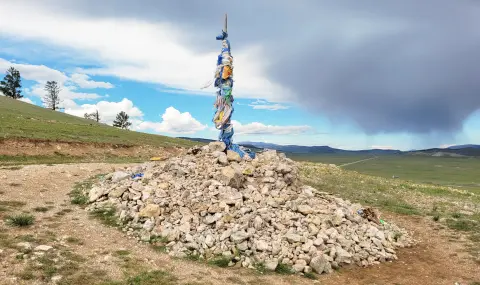
Mongolians are proud of their nomadic heritage, their history and Chinggis Khaan, and many follow Tibetan Buddhism alongside older beliefs about the …

Practical advice
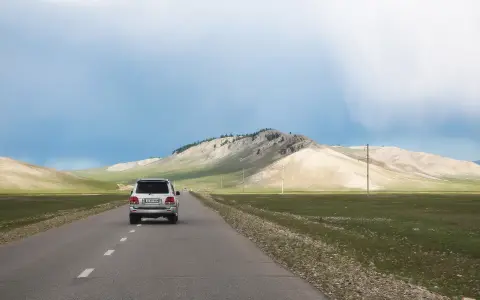
Mongolia is huge, empty and mostly roadless, so travel takes time.

Practical advice
Medical care in Mongolia is limited, and in the countryside you may be many hours from the nearest proper hospital.
Practical advice
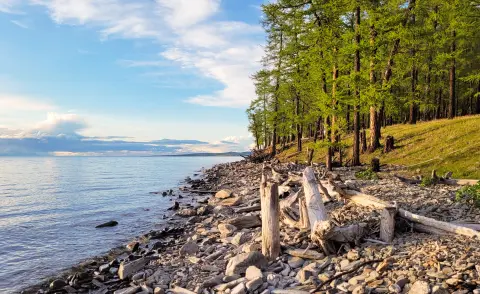
Khövsgöl Lake, near the Russian border, is Mongolia's deepest lake and one of the purest in the world, surrounded by larch forest, mountains and the …
Practical advice
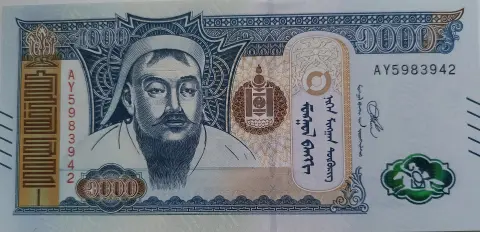
Mongolia's currency is the tögrög (also written tugrik, MNT, ₮).
Practical advice
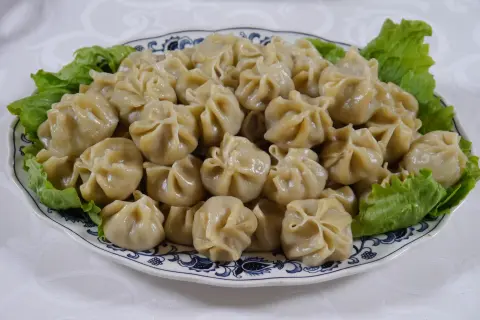
Mongolian food comes from the herding life: lots of meat (mostly mutton, also beef, goat and horse), dairy, flour and fat, to get people through the …
Practical advice
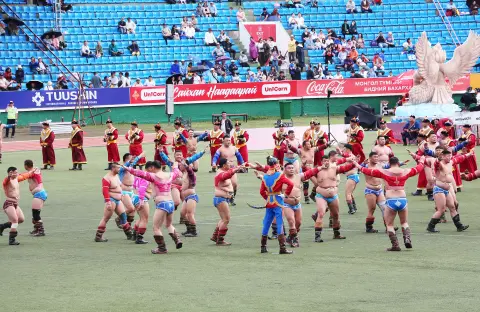
Mongolia's festivals are a great reason to time a trip, especially Naadam in July.
Practical advice
You'll have fast mobile internet in Ulaanbaatar and most towns, but large parts of the Mongolian countryside have no signal at all.
Practical advice
Mongolia is generally a safe and friendly country to visit, and violent crime against visitors is rare.
Practical advice
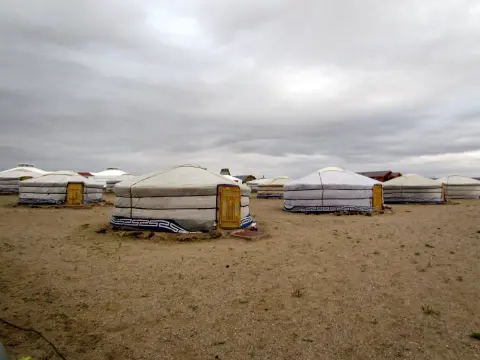
Sleeping in a ger, the round felt tent of Mongolia's herders (called a yurt in Russian and Turkic languages), is one of the best parts of a trip.
Practical advice
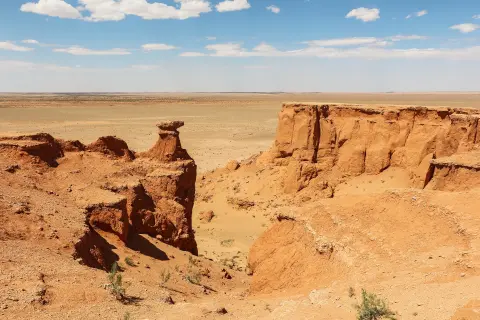
Two weeks lets you make the classic loop from Ulaanbaatar south through the Gobi Desert and back through the green Orkhon Valley and Kharkhorin.

Practical advice
Mongolia has a continental climate of extremes: short, warm summers and long, bitterly cold winters, with big differences between day and night.
