
Health and insurance in Mongolia: remote medical care, evacuation, rabies, plague, ticks, water and air pollution
Medical care in Mongolia is limited, and in the countryside you may be many hours from the nearest proper hospital. Travel insurance with medical evacuation is essential, and a few precautions prevent most problems.
Before you go
- See a travel health clinic about six to eight weeks before you travel. The usual advice is to be up to date with routine vaccines, including measles, and to consider hepatitis A and hepatitis B, rabies (especially for rural trips and horse riding) and, for forested areas in the north, tick-borne encephalitis. See TravelHealthPro or the CDC.
- Bring all the medicines you need, with prescriptions, and a first-aid kit. Pharmacies in Mongolia sell mainly Chinese and Russian brands, which you may not recognise.
Insurance and evacuation
- Your insurance should cover medical treatment, medical evacuation (from the countryside to Ulaanbaatar, and from Mongolia to another country) and repatriation, and any horse riding, trekking or other activities you plan.
- For serious illness or injury, you will probably need evacuation to another country, which is very expensive.
- Hospitals may ask you to pay most of the cost of treatment in advance (the UK government says 80%), so carry a credit card and your insurer's emergency number.
Medical care
- A few hospitals and clinics in Ulaanbaatar are suitable for foreigners, with some English-speaking staff. Your embassy's website may list them.
- Outside the city, care is basic: provincial hospitals have limited equipment, and doctors rarely speak English.
- Ambulance: call 103. In the countryside, your driver may be quicker.
Rabies and dogs
- Rabies is common in Mongolia, in dogs, wolves, foxes and other animals. Keep away from dogs, and don't touch wild animals.
- If you're bitten or scratched, wash the wound with soap and running water for 15 minutes and get medical help the same day. Treatment after a bite may be hard to get outside Ulaanbaatar, which is one reason to get vaccinated before you go.
Plague and marmots
- Bubonic plague is carried by marmots and their fleas in much of Mongolia, and there are human cases most summers, usually in people who have hunted or eaten marmots. In 2026 there were cases in the west, and quarantines that closed roads.
- Don't eat or touch marmots or other rodents, dead or alive, and avoid their burrows. Use insect repellent.
- If you get a sudden fever with swollen glands after visiting the countryside, get medical help at once and say where you've been: plague is treatable with antibiotics if caught early.
- Quarantined areas can be closed at short notice; your tour company will know.
Ticks and insects
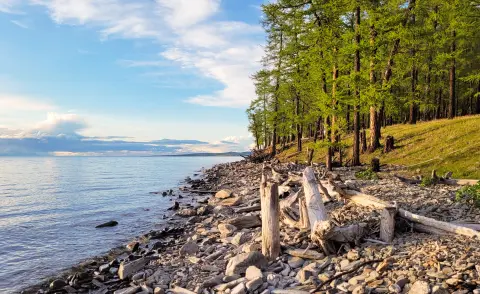
- Ticks in the forests and grasslands of the north, such as around Khövsgöl Lake and Terelj, can carry tick-borne encephalitis and other diseases, mainly from spring to autumn. Wear long sleeves and trousers, use repellent and check for ticks every day.
- Mosquitoes can be fierce near lakes and rivers in summer, but there's no malaria.
Food and water
- Drink bottled, boiled or filtered water, and wash your hands before eating. Unpasteurised dairy foods carry a risk of brucellosis. See Food and drink.
- Bring rehydration salts and something for diarrhoea.
Cold, sun and altitude
- Winter temperatures can fall below -30°C: frostbite and hypothermia are real risks. See When to go.
- The sun is strong in summer, on the steppe and in the Gobi: bring a hat, sunglasses and sun cream, and drink plenty of water.
- Much of Mongolia is high (Ulaanbaatar is at about 1,350 m), and parts of the Altai mountains in the west are high enough for altitude sickness.
Air pollution in Ulaanbaatar
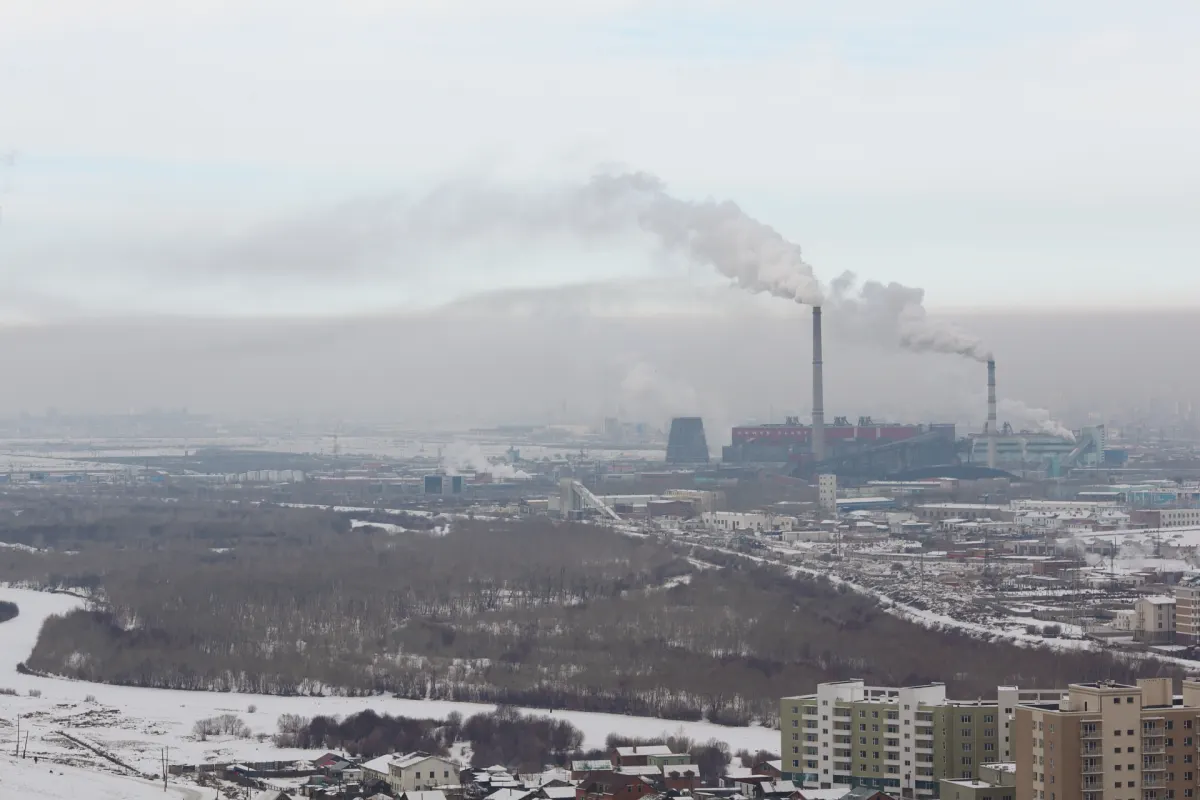
- In winter, smoke from coal stoves in the ger districts makes Ulaanbaatar's air among the most polluted of any capital, especially in the mornings and evenings. It can aggravate asthma and heart and lung conditions.
- Check air quality on an app, limit time outdoors on bad days, and consider a well-fitting mask (N95 or FFP2). If you have breathing problems, ask your doctor before a winter trip.


Comments
No comments yet.