
Culture and etiquette in Mongolia: greetings, monasteries, ovoo cairns, Chinggis Khaan and photos
Mongolians are proud of their nomadic heritage, their history and Chinggis Khaan, and many follow Tibetan Buddhism alongside older beliefs about the sky, mountains and water. A little respect for these goes a long way. For behaving inside a herder's ger, see Staying in gers and with nomad families.
Greetings and manners
- "Sain baina uu" (hello, "are you well?") and "bayarlalaa" (thank you) are worth learning. In the countryside, people often ask after your animals and your journey.
- Give and receive things, especially food, drink and money, with your right hand, or both hands, with the left hand touching the right elbow or forearm.
- If you accidentally kick or step on someone's foot, shake their hand straight away.
- Don't point at people with one finger, or with your feet.
- Mongolians are often direct and may not say "please" or smile at strangers; it isn't rude. Russian is widely understood among older people; English mainly among young people in Ulaanbaatar.
Monasteries and temples
Most Mongolian monasteries were destroyed in the communist purges of the 1930s; some, such as Gandan in Ulaanbaatar and Erdene Zuu in Kharkhorin, survived or were rebuilt, and Buddhism has revived since 1990.
- Walk clockwise around temples, stupas and prayer wheels, and spin prayer wheels clockwise.
- Dress modestly, with shoulders and knees covered, speak quietly, and don't touch statues, sacred objects or monks' things.
- Ask before photographing inside temples: some charge a fee, and some don't allow photos. Don't photograph people at prayer without asking.

Historic sites
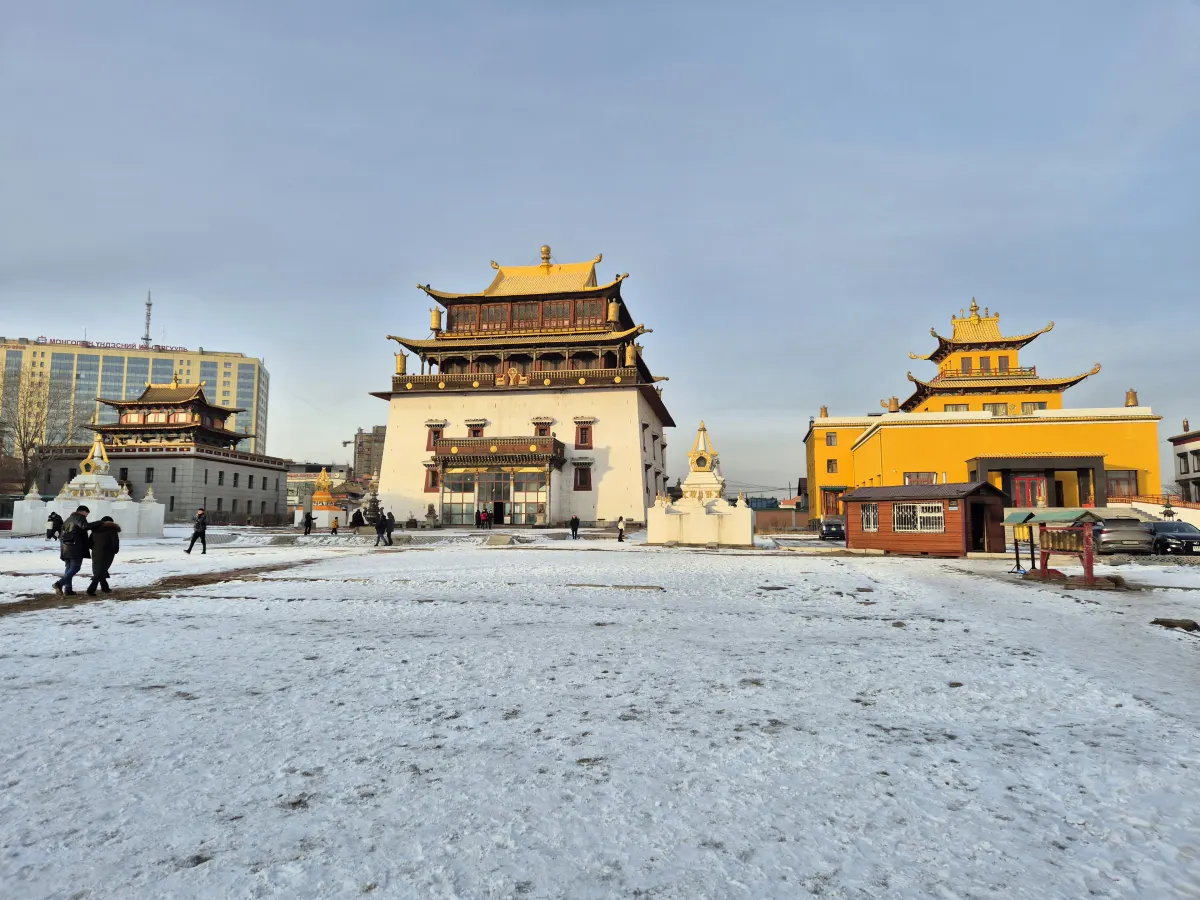
Gandan Monastery, Ulaanbaatar
Ulaanbaatar
Mongolia's most important Buddhist monastery, one of the few that survived communist purges in the 1930s, with hundreds of monks.
Ovoo, mountains and water
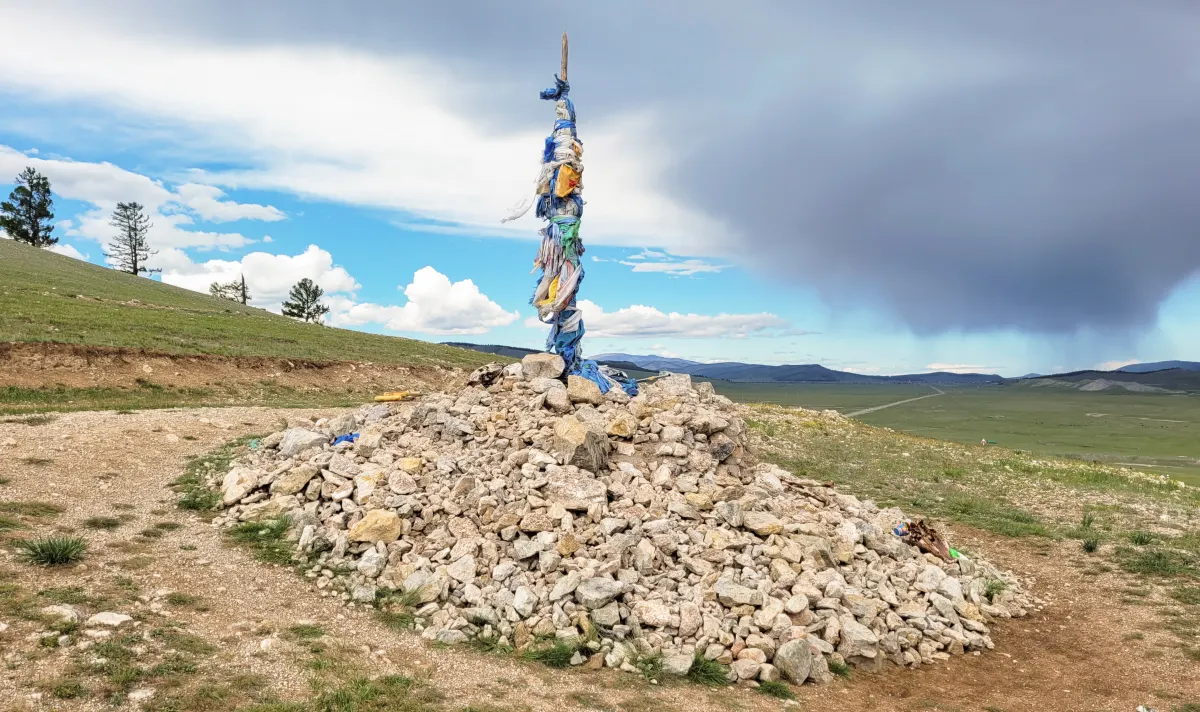
- An ovoo is a sacred cairn of stones, often with blue silk scarves (khadag), on passes, hilltops and at the edge of towns. Walk around it clockwise three times and add a stone; drivers often stop or honk. Don't take anything from an ovoo.
- Many mountains are sacred, and some, like Burkhan Khaldun, the mountain of Chinggis Khaan, are protected.
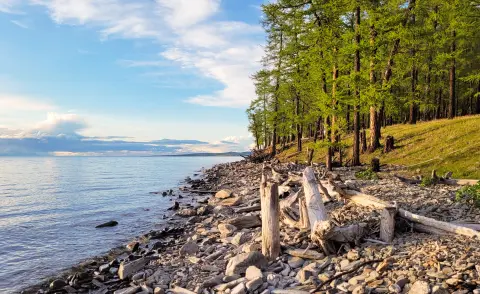
- Rivers, lakes and springs are sacred: don't wash, urinate or throw rubbish in or near them.
Chinggis Khaan and national pride
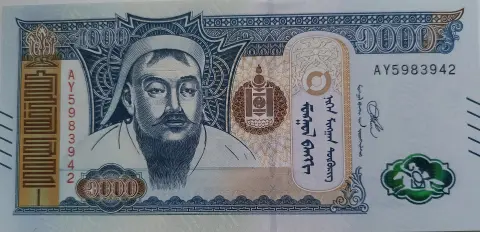
- Chinggis Khaan (Genghis Khan) is the national hero, and his image is everywhere, from the equestrian statue to vodka bottles. Don't joke about him, or about Mongolia being part of China or Russia: these are sensitive.
- Learn some history before you go: the National Museum of Mongolia and the Chinggis Khaan National Museum in Ulaanbaatar are good places to start.
Photos
- Ask before photographing people, especially herders and monks, and respect a no.
- It's illegal to photograph or film the police, police escorts or the military, and you can be arrested and fined.
- Flying a drone may need permission, and is banned near airports, government buildings, border areas and some protected areas; check with your tour company.
Things to avoid
- Don't step over a person, a lasso pole or a fire, and don't put rubbish or water on a fire: fire is sacred.
- Don't say no outright to a drink or food offered as a welcome: take a sip or a taste.
- Same-sex relationships are legal in Mongolia, but not widely accepted, so be discreet outside Ulaanbaatar's few gay-friendly places.
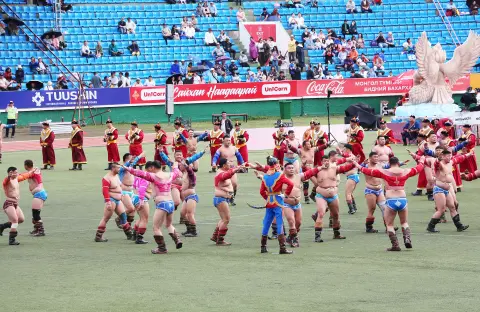
For festivals, see Naadam, Tsagaan Sar and other festivals.
Comments
No comments yet.