
Safety in Mongolia: pickpockets in Ulaanbaatar, taxis, dogs, horses, roads and remote travel
Mongolia is generally a safe and friendly country to visit, and violent crime against visitors is rare. The main risks are petty theft in Ulaanbaatar, road accidents, dogs and horses in the countryside, and being a very long way from help. Check your government's travel advice before you go.
Ulaanbaatar: pickpockets and the night
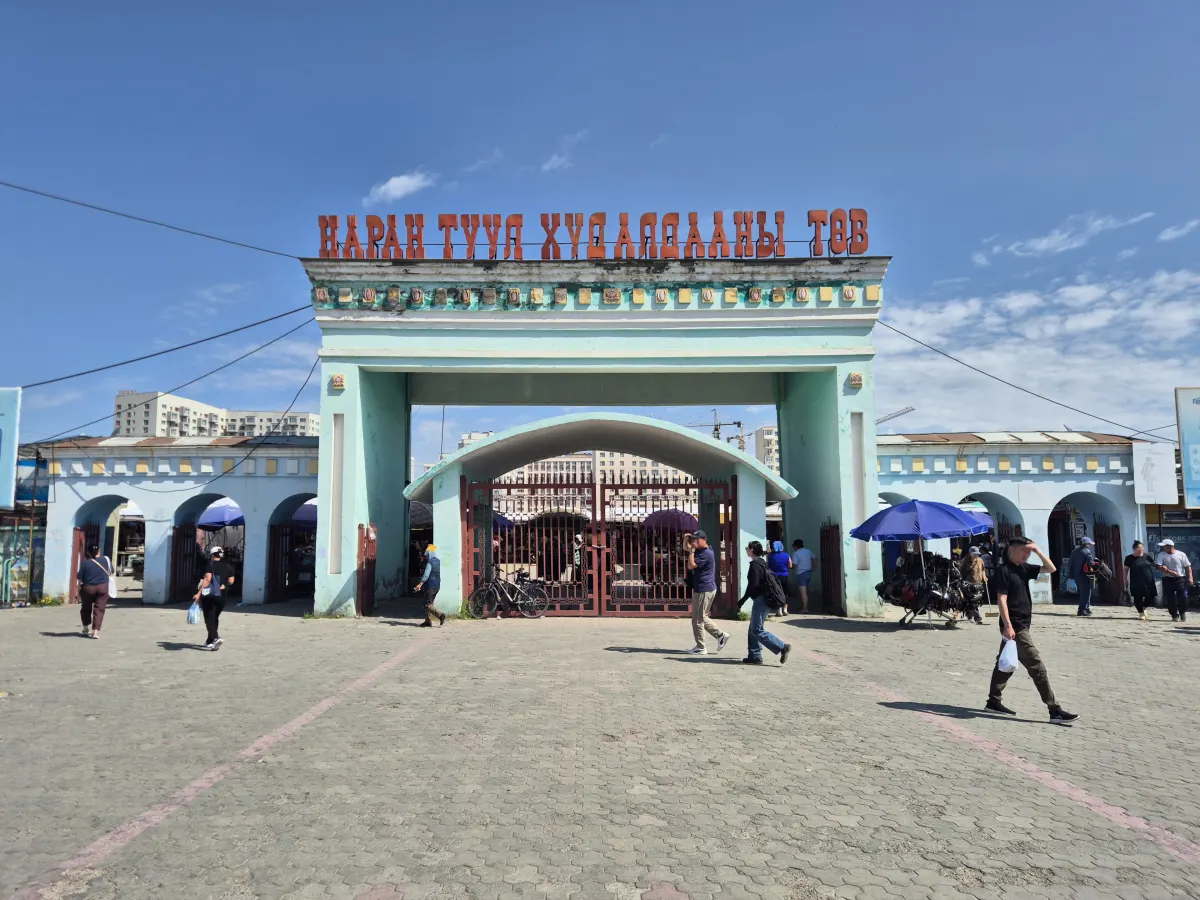
- Pickpockets and bag-slashers work in crowded places: markets (especially the Narantuul market), buses, the State Department Store, around Sükhbaatar Square, at Gandan monastery, and in the crowds at Naadam and Tsagaan Sar. Keep your phone, passport and money in a zipped bag in front of you, and leave valuables in the hotel safe.
- Groups, sometimes including children and teenagers, sometimes crowd and pester people for money as they get into cars or go into bars and restaurants.
- Foreigners have been assaulted and robbed in Ulaanbaatar, mostly at night and often around bars, when drunk people pick fights. Don't walk alone after dark; ask your hotel, restaurant or bar to call a car.
- There have been robberies by people pretending to be police. Real police may ask to see your passport, so carry it, but don't hand over your wallet.
- Avoid demonstrations and big crowds of protesters.
Taxis
- Use licensed taxis, ones ordered by your hotel or restaurant, or the UBCab app, which lets you track the car. Don't get into unofficial cars that stop for you, or share a car with strangers, especially at night.
- At the airport, use the official taxi counter, or have your hotel or tour company meet you.
Dogs
- Herders keep big, fierce guard dogs, and there are stray dogs in towns and around ger districts. When you arrive at a ger, stay by the car and call "Nokhoi khori!" ("hold the dog!").
- Don't approach or pet dogs, walk away calmly rather than run, and carry a stick if you walk around villages. Rabies is common in Mongolia: if you're bitten or scratched, wash the wound well with soap and water for 15 minutes and get medical help at once; see Health.
Horse riding
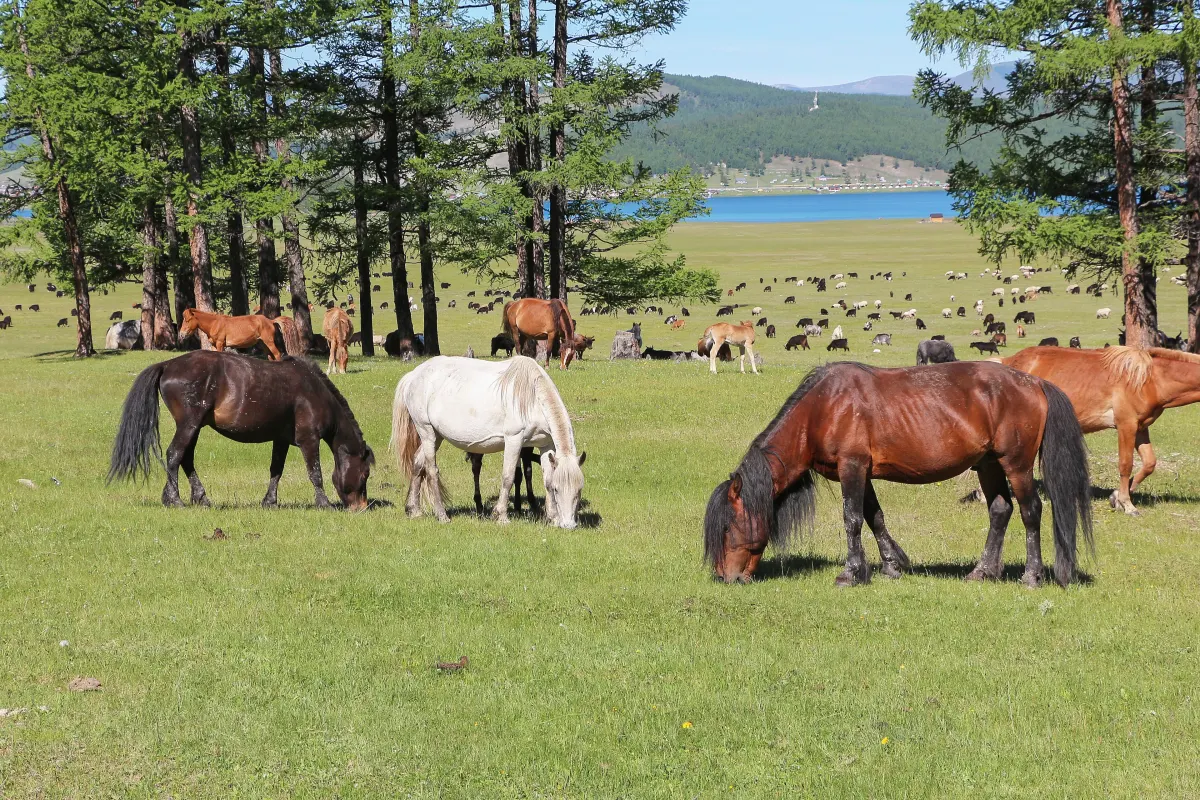
- Mongolian horses are small, tough and often half-wild, and the saddles are wooden. Tell your guide honestly how well you ride, and start slowly.
- Wear a helmet (bring your own, as many operators don't have them) and proper boots, and check that your travel insurance covers horse riding.
- Approach horses from the left side, never from behind, and don't wave things around near them.
Roads
- Road accidents are common: drivers speed, overtake recklessly, and drink-drive, roads are poor, and many cars have the steering wheel on the right in a country that drives on the right. Wear a seatbelt where there is one, and avoid road travel at night.
- On long trips, make sure your driver rests, and doesn't drink. If you feel unsafe, say so to the guide or the tour company.
- In 2026 Mongolia has had fuel shortages, with rationing, which can disrupt road travel and even flights. Keep tanks full and plans flexible.
Remote travel and the weather
- Much of Mongolia is very far from help, with no phone signal. Travel with an experienced driver and guide, tell someone your route, and carry water, food, warm clothes and a first-aid kit.
- The weather can change fast. Expect dust storms in spring, especially in the Gobi in May and June; flash floods after summer rains, mostly from mid-July to mid-September (don't camp in dry riverbeds); and blizzards and extreme cold in winter. See When to go.
- In 2026 there were outbreaks of plague in marmots and of foot-and-mouth disease in livestock, and some areas were quarantined; check before travelling to the west.
- Places near the borders are border zones, which need a permit.
The law
- Carry your passport at all times: police won't accept a copy.
- All drugs, including cannabis, are illegal, and penalties are severe.
- It's illegal to photograph or film police, police escorts or the military.
- Buying, selling or exporting parts of protected animals, fossils or antiques without permits is illegal.
- If you're involved in a commercial dispute or a criminal case, you may be stopped from leaving the country until it's resolved.
Emergency numbers
- Police: 102. Ambulance: 103. Fire: 101.
- Note your embassy's phone number, and your tour company's emergency number.

Comments
No comments yet.