
When to go to Mongolia: the summer season, the extreme winters, dust storms and air pollution in Ulaanbaatar
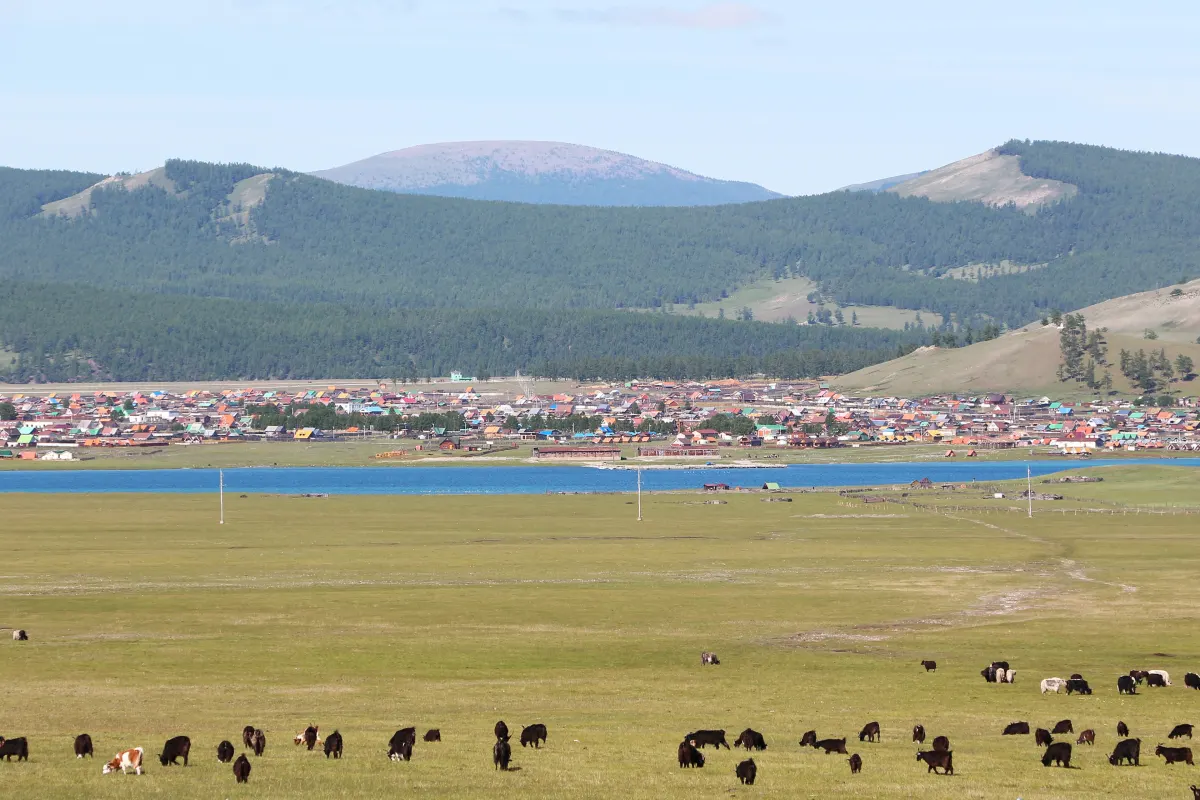
Mongolia has a continental climate of extremes: short, warm summers and long, bitterly cold winters, with big differences between day and night. Most visitors come in the summer, from June to September, when the steppe is green, ger camps are open and the roads are easiest.
Summer (June to August)
- Days are warm, often in the twenties °C in Ulaanbaatar and hotter in the Gobi, which can reach 35°C or more. Nights can be cold, especially in the mountains and the north.
- Most of the year's rain falls in summer, mostly in July and August, usually as afternoon showers and storms. Rivers can flood and tracks turn to mud.
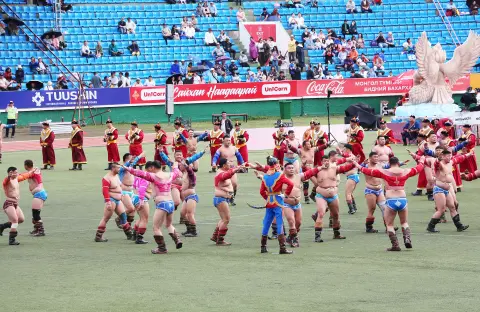
- July is the busiest month, with Naadam from 11 July, so book ahead.
- Bring warm layers, a waterproof jacket and a hat for the sun even in midsummer.
Autumn (September and October)
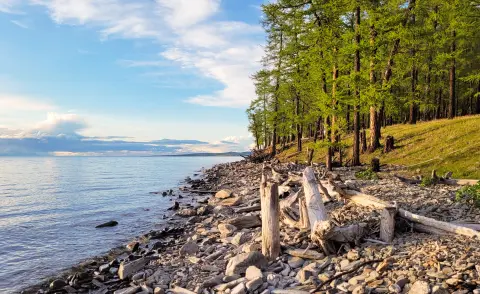
- September is often clear and settled, with yellow larches in the north and fewer tourists: a great month for central Mongolia and Khövsgöl Lake.
- It gets cold quickly: snow is possible from late September, and many ger camps close in September or early October. The Golden Eagle Festival in the west is in early October.
Winter (November to March)
- Winters are long and very cold. Ulaanbaatar is the coldest capital city in the world, with January temperatures often below -20°C, and colder at night. In the north and in the mountains, -40°C is possible.
- Days are mostly dry and sunny, and the frozen landscape is beautiful, but travel needs good planning: snow can close roads, many ger camps are shut, and herders face hard times.
- A severe winter after a dry summer can cause a dzud, when millions of animals die of cold and hunger.
- Winter trips (for Tsagaan Sar, eagle hunters, or the ice festival on Khövsgöl Lake) need serious cold-weather clothing, and an experienced tour company.
Air pollution in Ulaanbaatar
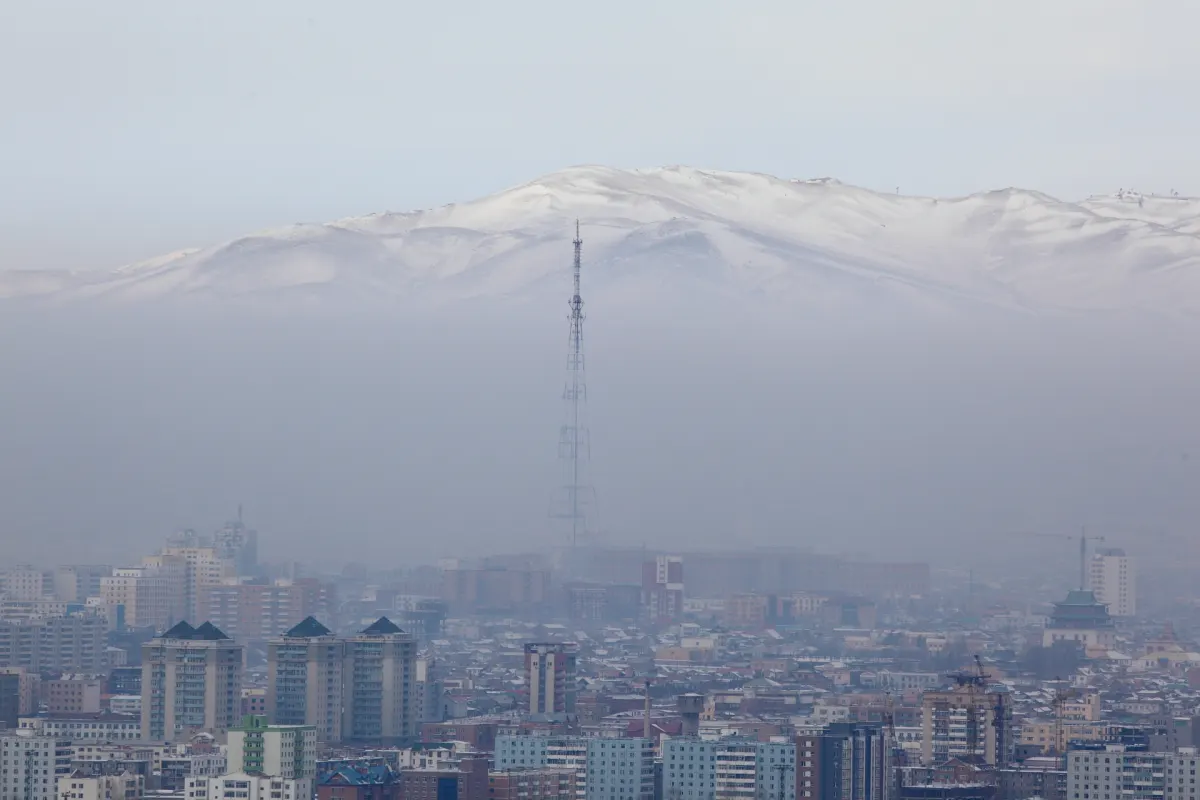
- From about November to March, smoke from coal and wood stoves in the city's ger districts, trapped by the cold air, makes Ulaanbaatar's air badly polluted, especially in the mornings and evenings.
- If you have asthma or heart or lung problems, keep your time in the city short in winter; see Health.
Spring (April and May)
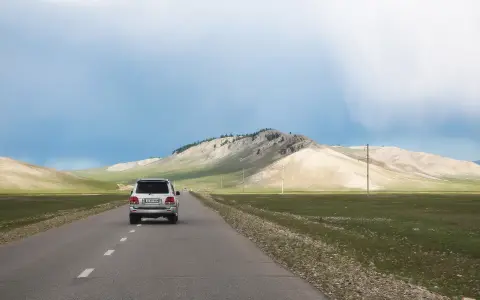
- Spring is windy and changeable, with snow one day and warmth the next. Dust storms are common, especially in the Gobi in spring and early summer, and can be dangerous for travel.
- It's a hard time for herders and their animals, and the steppe is brown until the rains come in June.
Which month?
- June: green, fewer crowds, though nights are still cool and some rivers are high.
- July and August: warmest, Naadam, busiest and most expensive; some rain.
- September: clear skies, autumn colours, cold nights.
- For the Gobi, June and September are more comfortable than the midsummer heat; avoid spring dust storms.
For what to pack, see Staying in gers and Health.

Comments
No comments yet.