
Naadam, Tsagaan Sar and Mongolia's other festivals: when they are and how to see them
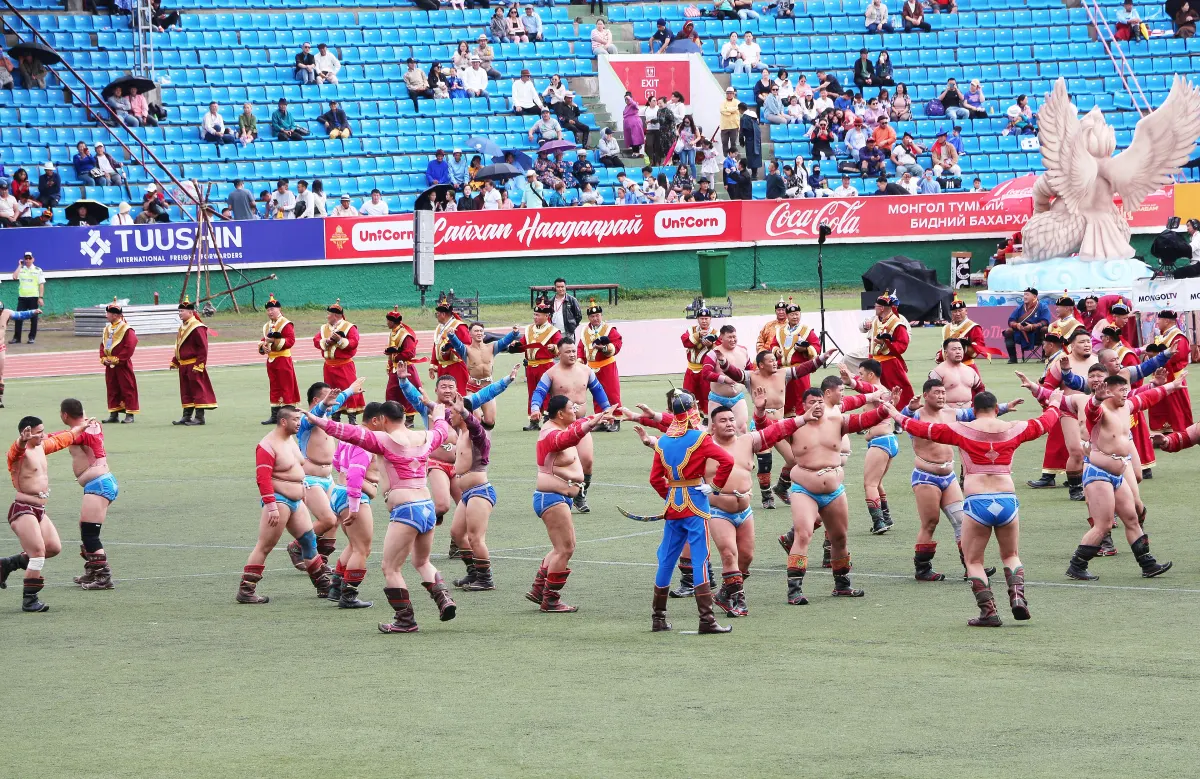
Mongolia's festivals are a great reason to time a trip, especially Naadam in July. Book well ahead for them: flights, hotels and tour companies fill up.
Naadam (July)
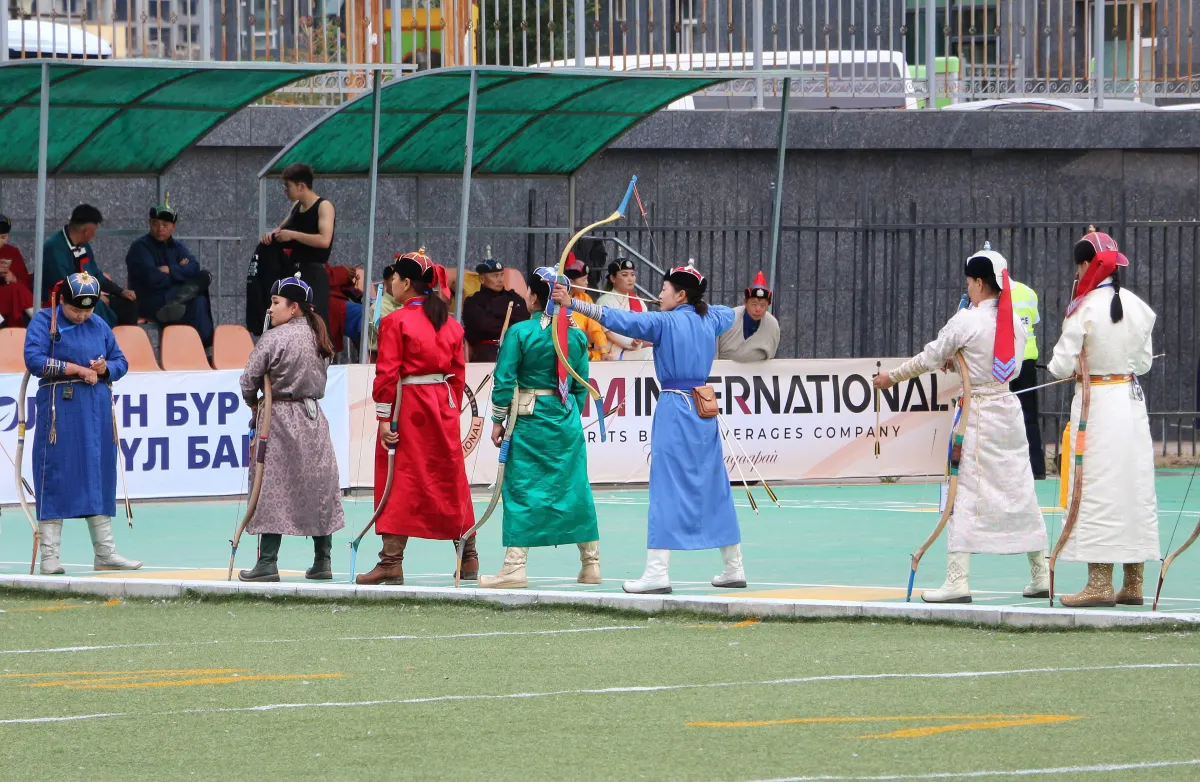
Naadam is Mongolia's national festival of the "three manly games": wrestling, horse racing and archery. It celebrates the 1921 revolution and is listed by UNESCO as part of humanity's intangible cultural heritage.
- The national Naadam holiday starts on 11 July and lasts several days. The biggest celebration is in Ulaanbaatar: the opening ceremony at the National Sports Stadium, with parades, music and the first rounds of wrestling, followed by archery near the stadium and horse races on the steppe at Khui Doloon Khudag, west of the city.
- Tickets for the opening ceremony sell out. Buy them through a tour company or your hotel well ahead, and only from official sellers.
- The horse races run over long distances, up to about 30 km, with young jockeys; the crowds and traffic out there are big, so go with a guide or a tour.
- Many provincial and village towns hold their own smaller local naadams in the weeks around July, which are more relaxed and easier to get close to. Ask your tour company what's on along your route.
- Pickpockets work the Naadam crowds, and taxis and roads out of Ulaanbaatar are jammed; see Safety in Mongolia. Many offices and some shops close for the holiday.

Tours and activities
Naadam Festival, Ulaanbaatar
Ulaanbaatar
Mongolia's great national festival, held on 11 to 13 July, with the 'three manly games': wrestling, horse racing, with child jockeys riding across th…
Tsagaan Sar (the lunar new year)
- Tsagaan Sar, the "white month", is the Mongolian lunar new year, usually in late January or February (it doesn't always fall on the same day as Chinese New Year).
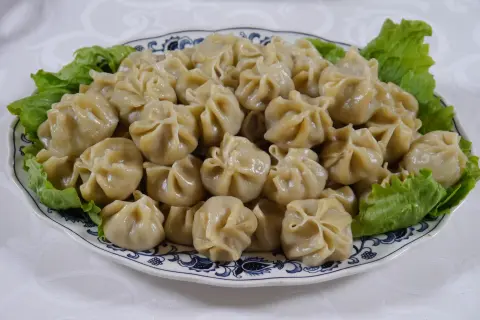
- Families visit their elders in their best deel (the traditional robe), exchange greetings and gifts, and eat mountains of buuz, the steamed dumplings, around a table with a stack of special biscuits and a sheep's back.
- It's a family holiday rather than a show, so you'll only see it if you're invited. Offices, many shops and restaurants close for a few days, and it's very cold.
The Golden Eagle Festival (October)
- In Bayan-Ölgii, in the far west, Kazakh eagle hunters gather with their trained golden eagles for competitions, horse games and music, usually in early October near Ölgii, and at other eagle festivals in the region.
- Getting there needs a flight to Ölgii or a very long drive, and a tour company to arrange it. The region is a border zone, so you may need a permit.
- In 2026 there were outbreaks of foot-and-mouth disease in the west, including parts of Bayan-Ölgii, with movement restrictions; check before you go.
Winter festivals
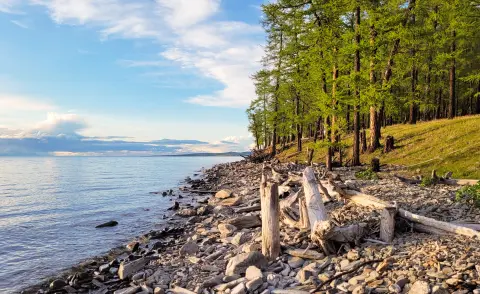
- Winter festivals at Khövsgöl Lake, usually in late February or March, include an ice festival on the frozen lake, with horse-sledge races and ice sculptures. Dates change from year to year, so check before you go.
- Expect temperatures well below -20°C, and pack accordingly; see When to go.
Buddhist festivals
Monasteries such as Gandan in Ulaanbaatar and Erdene Zuu in Kharkhorin hold ceremonies through the year, including masked tsam dances at some. Ask at the monastery or your tour company, and see Culture and etiquette.
Comments
No comments yet.