
7 days in central Mongolia: Ulaanbaatar, Terelj, Hustai, Kharkhorin and the Orkhon Valley
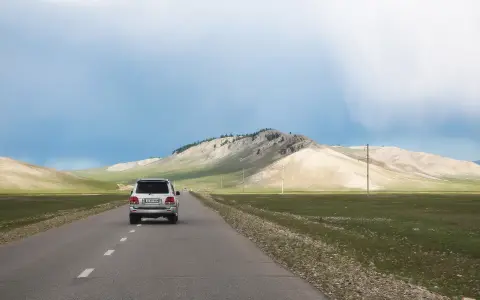
A week is enough to get a real taste of the Mongolian steppe without the long drives to the Gobi: the old capital at Kharkhorin, the Orkhon Valley, a UNESCO World Heritage cultural landscape, wild horses at Hustai, and nights in ger camps or with a herding family. It's best from June to September. You'll need a driver and guide (see Getting around Mongolia); much of the way is on paved roads, but the last part to the Orkhon waterfall is a rough track.
Day 1: Ulaanbaatar
Start at Gandan monastery, the country's main Buddhist monastery, for the morning chanting, then walk to Sükhbaatar Square and the government palace with its great seated Chinggis Khaan. Spend the afternoon in the National Museum of Mongolia, or the Chinggis Khaan National Museum, and eat buuz for dinner. See Arriving in Mongolia.

Gandan Monastery, Ulaanbaatar
Mongolia's most important Buddhist monastery, one of the few that survived communist purges in the 1930s, with hundreds of monks.
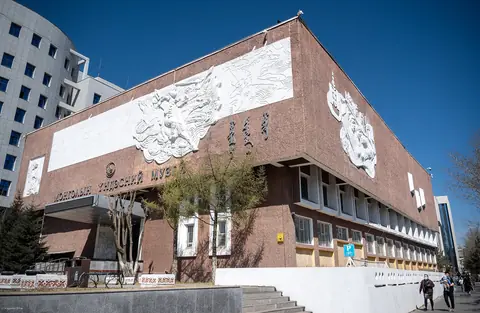
National Museum of Mongolia, Ulaanbaatar
The best introduction to Mongolia's history, from Stone Age tools and Bronze Age deer stones to the Mongol empire of Chinggis Khaan and the Soviet era.
Day 2: The Chinggis Khaan statue and Terelj
Drive east to the giant stainless-steel Chinggis Khaan Equestrian Statue, and climb up inside to the horse's head. Then go on to Gorkhi-Terelj National Park, with its granite rocks, larch forests and Turtle Rock, and the meditation temple of Aryabal up the hill. Spend the night in a ger camp, and try khorkhog, mutton cooked with hot stones.
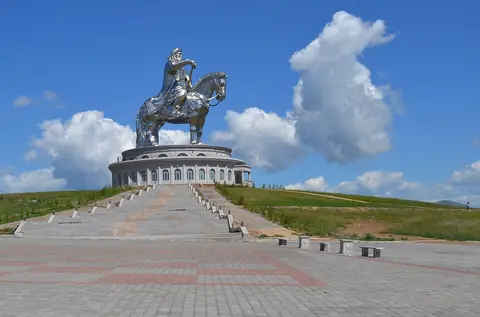
Chinggis Khaan Equestrian Statue
A 40 m stainless steel statue of Chinggis Khaan (Genghis Khan) on horseback, standing on top of a visitor centre on the steppe east of Ulaanbaatar, w…

Gorkhi-Terelj National Park
A national park of granite rocks, forests and grassy valleys about 70 km from Ulaanbaatar, the easiest place to taste the Mongolian countryside.
Day 3: Hustai National Park
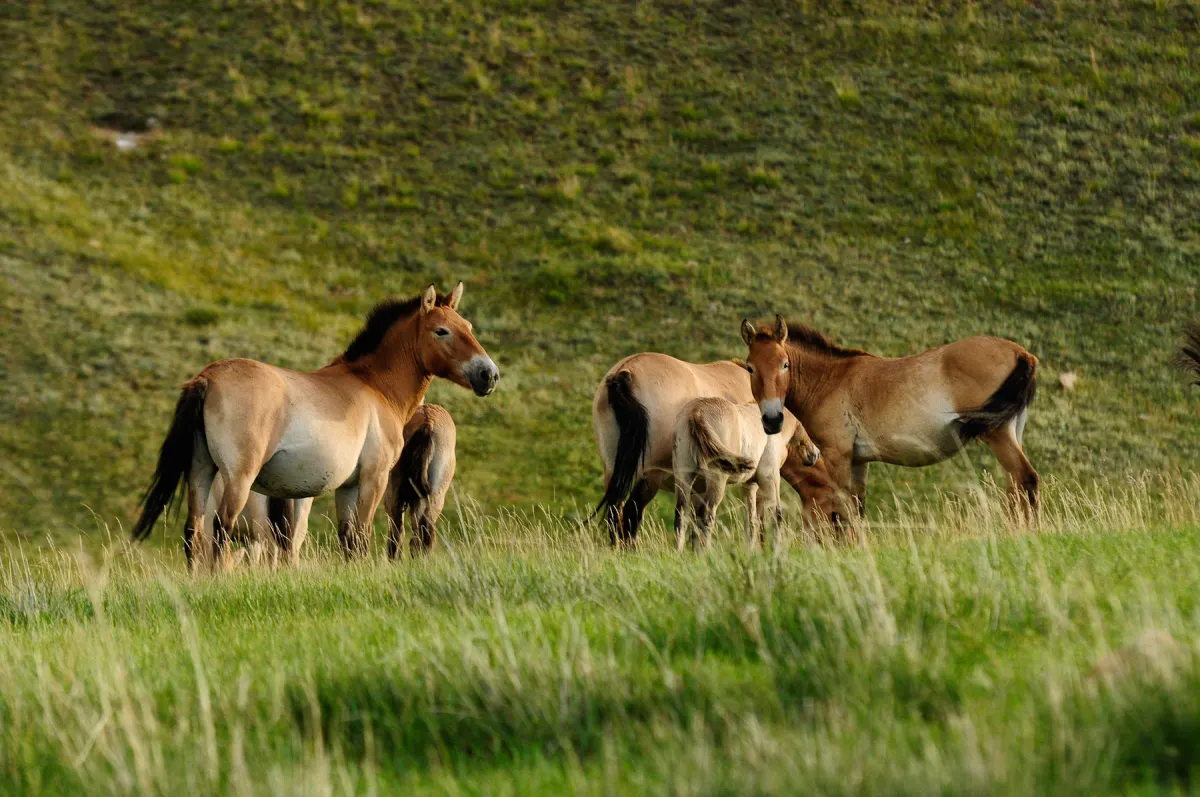
Drive back past Ulaanbaatar and west to Hustai National Park, about 100 km from the city, where the takhi, or Przewalski's horse, the last wild horse, was brought back to Mongolia from zoos. Go out with a ranger in the evening, when the herds come down to drink. Stay at the park's ger camp.
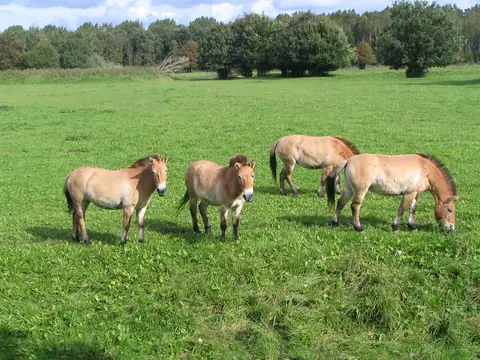
Hustai (Khustain Nuruu) National Park
Steppe and hills where the takhi, Przewalski's horse, the last truly wild horse species, has been brought back to the wild.
Day 4: Elsen Tasarkhai and on to Kharkhorin
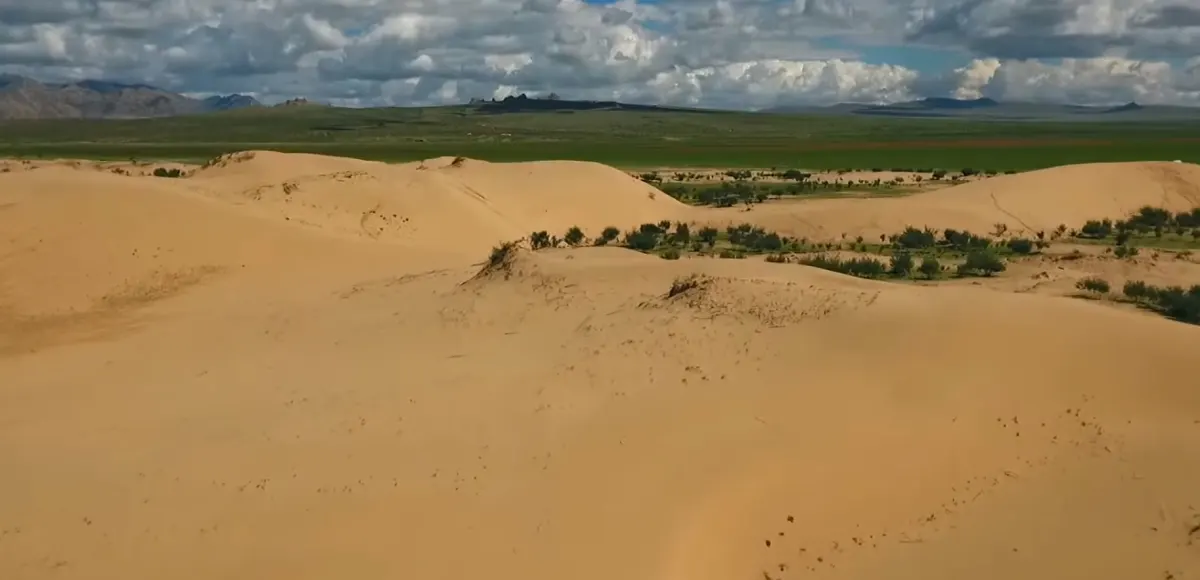
Drive west on the paved road to Elsen Tasarkhai, a strip of sand dunes in the middle of the steppe, sometimes called the "mini Gobi", for a camel ride or a walk on the dunes, then on to Kharkhorin. Spend the night in a ger camp near the town.
Day 5: Kharkhorin and Erdene Zuu
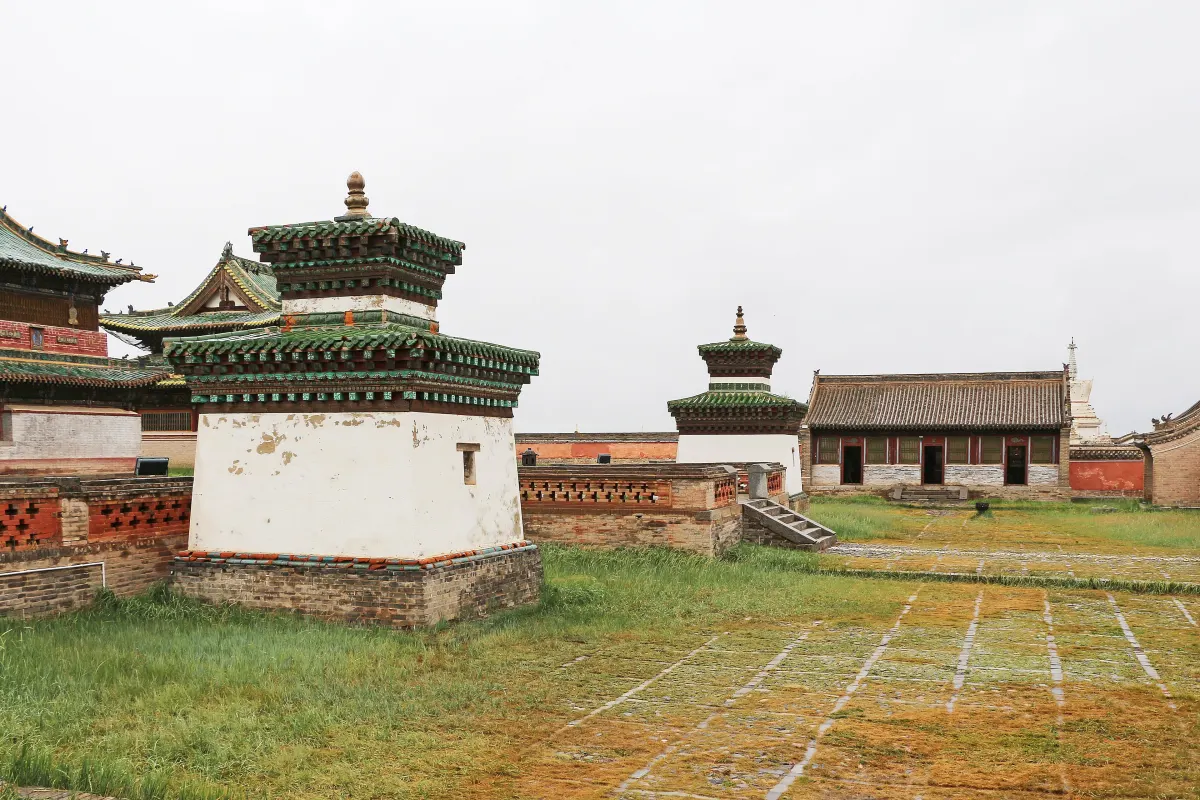
Kharkhorin is near the site of Karakorum, the capital of the Mongol Empire in the 13th century. Visit Erdene Zuu, Mongolia's oldest surviving Buddhist monastery, inside its wall of 108 stupas, the Kharakhorum Museum, with finds from the old city, and the hill with the monument to the Mongol empires. In summer, try airag, fermented mare's milk, at a family's ger.

Erdene Zuu Monastery, Kharkhorin
Mongolia's oldest surviving Buddhist monastery, founded in 1585 near the ruins of Karakorum, Genghis Khan's capital, surrounded by a wall topped with…
Day 6: The Orkhon Valley and the waterfall
Drive up the green Orkhon Valley to the Orkhon Waterfall (Ulaan Tsutgalan), which falls into a basalt gorge. The last part is a rough track of a few hours. Walk down to the bottom of the falls, or ride horses along the valley, and stay with a herding family or in a ger camp. The waterfall can be almost dry early in summer, before the rains. See Staying in gers and with nomad families.
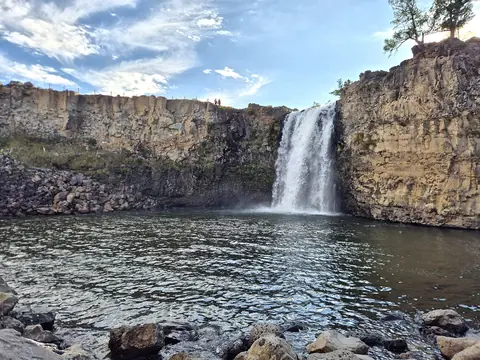
Orkhon Waterfall (Ulaan Tsutgalan)
A 20 m waterfall that drops into a gorge of black volcanic rock, in the World Heritage Orkhon Valley, the heartland of Mongolian nomadic empires.
Day 7: Back to Ulaanbaatar
It's a long day's drive back to Ulaanbaatar, about 450 km, mostly paved after Kharkhorin. Stop at a roadside café for khuushuur on the way.
With more time
- Add a night at Tsenkher hot springs and Tsetserleg, west of the Orkhon Valley, or the Tövkhön monastery on a mountain above the valley.
- Or add the Gobi: see Two weeks: the Gobi and central Mongolia.
Map of the route
Ulaanbaatar to the Chinggis Khaan statue and Terelj, about 91 km
Terelj to Hustai National Park, about 152 km
Hustai to Elsen Tasarkhai and Kharkhorin, about 300 km
Kharkhorin to the Orkhon Waterfall, about 96 km
Back to Ulaanbaatar, about 454 km
Click a dot for the place. Labels show where you spend each night. Distances are by road and approximate; the last part to the waterfall is a rough track. Route from OpenStreetMap (© OpenStreetMap contributors, ODbL).

Comments
No comments yet.