Practical advice
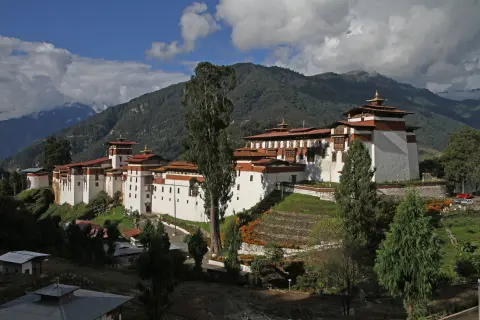
Eleven days, with ten nights, take you from Bhutan's best-known valleys into the quieter centre of the country: the wide valley of Phobjikha, the dzo…
Practical advice
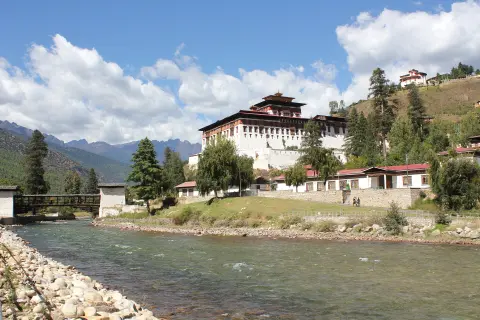
Six days, with five nights, is enough for Bhutan's three most visited valleys, all within a few hours of each other: Thimphu, Punakha and Paro.
Practical advice
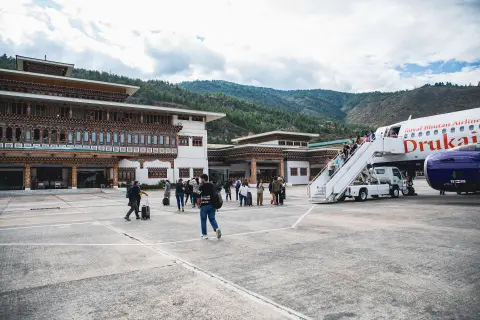
Most visitors to Bhutan need a visa, approved before they travel, and pay a daily tourist tax, the Sustainable Development Fee (SDF).
Practical advice
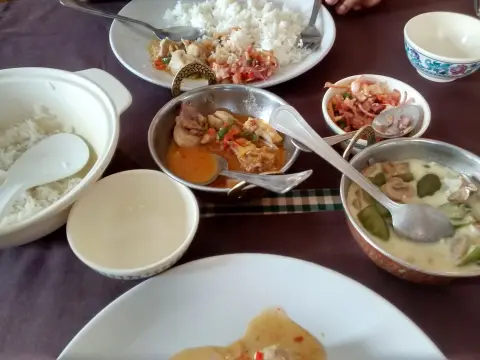
Bhutanese food is simple, hearty and very hot: chillies are eaten as a vegetable, and cheese goes with nearly everything.
Practical advice
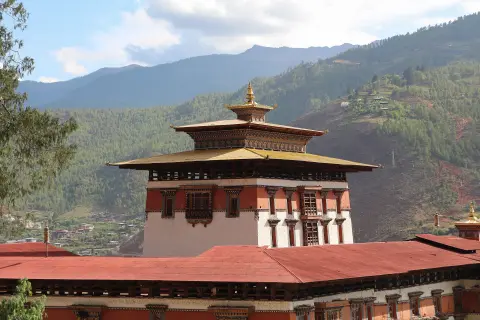
Bhutan ended its old system of compulsory all-inclusive packages at a minimum daily price in 2022.
Practical advice
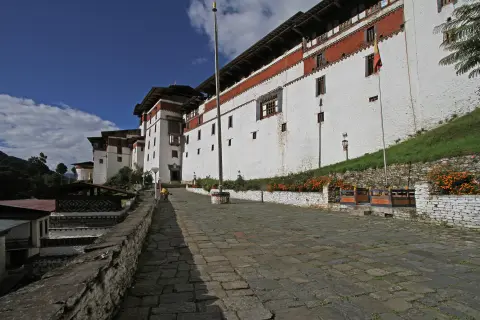
Bhutan is a Buddhist kingdom that has guarded its culture carefully.

Practical advice
A tshechu is a religious festival in honour of Guru Rinpoche, who brought Buddhism to Bhutan, held once a year at each dzong and at many temples.
Practical advice
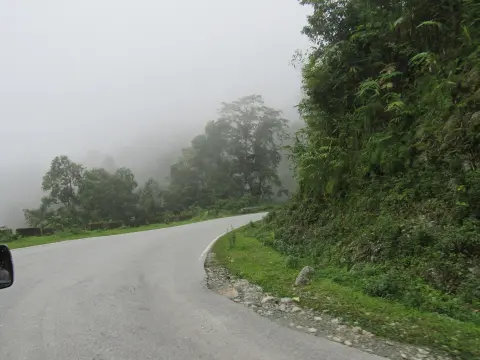
Bhutan has no railways and few straight roads.

Practical advice
Bhutan is one of the safest countries in Asia for crime.
Practical advice
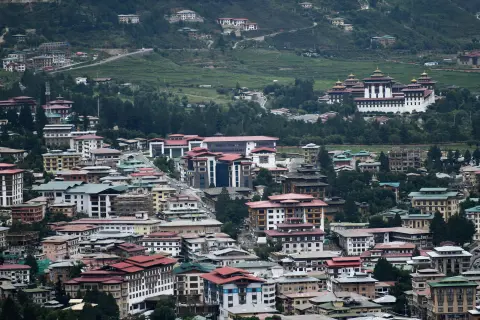
Most of your trip is paid for before you arrive, so you don't need much money in Bhutan: mainly for drinks, souvenirs, tips and the odd meal.

Practical advice
Trekking in Bhutan is quiet, remote and well looked after: you camp with a guide, a cook and packhorses, and may meet more yaks than people.

Practical advice
The best times to visit Bhutan are March to May, for flowers and the Paro festival, and late September to November, for clear mountain views and the …
