
11 days in Bhutan: Thimphu, Punakha, Phobjikha, Trongsa, Bumthang and the Tiger's Nest
Eleven days, with ten nights, take you from Bhutan's best-known valleys into the quieter centre of the country: the wide valley of Phobjikha, the dzong at Trongsa, and the ancient temples of Bumthang. You'll spend a lot of time on mountain roads, but they're some of the most beautiful in the Himalaya. Autumn and spring are best. The SDF for ten nights is US$1,000 per adult (Nu 12,000 for Indians).
Days 1 and 2: Thimphu
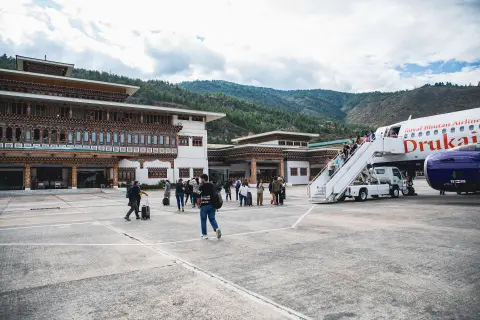
- Day 1: land in Paro and drive about an hour and a half to Thimphu. Walk around the Memorial Chorten at dusk.
- Day 2: see the Buddha Dordenma and Tashichho Dzong, the takin reserve, the craft workshops and, at weekends, the farmers' market.

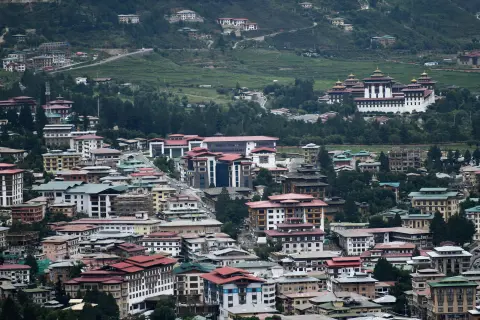
Thimphu Tashichho Dzong and Buddha Dordenma
Bhutan's small capital has the Tashichho Dzong, seat of government and the central monk body, beside the river, and the giant Buddha Dordenma statue …
Day 3: To Punakha over the Dochula Pass
Stop at the Dochula Pass for the 108 chortens and the view, then go down to Punakha, about three hours in all. Walk to Chimi Lhakhang, and visit Punakha Dzong. The dzong was closed to visitors after a flood in late October 2026: ask whether it has reopened. See Health and safety.

Dochula Pass
A mountain pass at 3,100 m on the road from Thimphu to Punakha, with 108 white memorial chortens and, on clear days, a panoramic view of the snow-cap…

Punakha Dzong
Probably the most beautiful dzong (fortress-monastery) in Bhutan, built in 1637 at the meeting of two rivers, the Pho Chhu and the Mo Chhu.
Day 4: To the Phobjikha Valley
A short drive of about two and a half to three hours, up from the warm valley to a cold, wide one at nearly 3,000 metres. Walk the Gangtey Nature Trail in the afternoon, and visit the Gangtey monastery above the valley. From late October to February, look for the black-necked cranes and visit the crane information centre. Stay in a farmhouse or a hotel with a good heater.
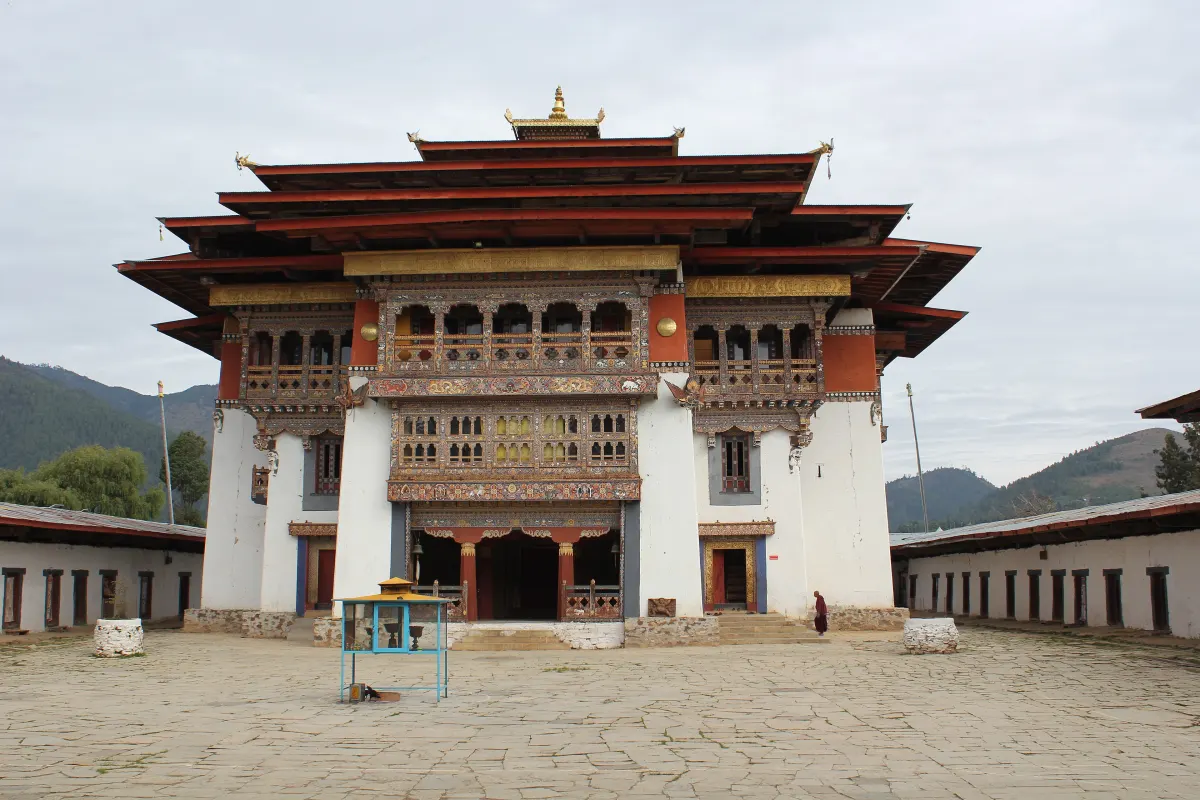

Phobjikha Valley
A wide glacial valley in central Bhutan, where rare black-necked cranes arrive from Tibet each winter (late October to February).
Day 5: Over the Pele La to Trongsa and Bumthang
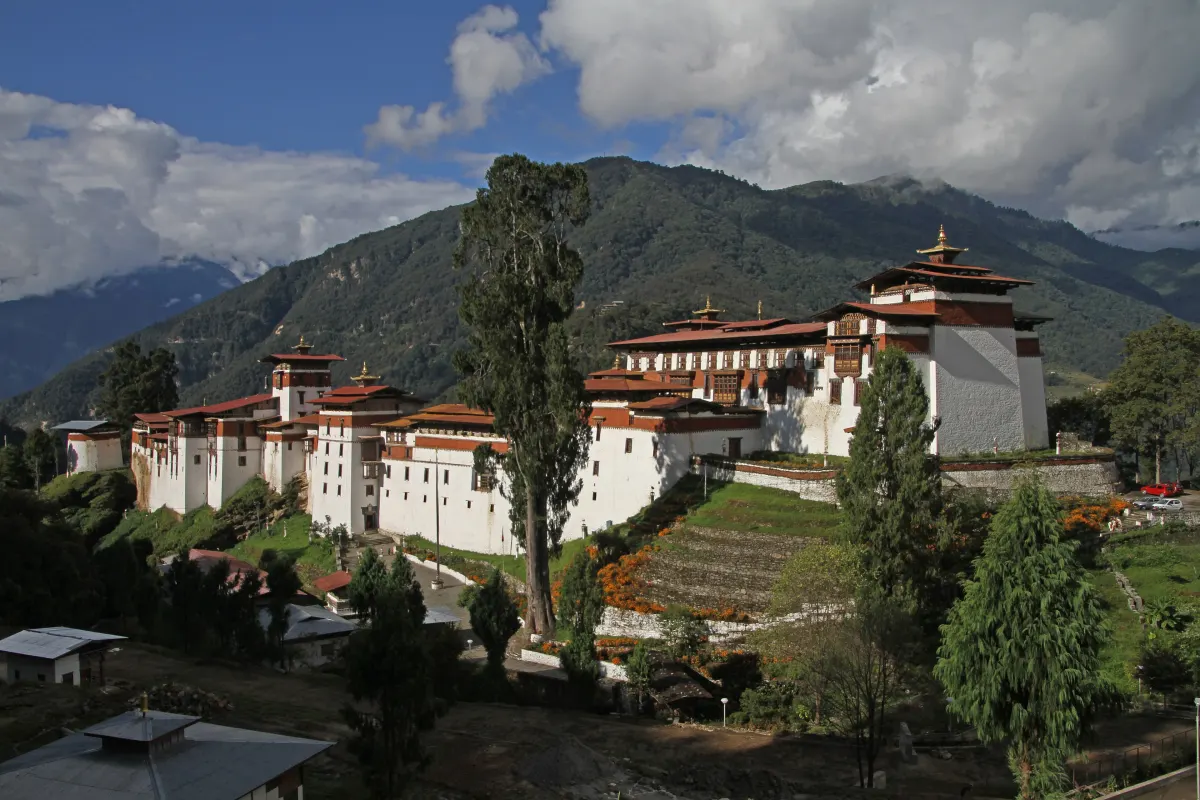
Cross the Pele La pass, at about 3,400 metres, where you leave western Bhutan, and pass the Chendebji chorten. After about four hours, you see Trongsa Dzong across the gorge long before you reach it: it's the largest in Bhutan and the ancestral home of the royal family. Visit the dzong and the museum in its watchtower, then go on over the Yotong La to Jakar in Bumthang, another two to two and a half hours. It's a long day: break it with a night in Trongsa if you can.

Trongsa Dzong and the Bumthang Valleys
The largest dzong (fortress-monastery) in Bhutan, spread along a ridge in the centre of the country, the ancestral home of the royal family.
Days 6 and 7: Bumthang
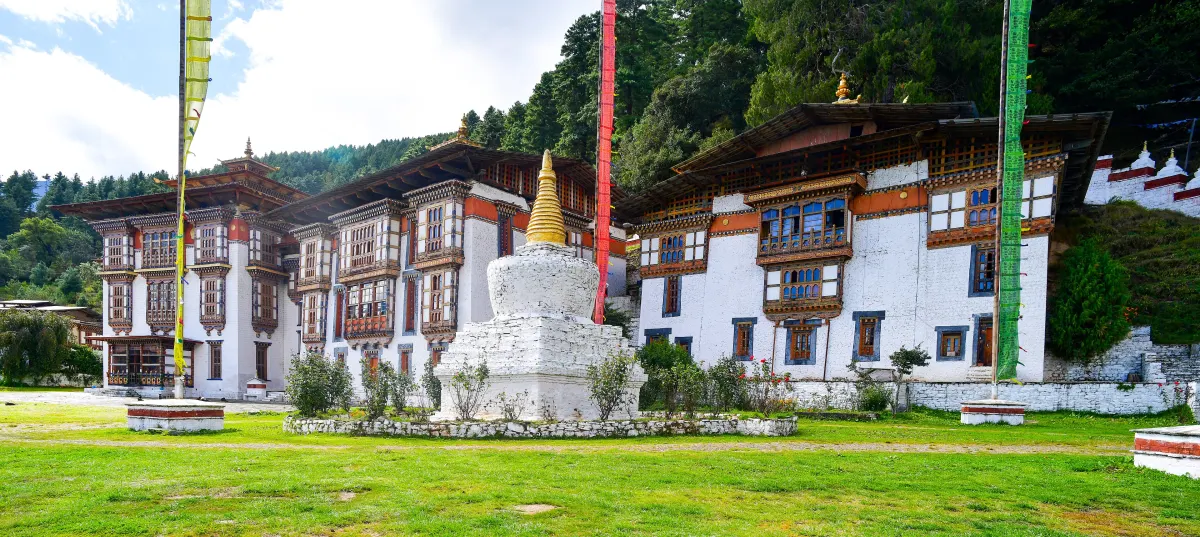
- Day 6: walk or drive around the Choekhor valley's temples: Jambay Lhakhang, said to date from the 7th century, Kurjey Lhakhang, with Guru Rinpoche's body print, and Tamshing, and see Jakar Dzong above the town. Try buckwheat noodles, Bumthang cheese and the local beer.
- Day 7: go to the Tang valley, with the sacred pool of Mebar Tsho (Burning Lake) and the Ogyen Choling manor museum, or to Ura, a village of close-packed houses over a high pass. In November, the Jakar and Jambay Lhakhang festivals are here: see Festivals.
Day 8: Back to Punakha or Wangdue
Drive back west to the Punakha valley, about eight or nine hours, with stops. Or fly from Bumthang to Paro, about 35 minutes, if one of the two or so flights a week fits, and spend the day you save in Haa or Thimphu. Keep the car going by road in case the flight is cancelled. See Getting around.
Day 9: To Paro
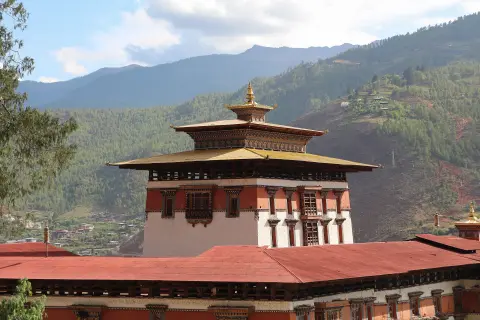
Drive over Dochula to Paro, about four hours, and look around Rinpung Dzong, the National Museum and the main street.
Day 10: The Tiger's Nest
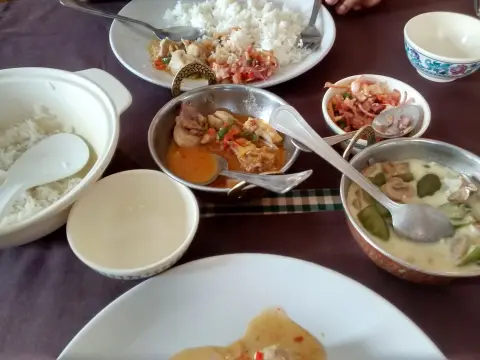
Climb to the Tiger's Nest early, two to three hours up. Visit Kyichu Lhakhang on the way back, and finish with a hot stone bath and a last plate of ema datshi.

Tiger's Nest Monastery (Paro Taktsang)
Bhutan's most famous sight: a monastery clinging to a cliff 900 m above the Paro valley, where Guru Rinpoche is said to have arrived on the back of a…
Day 11: Fly home
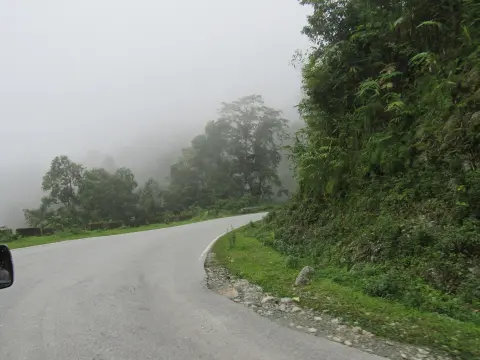
The road from Bumthang can be blocked by landslides, especially in the monsoon, so this plan's two nights in Paro at the end are also a useful buffer before your flight.
With more time
- Go on east from Bumthang over the Thrumshing La, at nearly 3,800 metres, to Mongar, Lhuentse's weavers, Trashigang and Trashiyangtse, and leave Bhutan at Samdrup Jongkhar for Guwahati, in about six more days. Check your Indian visa first: see Arriving in Bhutan.
- Add a trek, such as the Druk Path or Bumdra, at the end: see Trekking in Bhutan.
- Short of time? See 6 days in Bhutan.
Map of the route
Paro airport to Thimphu, about 46 km
Thimphu to Punakha over Dochula, about 72 km
Punakha to Phobjikha (Gangtey), about 71 km
Phobjikha to Trongsa and Jakar, about 142 km
Bumthang day trip to Ura, about 50 km
Jakar back to Punakha, about 199 km
Punakha to Paro, about 112 km
Paro to the Tiger's Nest trailhead, and the walk up, about 15 km
Or: fly Bumthang to Paro, about 132 km
Click a dot for the place. Labels show where you stay. Dashed lines are a day trip and the alternative flight back. Route from OpenStreetMap (© OpenStreetMap contributors, ODbL).
Comments
No comments yet.