
Trekking in Bhutan: the Druk Path, Jomolhari, the Trans Bhutan Trail and the Snowman Trek
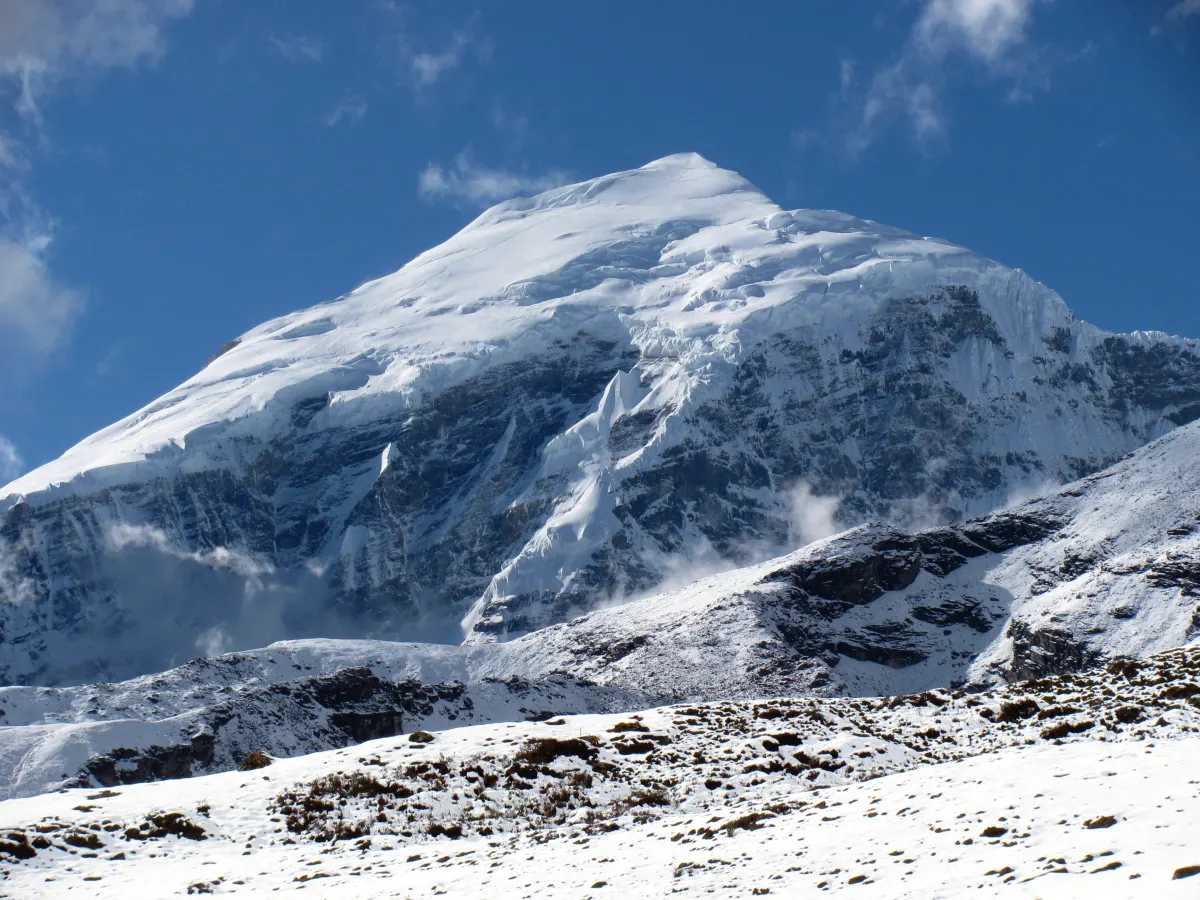
Trekking in Bhutan is quiet, remote and well looked after: you camp with a guide, a cook and packhorses, and may meet more yaks than people. There are no teahouses as in Nepal, so you need an organised camping trek. There are also plenty of good day walks.
The rules
- All treks must be arranged by a tour operator, with a licensed trekking guide: at least one for every seven trekkers. Under-18s need to be with a parent or guardian, or have written permission.
- You can only use approved routes and campsites. Your operator gets the national park permits, and an army permit for routes near the Tibetan border, such as Jomolhari, Laya and the Snowman.
- You pay the SDF for every night, trekking or not, so long treks are expensive.
- Mountaineering is banned. Gangkhar Puensum, at about 7,570 metres, is the world's highest unclimbed mountain, and will stay that way.
- Carry out your rubbish, and don't go beyond the campsites without your guide: there are bears and other wild animals.
Day walks
- Tiger's Nest (Taktsang), above Paro: four to six hours there and back, with about 700 to 900 metres of climbing to over 3,100 metres. Start early. Horses for the first part have to be booked ahead, and can't be ridden down.
- Gangtey Nature Trail, in the Phobjikha Valley: an easy couple of hours.
- Khamsum Yulley Namgyal Chorten, north of Punakha: an hour's climb through rice fields.
- Tango and Cheri monasteries, at the end of the Thimphu valley, and sections of the Trans Bhutan Trail.

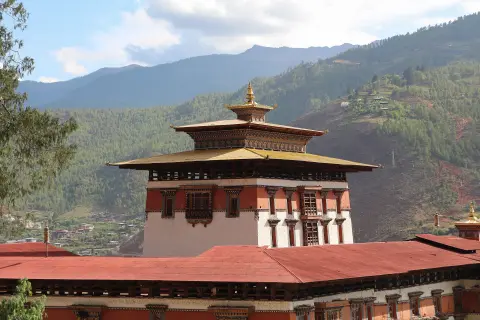
Tiger's Nest Monastery (Paro Taktsang)
Bhutan's most famous sight: a monastery clinging to a cliff 900 m above the Paro valley, where Guru Rinpoche is said to have arrived on the back of a…
Short treks
- Bumdra: two days, camping by a cliff monastery at about 3,800 metres, and walking down to Tiger's Nest from above.
- The Druk Path: five or six days from Paro to Thimphu along a high ridge with lakes, forts and big views, up to about 4,200 metres. The classic first trek.
- Dagala Thousand Lakes: about five or six days, south of Thimphu, up to about 4,500 metres.
- Bumthang Cultural Trek and Owl Trek: about three days, lower, through villages, forests and temples.
- Merak and Sakteng, in the far east: about three to five days, among the yak-herding Brokpa people. The villages now have road access.
Jomolhari and Laya
- Jomolhari: from five to nine days from near Paro, to the base camp at Jangothang (about 4,080 metres) under the 7,300-metre face of the mountain. Longer versions cross passes of nearly 4,900 metres to Lingzhi and Thimphu.
- Jomolhari to Laya and Gasa: about two weeks, to the village of Laya, whose women wear pointed bamboo hats.
- The flood of 29 October 2026 damaged the Laya road and washed away the Gasa hot springs. Ask your operator about access before booking treks that start or end there.
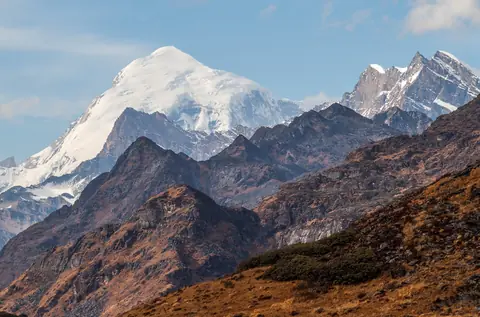
Jomolhari trek, Jigme Dorji National Park
Bhutan's largest national park, stretching to the Tibetan border, with high pastures, yak herders, blue sheep, takin (the national animal) and snow l…
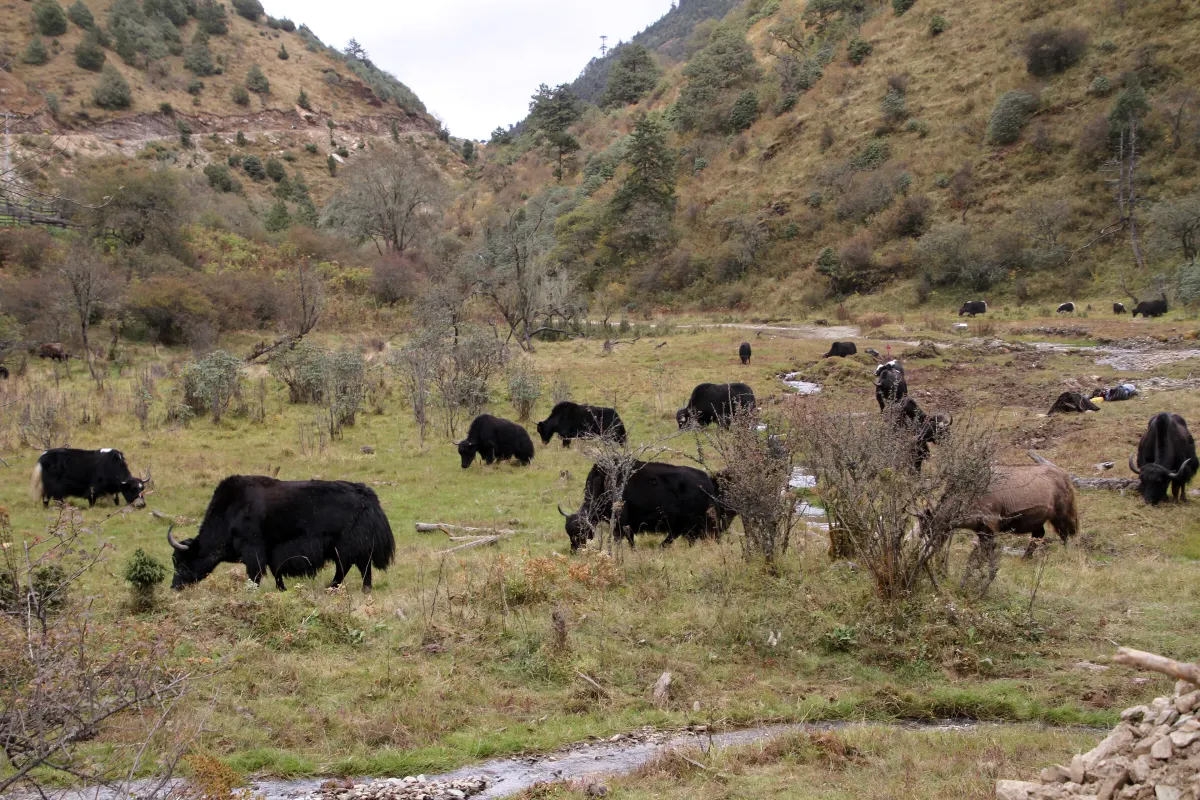
The Snowman Trek
- One of the world's hardest treks: about 25 days or more, over 11 or so passes, several of them above 5,000 metres, through the remote villages of Lunana, with no road and no quick way out. Many parties don't finish, because of snow, altitude or landslides.
- The usual season is late September to mid-October, between the end of the monsoon and the first heavy snow that closes the passes. Some groups go in late spring.
- You need to be very fit, with experience of multi-week treks at altitude. Insist on a guide who's done the route before, a satellite phone, and insurance that covers helicopter rescue above 5,000 metres.
- The last section has two endings, to Nikka Chu near Trongsa or to Bumthang by the Dhur hot springs.
The Trans Bhutan Trail
An old pilgrim and messenger route, restored and reopened in 2022, running about 400 kilometres from Haa in the west to Trashigang in the east. The whole walk takes about a month, but most people walk a day or a few days of it, with nights in hotels, homestays or camps. It mostly stays below 3,500 metres, so it's good for walkers who'd rather avoid high altitude. You need a guide here too.
When to go
- October and November have the clearest views. March to May is warmer, with rhododendrons, but more cloud and afternoon rain.
- From June to September, the monsoon brings rain, mud, leeches and landslides, though alpine flowers are at their best in July and August.
- In winter, the high routes are closed by snow, but low walks around Punakha and Bumthang are fine. See When to go.
Altitude and preparation
- Plan for rest days: Jomolhari treks climb fast. Read about altitude sickness in Health and safety.
- Many trails are steep, muddy and rocky, with long days. Train by walking up hills with a pack.
- Operators provide tents, mats, food and horses. Bring your own sleeping bag (warm enough for well below freezing in autumn), boots, waterproofs, down jacket, headtorch, sunglasses, water treatment and a power bank.
- Horses don't cross every pass in snow, and delays are part of it: leave a couple of days spare before your flight.
Comments
No comments yet.