
When to go to Bhutan: the weather, seasons and crowds in each part of the country
The best times to visit Bhutan are March to May, for flowers and the Paro festival, and late September to November, for clear mountain views and the Thimphu festival. Winter is cold but sunny and quiet, and a good choice if you're not trekking. The monsoon, from June to September, is wet but green, with few tourists.
Spring: March to May
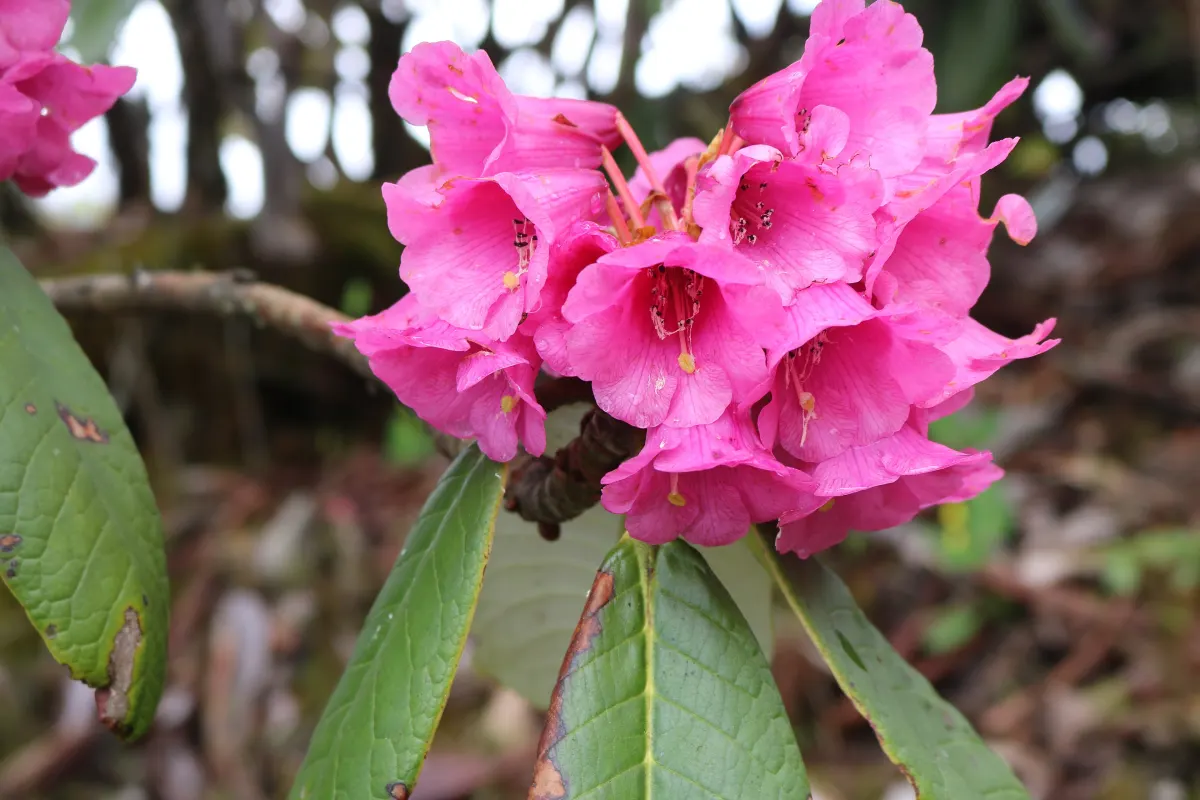
- Days get warmer, and the hills flower: magnolias and peach blossom in March, then rhododendrons in April and May, especially around the Dochula and Pele La passes. The jacarandas at Punakha Dzong flower purple in spring.
- It gets hazier and showery from mid-April, so mountain views are less reliable than in autumn.
- Busy around the Paro Tshechu.
Monsoon: June to September
- Warm, humid and wet, with the heaviest rain in July and August, mostly in the afternoon and at night. The south is drenched, while inner valleys such as Thimphu and Paro get much less.
- The mountains are usually hidden, landslides block roads, and flights are delayed. Leeches appear in the forests.
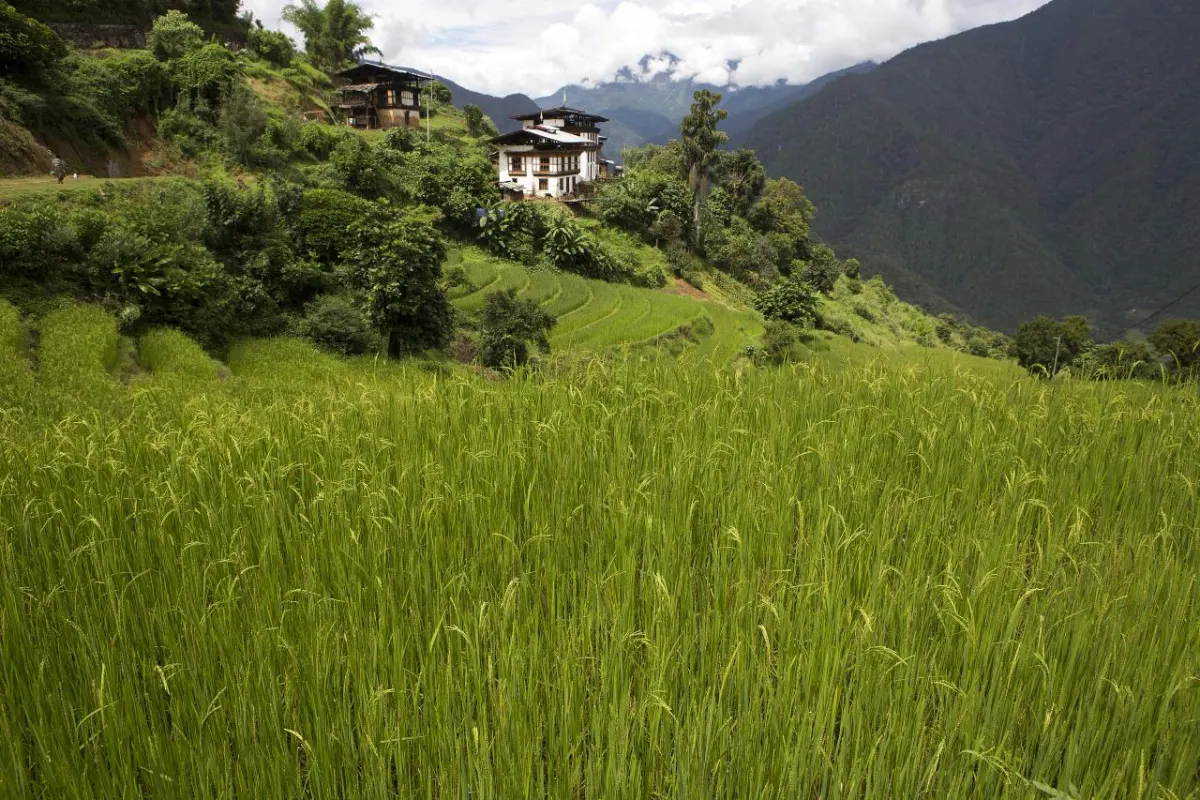
- On the other hand, the rice fields are bright green, there are wild mushrooms and alpine flowers, and hotels and prices are at their best.
Autumn: late September to November
- The sky clears, the rice turns gold, and the Himalaya come out. October and November are the best months for views and for trekking.
- It's the busiest season, with the Thimphu Tshechu and many others: book early. See Festivals.
- Late rain can still come in early October. Nights are cold by November.
Winter: December to February
- Dry, with brilliant blue skies and the clearest views of all. Days are pleasant in the sun; nights are below freezing in Paro, Thimphu and Bumthang.
- Punakha is mild. The rare black-necked cranes are in the Phobjikha Valley from late October to February.
- Snow falls on the passes and sometimes in Thimphu, but the main roads are rarely closed for long. High treks are closed.
- The quietest and often cheapest season, with festivals at Trongsa, Punakha and the Dochula Pass.

Natural features
Phobjikha Valley
Wangdue Phodrang
A wide glacial valley in central Bhutan, where rare black-necked cranes arrive from Tibet each winter (late October to February).
How it differs by place
Altitude matters more than the month. These are typical average lows and highs.
- Thimphu (about 2,300 m) and Paro: about −2 to 15 °C in January, and in the low 20s on average in July, when it's often cloudy. Rainfall is only about 600 mm a year.
- Punakha (about 1,250 m): about 6 to 19 °C in January, and hot and humid in July, averaging about 25 °C.
- Bumthang and Phobjikha (2,600 to 3,000 m): cold all winter, with nights well below zero, and cool in the summer.
- The south, such as Phuentsholing and Gelephu: subtropical, about 14 to 24 °C in January, and hot and very wet from May to October.
- High treks: below freezing at night for most of the year.
Month by month
- January and February: cold, clear, quiet, cranes. Punakha festivals in February.
- March: blossom, and usually the Paro Tshechu.
- April and May: rhododendrons, warm days, trekking, more showers by late May.
- June to August: monsoon, low season.
- September: wet at first, clearing late in the month.
- October and November: best weather, peak season.
- December: cold and clear, the Dochula festival, National Day.
What to pack
- Layers: a warm jacket even in summer, and gloves and a hat from November to March. Hotel rooms can be cold.
- Long trousers and long-sleeved tops for dzongs and temples, and shoes that are easy to take off, plus walking shoes for Tiger's Nest.
- A waterproof jacket, sunscreen, sunglasses, earplugs for the dogs, a torch, travel sickness tablets and a universal adaptor.
For forecasts and warnings, see Bhutan's National Centre for Hydrology and Meteorology. For treks, see Trekking in Bhutan.
Comments
No comments yet.