
Choosing a tour in Bhutan: what it costs, what's included, and travelling independently
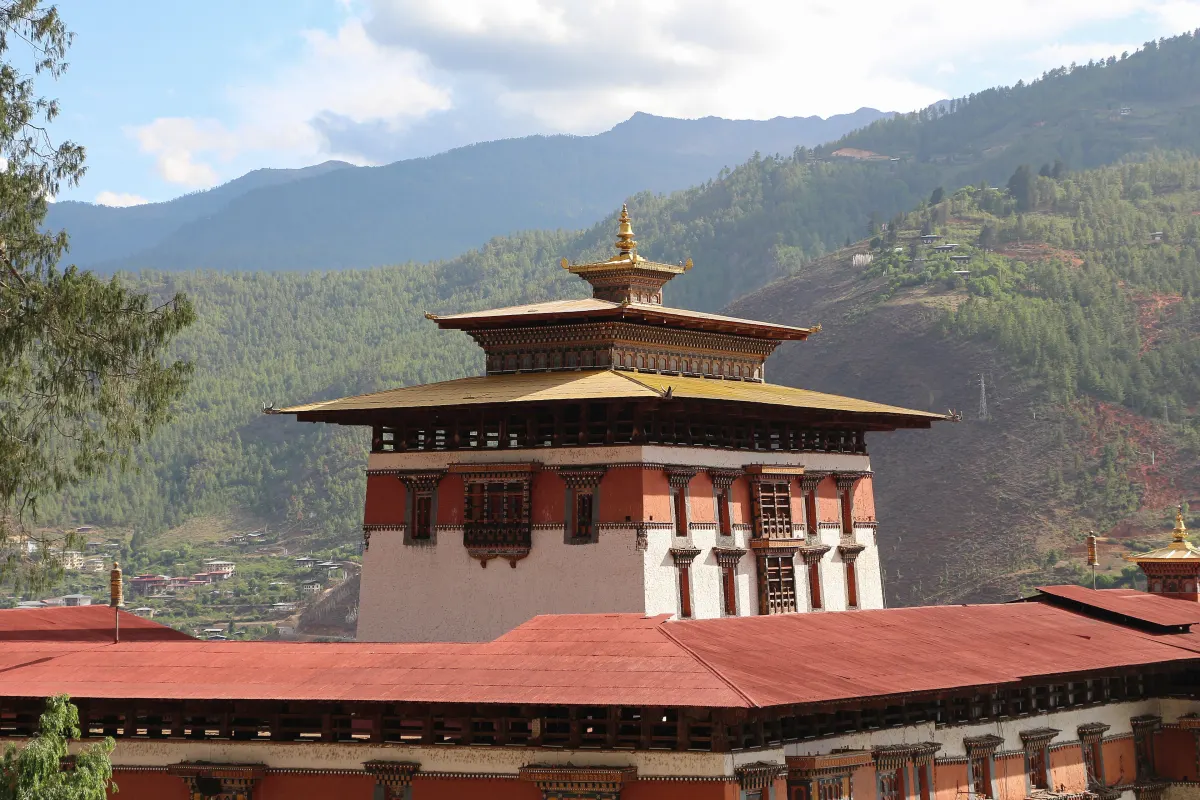
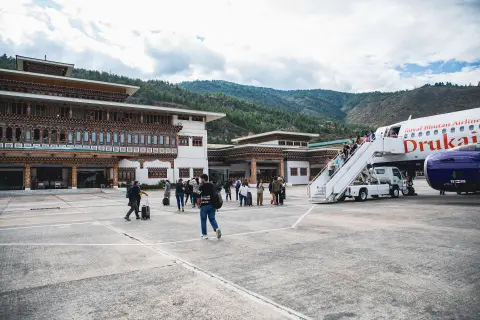
Bhutan ended its old system of compulsory all-inclusive packages at a minimum daily price in 2022. Now you pay the government's Sustainable Development Fee (SDF), and buy everything else separately or as a package. You still need a licensed guide, a car with a driver, and certified hotels, so most visitors from far away still use a Bhutanese tour operator, who can also arrange the visa and flights to Paro.
Tour operator or independent?
- A private tour with a Bhutanese operator is the easiest and most common way: your own guide, driver and car, on your own dates and route. Booking directly with an operator in Bhutan is often cheaper than through an agency at home, though you have less protection if something goes wrong.
- A small-group tour with an international company costs less for single travellers, and you share the guide and bus.
- Independently: you can apply for your own visa, book hotels yourself, and hire a guide and a car with a driver. It takes more organising and doesn't always save much. You can't rent a car to drive yourself, and you can't simply turn up and wander around alone.
- The Department of Tourism lists certified operators, guides and hotels at services.bhutan.travel. There are well over a thousand registered operators, so check reviews, and that yours is on the list, before you send money.
- From India, many visitors come on a package by road through Phuentsholing. Budget tours share vehicles and stay in simple hotels.
What a package usually includes
- The SDF and visa fee (but not always: ask).
- An English-speaking guide, and a car or minibus with a driver and fuel. Guides are also licensed in other languages.
- Hotels, usually three-star unless you pay more, and breakfast, or often all meals.
- Airport pick-up, and entry fees to monuments.
Usually not included: flights to Paro, drinks, tips, travel insurance, laundry, the horse up to Tiger's Nest, hot stone baths, and extras such as archery or rafting.
Working out the cost
- Start with the fixed costs: US$100 a night SDF per adult and US$40 for the visa. Five nights is US$540 each before you've paid for anything else. See Arriving in Bhutan for children's rates and the Indian rate.
- Then add the hotel, guide, car and meals, shared between your group. Two people travelling together pay much less each than one person alone.
- Since January 2026, a 5% Goods and Services Tax has applied to most services, including hotels, guides, transport and flights, but not to the SDF. Ask whether a quote includes it.
- Prices and crowds are highest in the spring and autumn, and around the big festivals. Winter and summer are often cheaper, with a better choice of hotels. See When to go.
Questions to ask before you pay
- Is the SDF, visa and GST included, and for how many nights? Ask for an itemised quote.
- Which hotels, by name? Are all meals included, and can you eat in local restaurants rather than hotel buffets?
- Is the guide a licensed guide, and for a trek, a licensed trekking guide? On a trek, what tents, food, horses and emergency communications are provided?
- How long are the drives each day? See Getting around.
- What happens if your flight to Paro is cancelled, or a road is blocked? What's the refund policy?
- Can you change the plan as you go? On a private tour, you usually can: if you'd rather walk than see another dzong, say so.
Where you'll stay
- Tourists stay in certified hotels, from one star to five, homestays or campsites. Most are in Paro, Thimphu and Punakha, with fewer further east. Luxury lodges are among the most expensive in Asia.
- Farmhouse homestays, in places such as the Phobjikha Valley, Haa and Bumthang, are simple and friendly, with home cooking and sometimes a hot stone bath.
- Outside the main towns, expect simple rooms, a wood stove or electric heater, and the odd power cut. In winter, ask about heating.

Phobjikha Valley
A wide glacial valley in central Bhutan, where rare black-necked cranes arrive from Tibet each winter (late October to February).
Monument fees
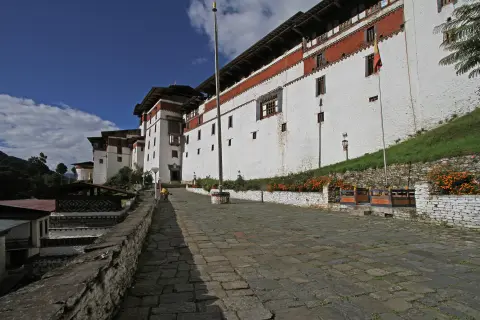
Only seven sites charge tourists an entry fee, under the list published in 2023: Nu 1,000 for Tiger's Nest (Taktsang), and Nu 500 each for Kyichu Lhakhang, Changangkha, the Memorial Chorten and Tashichho Dzong in and around Thimphu and Paro, and Punakha Dzong and Chimi Lhakhang. It's half price for ages 6 to 18, and free for younger children. Most other dzongs and temples are free.

Tiger's Nest Monastery (Paro Taktsang)
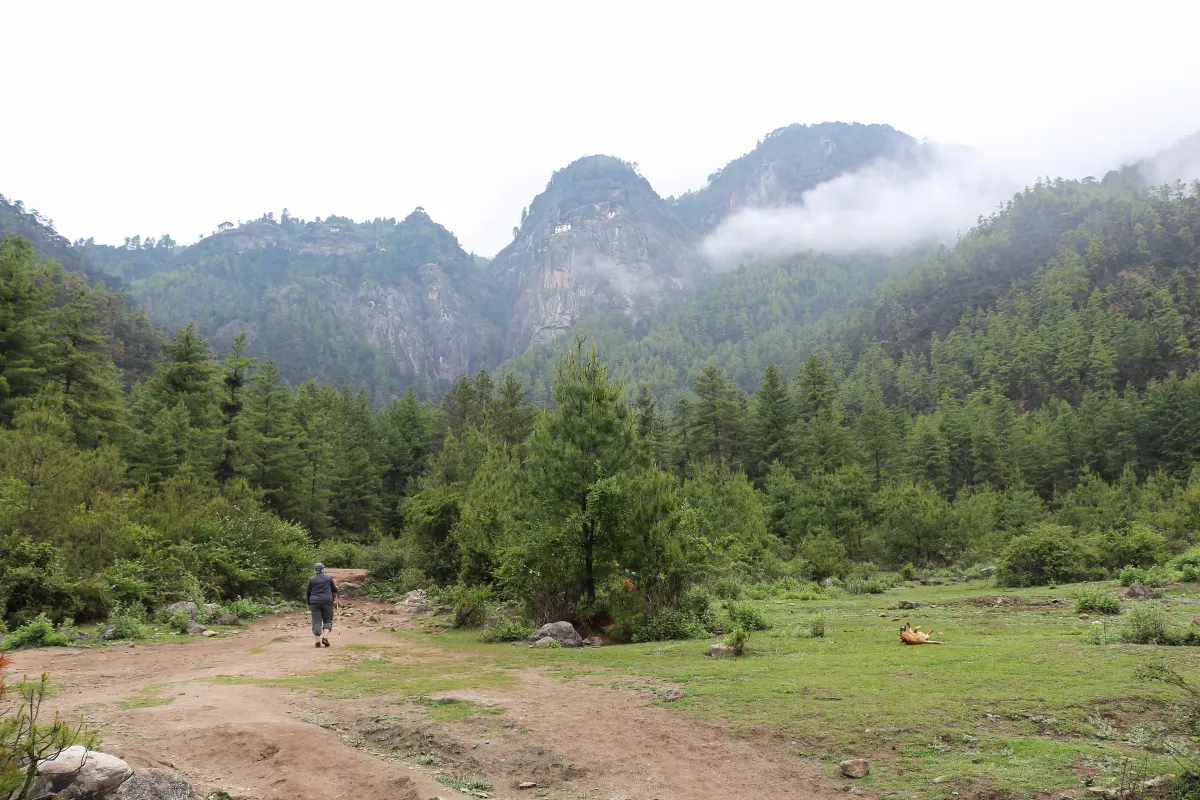
Bhutan's most famous sight: a monastery clinging to a cliff 900 m above the Paro valley, where Guru Rinpoche is said to have arrived on the back of a…
How long do you need?
Five or six days is enough for Paro, Thimphu, Punakha and Tiger's Nest: see 6 days in Bhutan. With ten days or more, you can go on to Phobjikha and Bumthang: see 11 days in Bhutan. For walkers, see Trekking in Bhutan; to time your trip for a festival, see Festivals.
Comments
No comments yet.