Practical advice
10 days in Italy by train: Rome, Florence, Siena and Venice
Rome, Florence and Venice are the obvious first trip to Italy, and fast trains make it easy: each leg is about two hours.
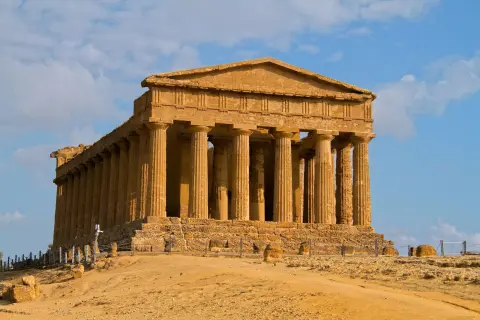
Sicily has Greek temples, Arab and Norman churches, baroque towns, beaches, a live volcano and superb food.
The Bay of Naples has a great city, buried Roman towns, a volcano, an island and the most famous coast in Italy, all joined by trains, boats and buses.
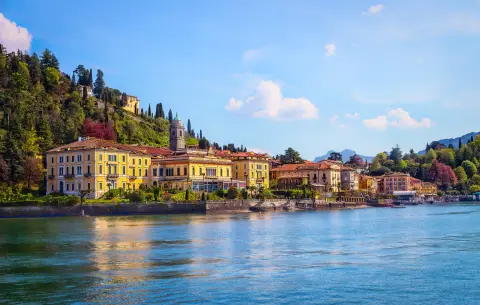
Trains and boats join Milan, two of the great lakes and Verona, so you can have gardens, villages, mountains and Roman ruins without a car.
Italy is in the Schengen area, the group of European countries with no routine passport checks between them.
A few sights sell out days or weeks ahead, and resellers fill the gap at several times the price.
Italians are forgiving of visitors, but manners matter, and so does looking presentable.
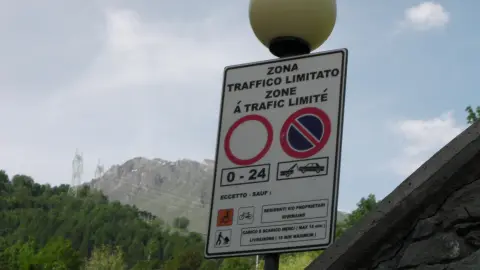
Hire a car for Tuscany's hills, Puglia, Sicily, Sardinia and the Dolomites, and leave it out of the cities.
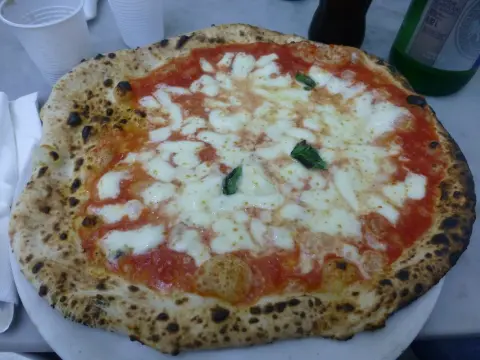
There's hardly such a thing as Italian food: there's the cooking of Naples, Bologna, Rome, Sicily and every town between.
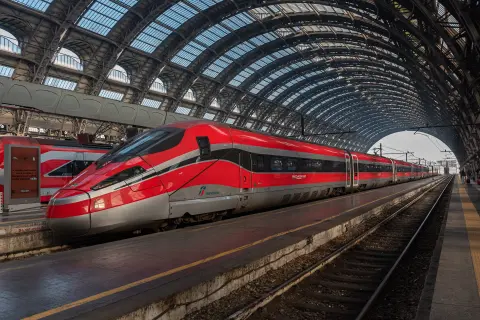
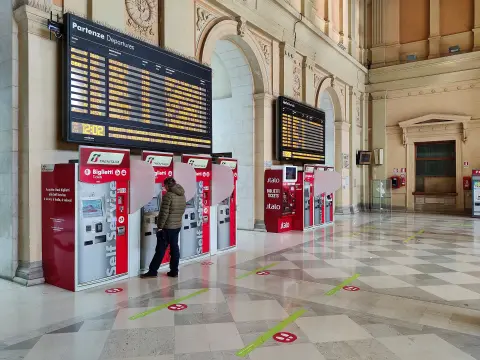
Italy's trains are the best way to travel between the cities: fast, frequent and, if you book ahead, cheap.
Italy has good public hospitals and excellent pharmacies.
Italy uses the euro. You can pay by card nearly everywhere, a tip is never expected, and the extra line on your restaurant bill is probably the coper…
You'll have a good 4G or 5G signal almost everywhere in Italy, except in some mountain valleys, on small islands and on long stretches of railway tun…
Italy is a safe country to visit, and violent crime against tourists is rare.
The best months for most trips are May, June, September and early October: warm, long days, and everything open.
Italy has every kind of place to sleep, from palace hotels to farms among the vines.