
Safety in Italy: pickpockets and scams, the sea and mountains, Vesuvius, Etna and Stromboli, and earthquakes
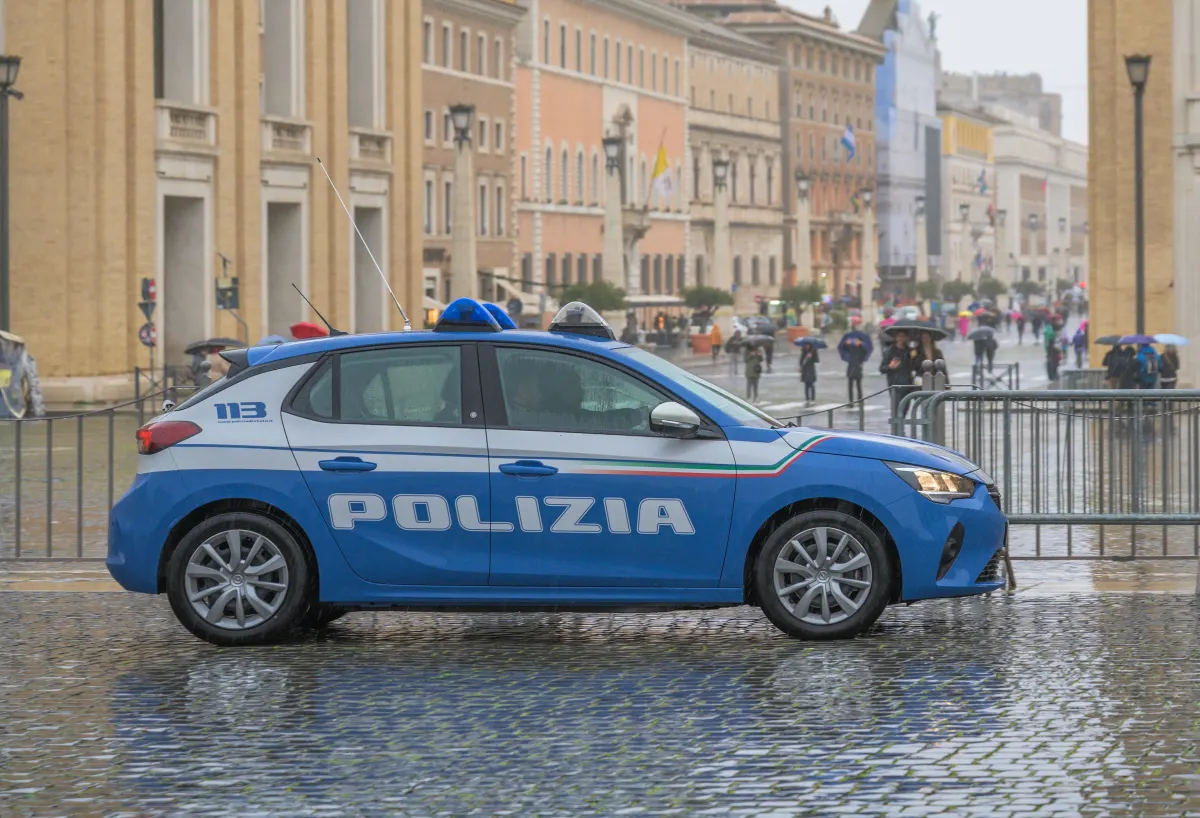
Italy is a safe country to visit, and violent crime against tourists is rare. The likeliest trouble is a pickpocket. More serious accidents happen in the sea and the mountains.
Emergency numbers
- 112 for any emergency, free from any phone, usually with English-speaking operators. The older numbers still work: 118 ambulance, 115 fire, 113 police.
- 1530: the coastguard, for trouble at sea.
- Carry photo ID: the police can ask for it at any time.
Pickpockets and bag thieves
- They work in crowds: Rome's Termini station, metro lines and buses to the Vatican, the Colosseum and Trevi Fountain; Milan's Centrale and Duomo; Florence's markets and station; the vaporetti in Venice; the Circumvesuviana train at Naples; and the Leaning Tower.
- Keep your phone and wallet out of back pockets, and your bag closed and in front of you. Don't hang it on a chair or leave a phone on a café table.
- On trains, put your main bag where you can see it, and take care when the doors are about to close.
- In Naples, Rome and Catania, thieves on scooters snatch bags: wear yours on the side away from the road.
- Cars: leave nothing in view. Someone who points out a flat tyre or asks for help may have a friend behind your car.
- If you're robbed, report it to the police (denuncia) for your insurance. If your passport goes, you also need papers from your consulate: a police report alone won't get you home.
Scams
- A bracelet, rose or "gift" pushed into your hand, then a demand for money. A petition, a spilled drink or a crowd round you is a distraction.
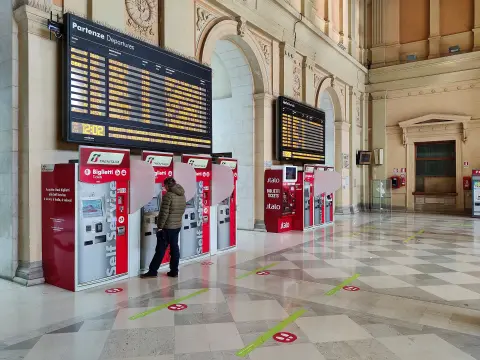
- Helpers at ticket machines and with luggage at stations.
- Men dressed as gladiators who want to be paid for a photo.
- Fake police who ask to look in your wallet. Real police don't: offer to go to the station.
- Unlicensed taxis, and taxis with "no meter". Use white cabs from a rank or an app, and know the fixed airport fares.
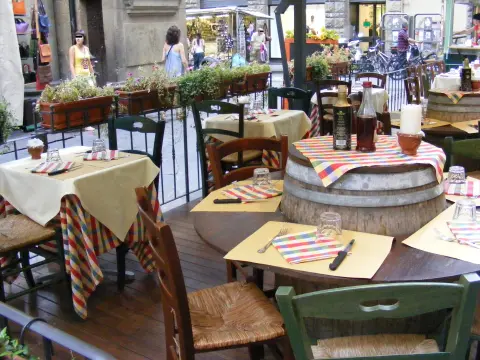
- Restaurants that don't show prices. Check the menu, and the weight of fish and steak.
- Ticket sellers round the Colosseum and the Vatican. Use official websites: see Museums and sights.
- Fake parking attendants, and fake holiday lets: book through a site that protects your payment.
- Don't leave drinks unattended: spiking followed by robbery happens.
The sea
- Red flag: don't swim. Yellow: no lifeguard, or take care. White: safe, with a lifeguard. Lifeguards generally work only in summer and in the daytime.
- Waves and rip currents are dangerous even in fine weather after a storm. Currents are strong in the Strait of Messina and the Strait of Bonifacio.
- Stay away from cliffs: rockfalls have killed people on beaches. Wear shoes on rocks, for the sea urchins. Boats must keep away from bathers: swim inside the buoys.
Mountains and skiing
- Start early in summer: thunderstorms are common in the afternoon in the Alps, Dolomites and Apennines. Check the forecast, take warm and waterproof clothes, and turn back in time.
- A via ferrata needs a helmet, harness and proper lanyard, and some experience. Wear real boots on the paths of the Cinque Terre: sections often close after landslips.
- Huts (rifugi) are mostly open from mid-June to September. Snow lies late on high passes.
- There are brown bears in Trentino and Abruzzo. Talk as you walk, keep dogs on a lead, never go near one, and follow the local rules.
- Skiing: since 1 November 2025 a helmet is compulsory for everyone, whatever their age, on skis, snowboard, sledge or toboggan. You must have third-party insurance, which you can buy with the pass. Off piste you must carry an avalanche transceiver, probe and shovel. Read the bulletin at AINEVA.
Volcanoes
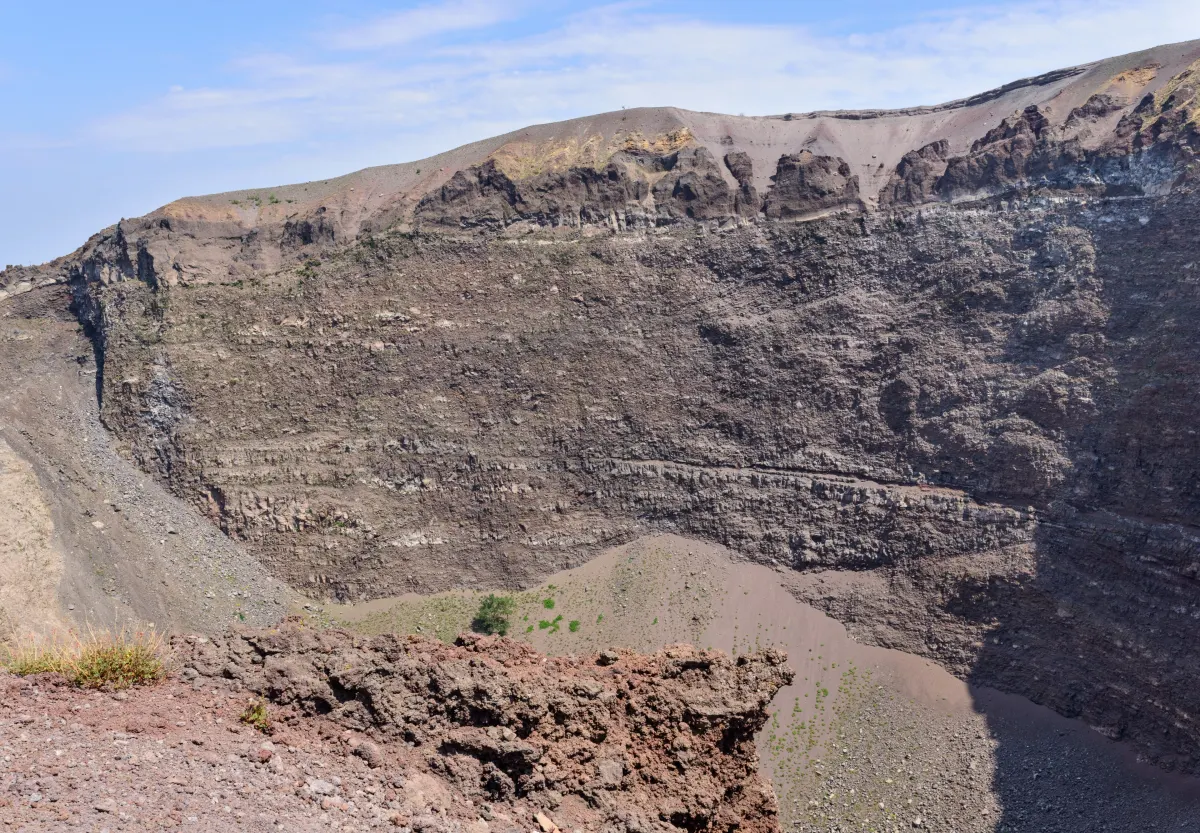
- Vesuvius: quiet since 1944 and closely watched. Tickets for the crater path, the Gran Cono, are sold only online, for a set time. It closes in bad weather.
- Campi Flegrei, the volcanic area west of Naples around Pozzuoli: the alert has been yellow for years, with frequent small earthquakes and the ground rising. Sights there close at short notice. The authorities say there's no proof that magma is rising.
- Etna (yellow): very active. You can walk lower down on your own, but near the summit you need an authorised guide and the height limits change with the activity, so ask on the day. Ash can close Catania airport.
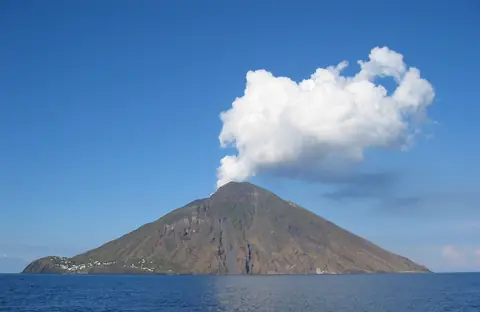
- Stromboli (yellow): you can walk by yourself only to about 290 m, and with a guide to about 400 m. The summit is closed. If the sirens sound, follow the signs away from the sea: there's a risk of a tsunami.
- Check the levels and rules with Civil Protection and INGV just before you go. Never climb past a barrier.
Natural features
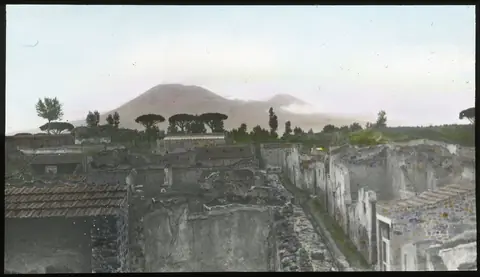
Mount Vesuvius
Trecase, Naples
The volcano that destroyed Pompeii and Herculaneum in 79 AD, and last erupted in 1944, rising above the Bay of Naples.
Natural features
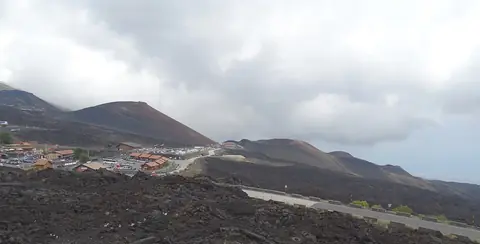
Mount Etna
Nicolosi, Catania
Europe's highest and most active volcano, about 3,300 m, dominating eastern Sicily.
Natural features
Stromboli
Sicily
One of the world's most active volcanoes, erupting every few minutes.
Earthquakes
Small ones are common, and strong ones happen, mostly along the Apennines and in the south and north-east. Official advice:
- Indoors: take cover in a doorway in a load-bearing wall, beside such a wall, under a beam, or under a sturdy table. Keep away from things that could fall. Don't rush outside until the shaking stops.
- Outside: move away from buildings, trees, lamp posts and power lines.
- Afterwards: put on shoes, turn off the gas, don't use the lift, and go to an open space or a marked waiting area. Near the coast, go to higher ground. Use the phone only if you must.
Floods, fires and high water
- Autumn storms bring floods and landslides. Regions give yellow, orange and red weather alerts. On a red one, stay put, away from rivers, underpasses and basements.
- Wildfires are a summer risk in the south and the islands.
- In Venice, high water (acqua alta) comes mostly from October to January. The MOSE barriers now keep out the worst, but low squares can still flood.
See also Health and insurance and Driving.
Comments
No comments yet.