
Driving in Italy: ZTL zones and fines, motorways and tolls, licences, parking and mountain roads
Hire a car for Tuscany's hills, Puglia, Sicily, Sardinia and the Dolomites, and leave it out of the cities. The roads are good and most drivers are skilled, if impatient. What catches visitors out is the ZTL: cameras that send a fine months after you get home.
ZTL: limited traffic zones
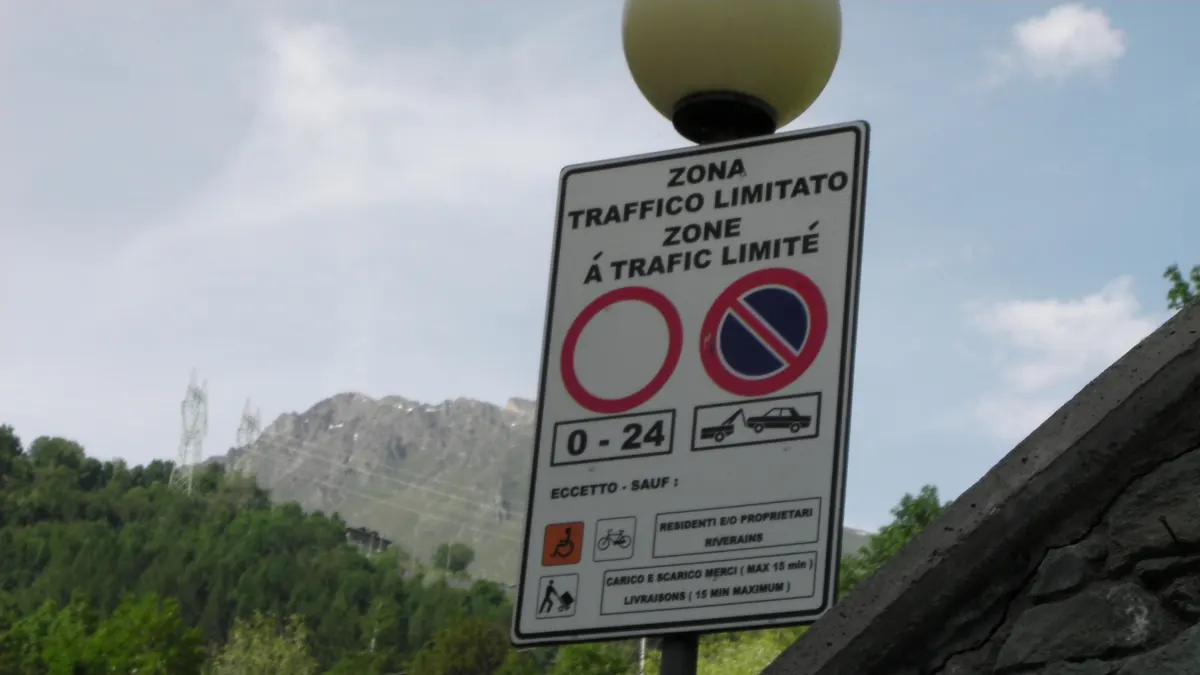
- The centres of most old towns and cities are a zona a traffico limitato. A sign with a red circle on white and the words zona a traffico limitato or ZTL marks the way in, and a camera reads every number plate.
- Look for the hours under the sign, and any light board: varco attivo means the zone is on (don't enter), and varco non attivo means it's off. They're easy to misread.
- There's a separate fine each time you pass a camera, often €80 to €100 or more, and the hire company adds its own fee for giving your name. They can arrive up to a year later.
- Sat nav apps don't reliably avoid them. Park outside and walk, or take a tram or bus.
- If your hotel is inside, ask before you come if it can register your number plate, for how long, and which way to drive in.
- Bus lanes (corsia preferenziale) and pedestrian areas have cameras too.
- Florence, Rome, Pisa, Siena, Bologna, Verona, Lucca, Palermo and dozens of smaller places have a ZTL.
Low emission zones and charges
- Milan charges to drive into the centre (Area C, €7.50 a day in 2026), and bars older vehicles from most of the city (Area B). Reports differ on whether Area C now also runs at weekends, so check before you go.
- Rome restricts older vehicles in a wide fascia verde. Cities in the north can add limits on smoggy winter days.
Licence and papers
- EU licences are accepted. So are UK photocard licences. If you have an old paper one, get a photocard or an international driving permit.
- With a licence from the USA, Canada, Australia, New Zealand and most other countries, you need an international driving permit (or an official Italian translation) as well as your licence. Get it at home. Hire desks don't always ask, but the police can fine you without it.
- Carry your passport, the car's papers and your insurance.
- Hire companies often want drivers to be 21 or more and to have held a licence for a year, and a credit card in the driver's name. Consider full cover: scratches are common in narrow streets.
Rules of the road
- Drive on the right. Give way to traffic from the right unless signs say otherwise.
- Speed limits: motorways 130 km/h (110 in rain or snow), main dual carriageways 110 (90 in bad weather), other country roads 90, towns 50, and 30 in some streets.
- Fixed cameras are common. The Tutor system on motorways measures your average speed.
- Alcohol: 0.5 g per litre, and zero for anyone who has had a licence for less than three years. Penalties for using a phone are heavy.
- Use dipped headlights outside towns, day and night. Seat belts are compulsory, and small children need a proper seat. Cars carrying children under four must have an anti-abandonment alarm if registered in Italy.
- Carry a warning triangle and wear a reflective jacket if you get out on a main road.
- Pedestrians have priority on crossings. Don't expect the car behind you to know that.
Motorways and tolls
- Motorways (autostrade, green signs) mostly have tolls. Take a ticket when you join, and pay when you leave. Blue signs are ordinary main roads, with no toll.
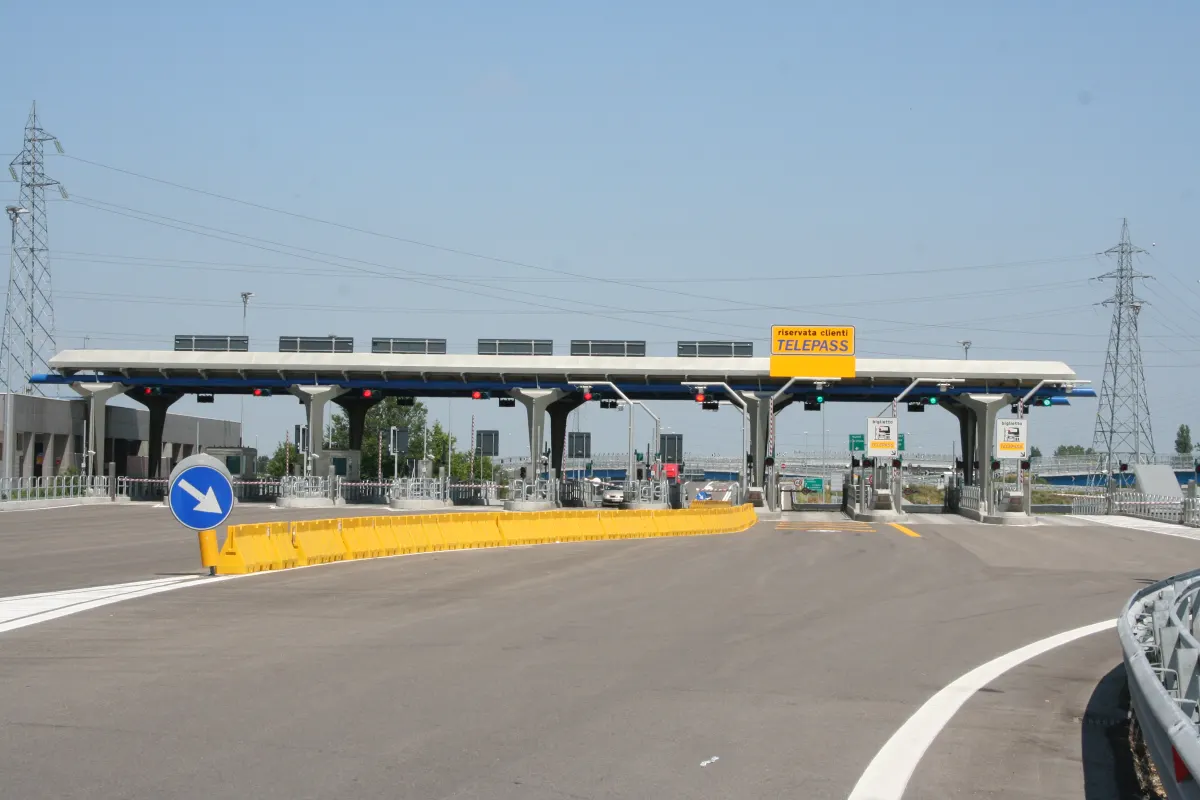
- At the toll, the yellow Telepass lanes are for cars with a box only: keep out. Use a lane that shows coins and notes or cards. If you enter the wrong one, press the help button, don't reverse.
- A few motorways north of Milan (including the A36 Pedemontana) have no barriers: cameras read the plate and you pay online within about two weeks, on the operator's site.
- Fuel: fai da te or self is cheaper than servito. Benzina is petrol and gasolio is diesel. Automatic pumps may hold a large sum on your card for a few days.
Parking
- White lines are free (sometimes with a time limit, for which you need a disco orario showing when you arrived). Blue is pay and display. Yellow is for residents or people with a permit.
- Look for zona rimozione (tow-away) and street cleaning signs.
- Leave nothing in sight. Thefts from parked cars, at beaches and viewpoints especially, are common.
Where driving is hardest
- The Amalfi Coast (road SS163): on many days from spring to autumn, plates ending in an odd number can't drive on odd dates, or even on even dates, between 10 am and 6 pm. In 2026 it applied every day in August and September, at Easter, and on weekends in June, July and October. Dates are set every year. There's almost nowhere to park. Take the boat or bus: see Naples and the Amalfi Coast.
- Naples, Palermo and Catania: pick up the car as you leave town.
- The Dolomites: some valleys must be booked. The road to the Tre Cime takes cars only with an online booking (€40 in 2026), and opens from about late May to October. The road up to Alpe di Siusi is normally closed to private cars from 9 am to 5 pm, and the Lake Braies valley is restricted in summer (in 2026, 1 July to 15 September).
- High passes, such as the Stelvio, are closed by snow from autumn until late spring.
Winter
From 15 November to 15 April many roads, including motorways through the mountains, require winter tyres or chains on board. Ask for them when you book a hire car.
Good trips by car: Val d'Orcia, Chianti, the Gargano, Puglia and the trulli of Alberobello, the hills around Varzi and Zavattarello south of Milan, and 10 days in Sicily.
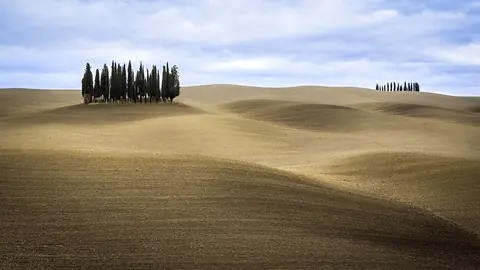
Val d'Orcia
The classic Tuscan landscape of rolling hills, cypress-lined roads, golden wheat fields and hilltop towns, a UNESCO World Heritage Site in southern T…
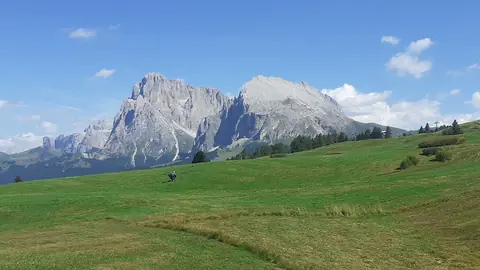
Alpe di Siusi and Seceda, Dolomites
The Alpe di Siusi (Seiser Alm) is Europe's largest high alpine meadow, a rolling plateau of pastures, wooden huts and wildflowers below the jagged pe…
Comments
No comments yet.