
Money in Italy: cards, cash, ATMs, tipping and the coperto, restaurant bills and tax-free shopping
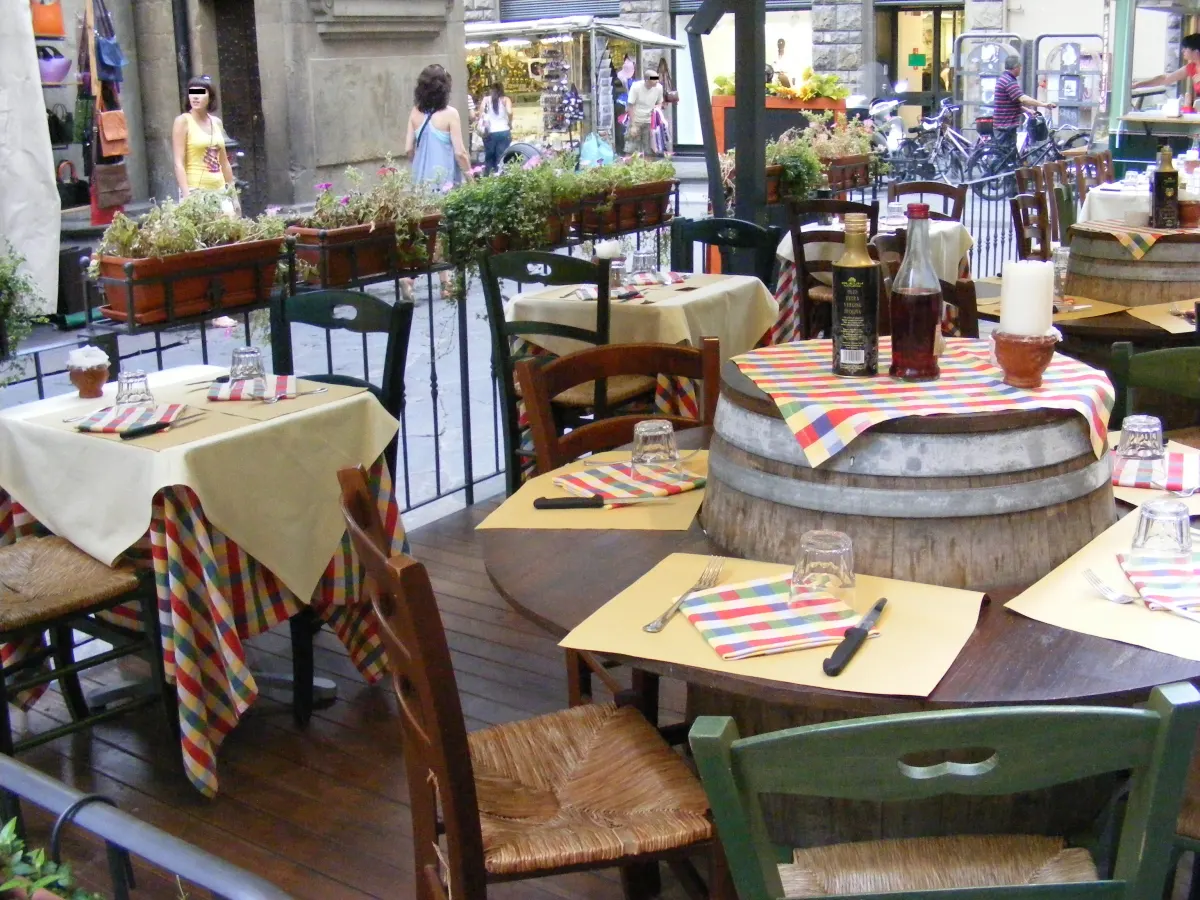
Italy uses the euro. You can pay by card nearly everywhere, a tip is never expected, and the extra line on your restaurant bill is probably the coperto.
Cards and cash
- Shops, restaurants, taxis and hotels are required by law to accept cards, and contactless and phone payments are normal. Visa and Mastercard work everywhere, American Express less so.
- Carry some cash anyway, in small notes, for markets, small bars, beach umbrellas, church lights, public toilets and when "the machine isn't working".
- If the terminal offers to charge you in your own currency, choose euros.
- There are legal limits on large cash payments, in the thousands of euros. Hotels may turn down big bills in cash.
Cash machines
- A cash machine is a Bancomat. Use one at a bank (or a Postamat at a post office). The standalone machines in tourist streets have high fees and poor rates.
- Say no to conversion, cover your PIN, and use a machine indoors if you can.
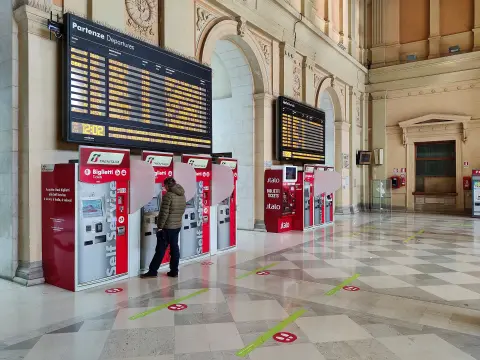
- Exchange offices at airports and stations give bad rates.
The restaurant bill
- Coperto (cover charge): a fixed sum per person, usually about €1.50 to €3.50 and more in famous places, which pays for bread and the table. It's legal, and it must be on the menu. You can't refuse it because you didn't eat the bread. In Rome and the rest of Lazio it's often called pane instead.
- Servizio: a service charge, perhaps 10 to 15%, found mostly in tourist areas and for big groups. It must be on the menu too. If you pay it, don't tip.
- Fish and steak are often priced per 100 g (all'etto). Ask to see it weighed and what it will cost before you say yes.
- Water, bread and small starters brought without asking may be charged.
- Ask for the bill: Il conto, per favore. It isn't brought until you do. Take the receipt.
Tipping
- Staff are paid a wage, so tipping is optional. Italians round up, or leave a few euros after a good meal.
- Bars: a small coin with your coffee, if you like. Taxis: round up. Porters: a euro or two a bag. Guides: a little if they were good.
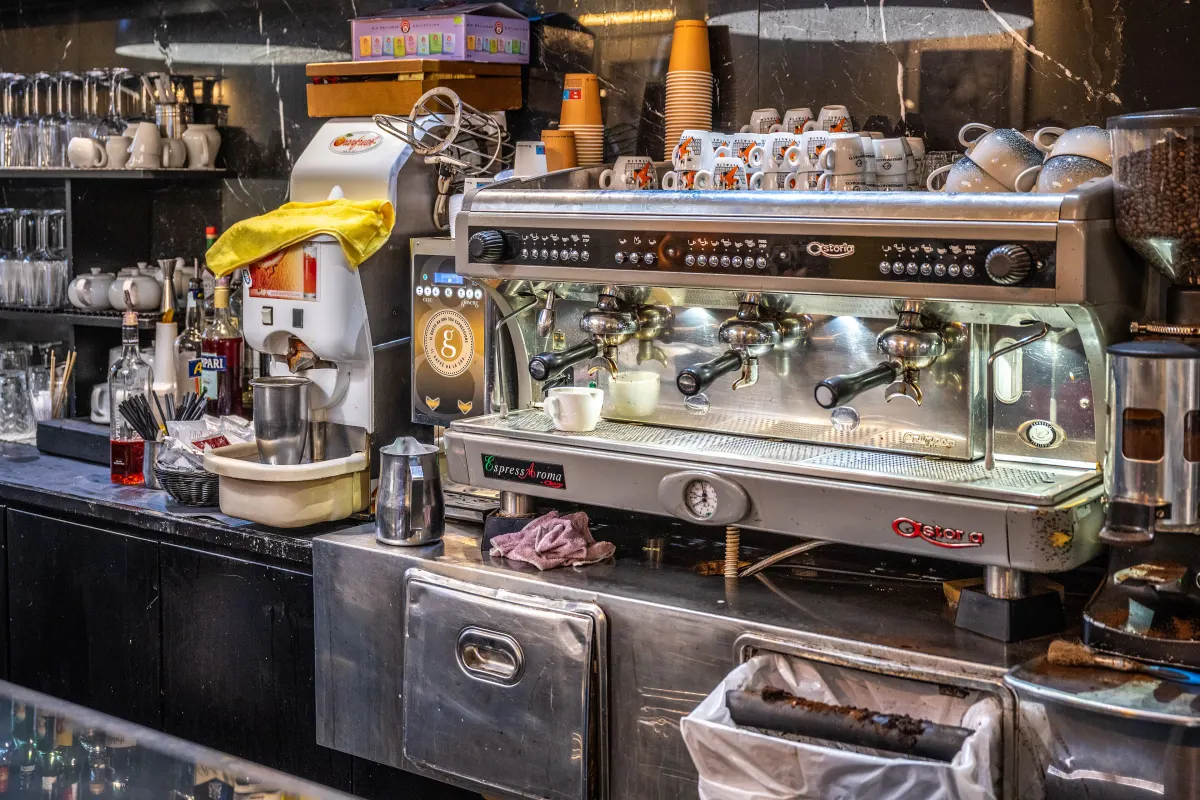
At the bar or at a table?
- A coffee costs least standing at the bar (al banco): an espresso is generally somewhere between €1.10 and €1.50. Sitting down (al tavolo) can double or triple it.
- On famous squares such as St Mark's in Venice, expect very high prices, and a music charge if there's an orchestra. Bars must show their prices, so look first.
What things cost
- The north, the big cities, the Amalfi Coast, Capri and the Dolomites are expensive. Puglia, Calabria, Sicily and the inland hill towns are much cheaper.
- City tax is added to your hotel bill, up to about €10 a person a night: see Where to stay.
- Beaches: much of the coast is run by stabilimenti, with umbrellas and loungers for hire. Look for spiaggia libera, a free beach.
- Drinking water is free from fountains, such as Rome's 2,500 or so nasoni.
- State museums are free on the first Sunday of each month, and very busy: see Museums and sights.
- A 30-minute gondola ride has an official price, usually quoted as €90 by day for the whole boat, and more in the evening. Agree it before you get in.
Tax-free shopping
- If you live outside the EU you can get back part of the VAT (IVA) on goods of more than €70 (VAT included) on one invoice.
- Show your passport in the shop and ask for a tax-free form. Check that it has your details and the OTELLO code.
- You must take the goods out of the EU within three months of buying them. Have the form validated at the airport where you leave the EU, before you check in the bag, as customs can ask to see the goods. The refund is paid by the tax-free company, less its fee.
Don't buy fakes
Buying counterfeit bags or sunglasses from street sellers is illegal, and it's the buyer who can be fined.
See also Food and drink and Safety.
Food and drink
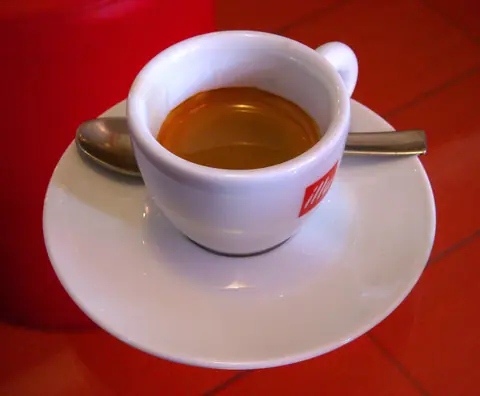
Italian espresso
Naples
Drink 'un caffè' standing at the bar, as Italians do; it's cheaper than sitting.
Food and drink
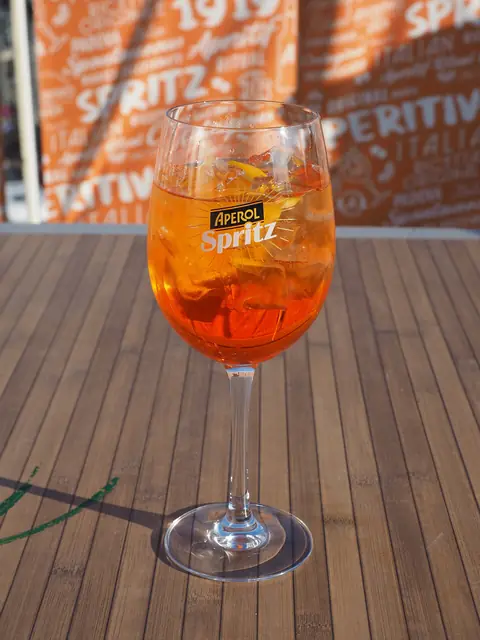
Aperitivo and the spritz
Venice
The early evening drink with snacks, often a spritz of Aperol or Campari with prosecco and soda, from the Veneto.
Comments
No comments yet.