
Culture and etiquette in Italy: greetings, dress in churches, opening hours, August and Monday closures and fines
Italians are forgiving of visitors, but manners matter, and so does looking presentable. Two things catch people out: shops and sights that are shut when they expected them open, and fines for things that seem harmless.
Greetings
- Say buongiorno (in the evening, buonasera) when you go into a shop, a bar or a lift, and arrivederci when you leave. Ciao is for friends and young people.
- Per favore (please), grazie (thank you), prego (you're welcome, after you, can I help?), permesso (excuse me, to get past) and scusi (sorry).
- Shake hands when introduced. Friends kiss on both cheeks.
- Use Lei, the polite "you", with older people and officials. Any Italian you try will be welcomed.
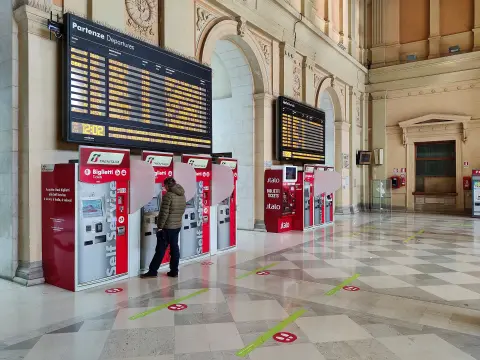
- In shops, pharmacies and at deli counters, take a number if there's a machine, or ask who's last: Chi è l'ultimo?
Churches
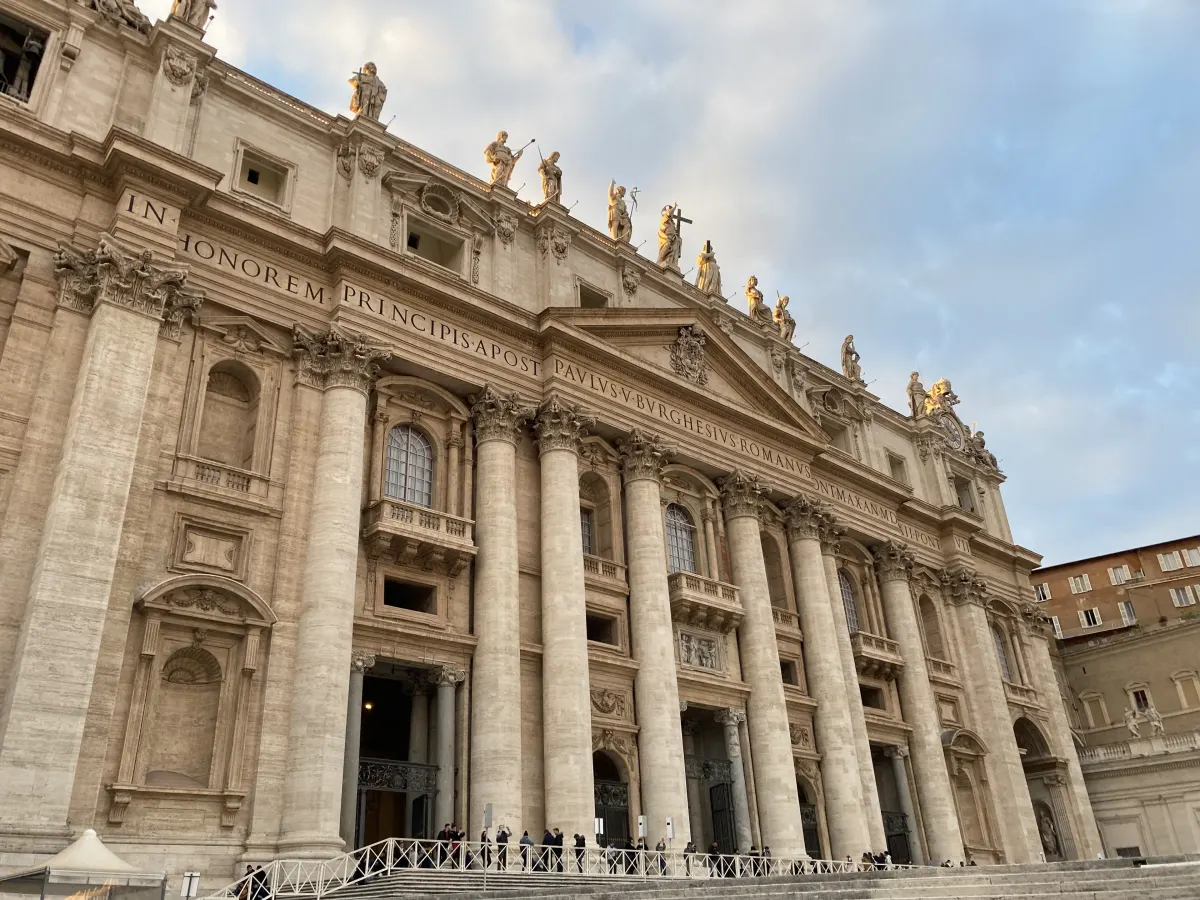
- Cover shoulders and knees, men as well as women. It's enforced at St Peter's, the Vatican Museums, St Mark's and Milan Cathedral, among others. Carry a scarf in summer.
- Don't walk about during Mass, take off your hat, speak quietly, and look for signs about photos. Photography isn't allowed in the Sistine Chapel.
- Many churches close from noon until 3 or 4 pm. Some famous ones charge for entry, and some have a coin box that lights a painting.
When things are closed
- Lunch: outside the big cities, shops, churches and offices close from about 1 to 3.30 or 4 pm (riposo or pausa pranzo), then stay open until 7.30 or 8.
- Monday: many museums are closed, including the Uffizi, the Borghese Gallery and the Last Supper, and so are many restaurants and, on Monday mornings, shops. The Vatican Museums are closed on most Sundays instead.
- Sunday: small shops close, except in tourist places, and buses are few.
- August: Italians go on holiday, especially around Ferragosto (15 August). In Rome, Milan and other cities, many family shops and restaurants shut for two weeks or more, while the coast and mountains are packed and dear.
- National holidays are listed in When to go to Italy. Towns also close for their patron saint's day, such as 24 June in Florence, 29 June in Rome and 7 December in Milan.
Dress
- Beachwear is for the beach. Walking round town in swimming costume or with no shirt is frowned on, and fined in some resorts, such as Sorrento.
- For dinner and the evening stroll, the passeggiata, people make an effort: smart but casual is fine.
Things that can get you fined
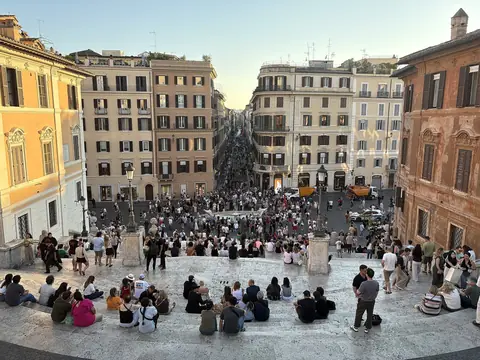
- Sitting on the Spanish Steps or other monuments, or eating and drinking right beside churches and public buildings.
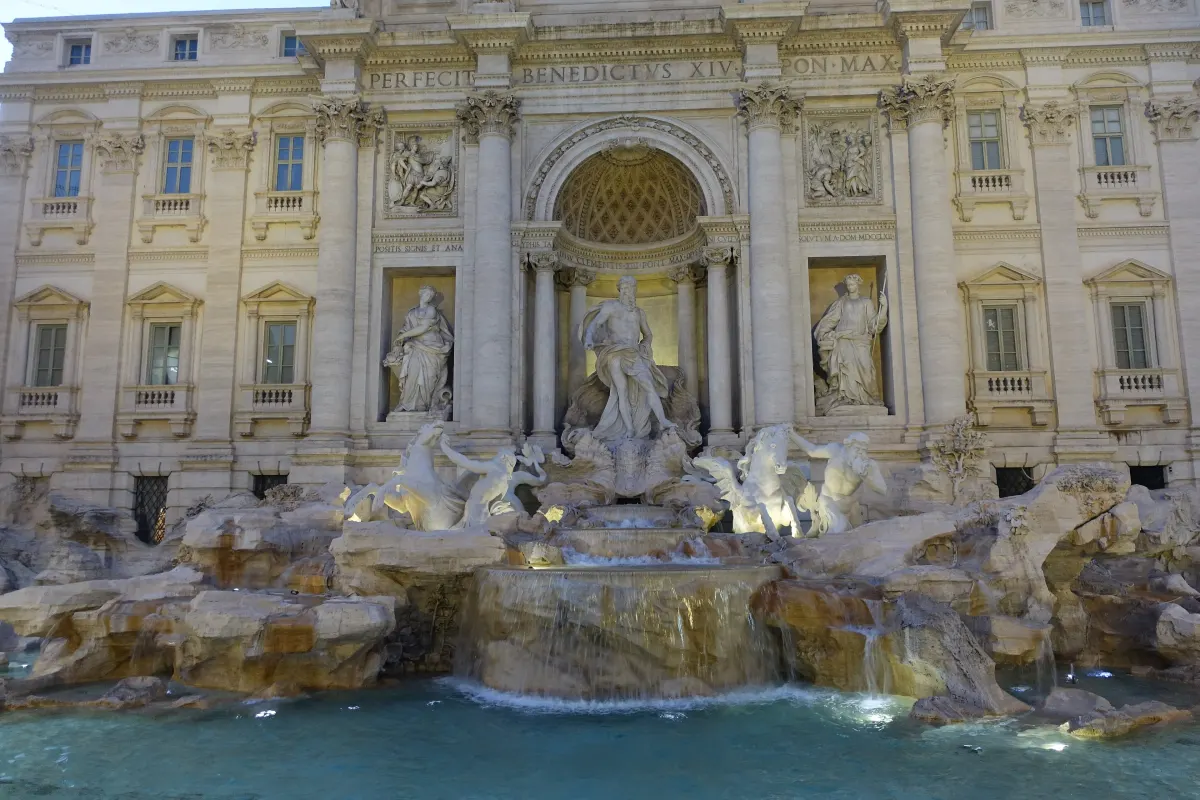
- Paddling or bathing in a fountain or in Venice's canals. At the Trevi Fountain it costs €2 to go down to the edge of the basin in the daytime (9 am to 10 pm). Looking from the square is free.
- Littering, spitting, urinating in public or dropping cigarette ends.
- Scratching or writing on old walls: it's a crime.
- Not having a stamped ticket on a bus or train.
- Crossing the road away from a crossing if there's one within 100 metres.
- Buying fakes, or anything from an unlicensed street seller.
- Taking sand, shells or pebbles from the beach: Sardinia in particular checks bags. Picking protected mountain flowers.
- Taking throwaway plastic to Capri.
- Feeding pigeons in Venice, and wheeling a bike through it.
- Flying a drone in cities, parks and over crowds without permission.
Smoking
- It's banned indoors in public places, and in cars with children or pregnant women. Milan also bans it outdoors, unless you're at least 10 metres from other people. Some beaches are smoke-free.
Customs worth knowing
- Splitting the bill item by item is unusual: people divide it equally (alla romana).
- If you're invited home, bring pastries, wine or flowers (not chrysanthemums, which are for graves). Arrive a little late.
- Italians talk with their hands. The fingers pinched together mean roughly "what do you want?".
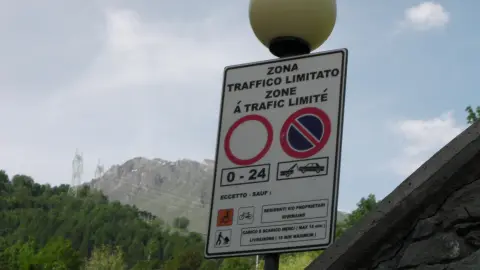
- South Tyrol speaks mostly German, the Aosta Valley some French, and place names there come in two languages.
- Regional pride is strong. Avoid lazy jokes about the Mafia.
See also Food and drink and Museums and sights.
Attractions
Spanish Steps, Rome
Rome
A sweeping 18th-century staircase from Piazza di Spagna to the Trinità dei Monti church.

Historic sites
Pantheon, Rome
Rome
The best-preserved building of ancient Rome, a temple completed around 125 AD and a church since the 7th century.
Towns and cities
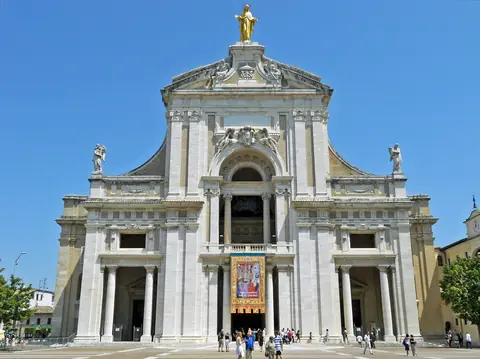
Assisi
Assisi, Umbria
A hill town of pink stone, home of St Francis, with the Basilica of San Francesco decorated with Giotto's frescoes, a World Heritage site.
Comments
No comments yet.