
When to go to Italy: the seasons, weather by region, crowds, holidays, festivals, beaches, walking and skiing
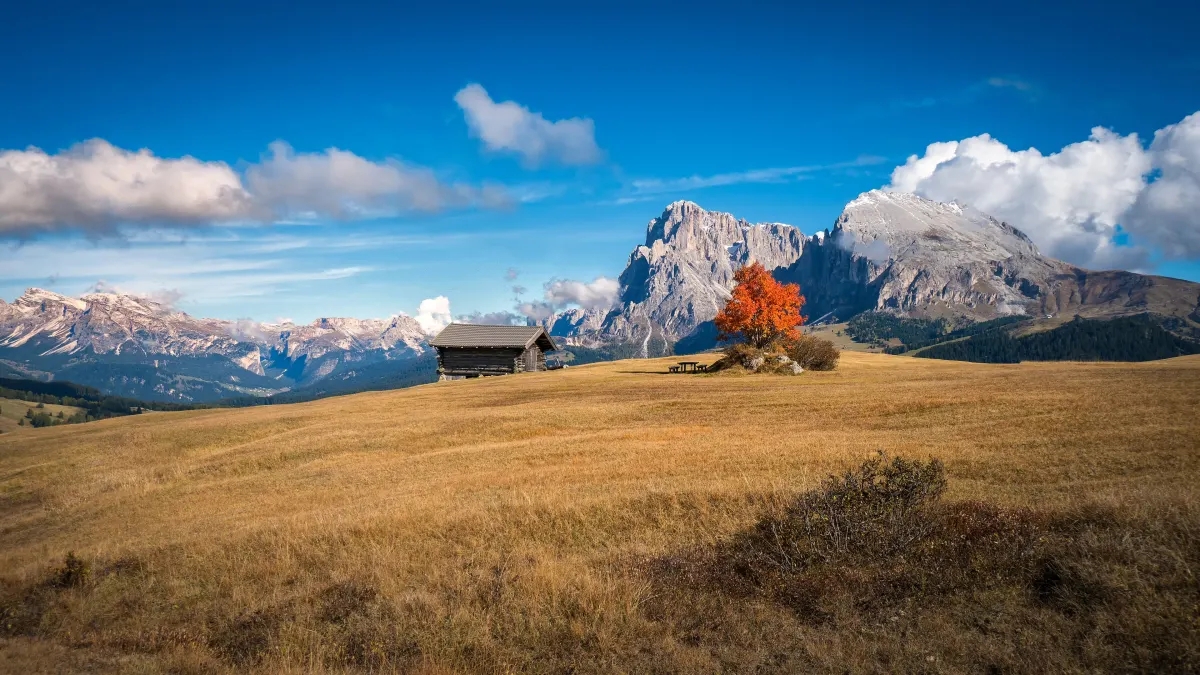
The best months for most trips are May, June, September and early October: warm, long days, and everything open. April and late October are quieter. Avoid the middle of August if you can.
Spring (March to May)
- Mild in the south from March, and everywhere by May, with showers. Flowers are at their best in April and May.
- Very busy at Easter (28 March in 2027), and on the long weekends of 25 April and 1 May.
- The sea is cold until June. Beaches and lake ferries get going from about Easter.
Summer (June to August)
- Hot: 30 to 35°C in the cities, with spells of 40°C in the south and inland. The coast and mountains are cooler.
- June is the best of it. In July and August beaches and the Dolomites are full and at their dearest, and many city shops close in August: see Culture and etiquette.
- Thunderstorms are common in the north and the mountains.
- Good for: the Dolomites, Gran Paradiso, Campo Imperatore and swimming.
Autumn (September to November)
- September is as good as June, with the sea at its warmest. The grape harvest is on, then white truffles, mushrooms and new olive oil.
- October is lovely in Rome, Tuscany and the south. From late October the weather breaks: November is the wettest month in much of the country, with floods and landslides in bad years. Beach resorts and islands shut.
Winter (December to February)
- The quietest and cheapest time for the cities, except at Christmas, New Year and Carnival. Rome and the south are mild, at 10 to 15°C by day. The north is cold and can be foggy. Milan, Venice and Turin are near freezing at night.
- Days are short, so some sites close by 4.30 pm. Museums aren't crowded.
- Skiing runs from early December to early April. Christmas markets are best in Bolzano, Merano and the South Tyrol.
By region
- Alps and Dolomites: walk from late June to late September, in places such as the Dolomiti Bellunesi; huts and lifts close between seasons, in late spring and November.
- Apennines: the parks of Abruzzo, Pollino and the Sila are best from May to October, and have snow in winter.
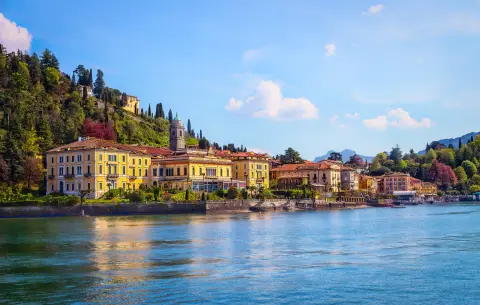
- Lakes: April to October. Garda is sunniest; lots of hotels and gardens close in winter.
- Venice: high water is likeliest from October to January.
- Cinque Terre and Portofino: spring and autumn, but trails close after rain.
- Tuscany and Umbria: April to June, and September to October. Hot springs such as Saturnia are good in cool weather.
- Amalfi Coast, Capri and the islands: May, June, September and early October. Boats are few in winter.
- Sicily, Puglia, Calabria and Sardinia: May, June, September and October. Sicily is fine from March. The hot scirocco wind blows from Africa; the cold maestrale in Sardinia, where beaches like Cea are at their best in June and September.
National holidays
1 January, 6 January (Epiphany), Easter Sunday and Monday, 25 April (Liberation Day), 1 May, 2 June (Republic Day), 15 August (Ferragosto), 4 October (St Francis, a holiday since 2026), 1 November, 8 December, 25 and 26 December. Trains, roads and beaches are busy, and shops are shut. A holiday on a Tuesday or Thursday often becomes a long weekend (ponte, a bridge).
Festivals
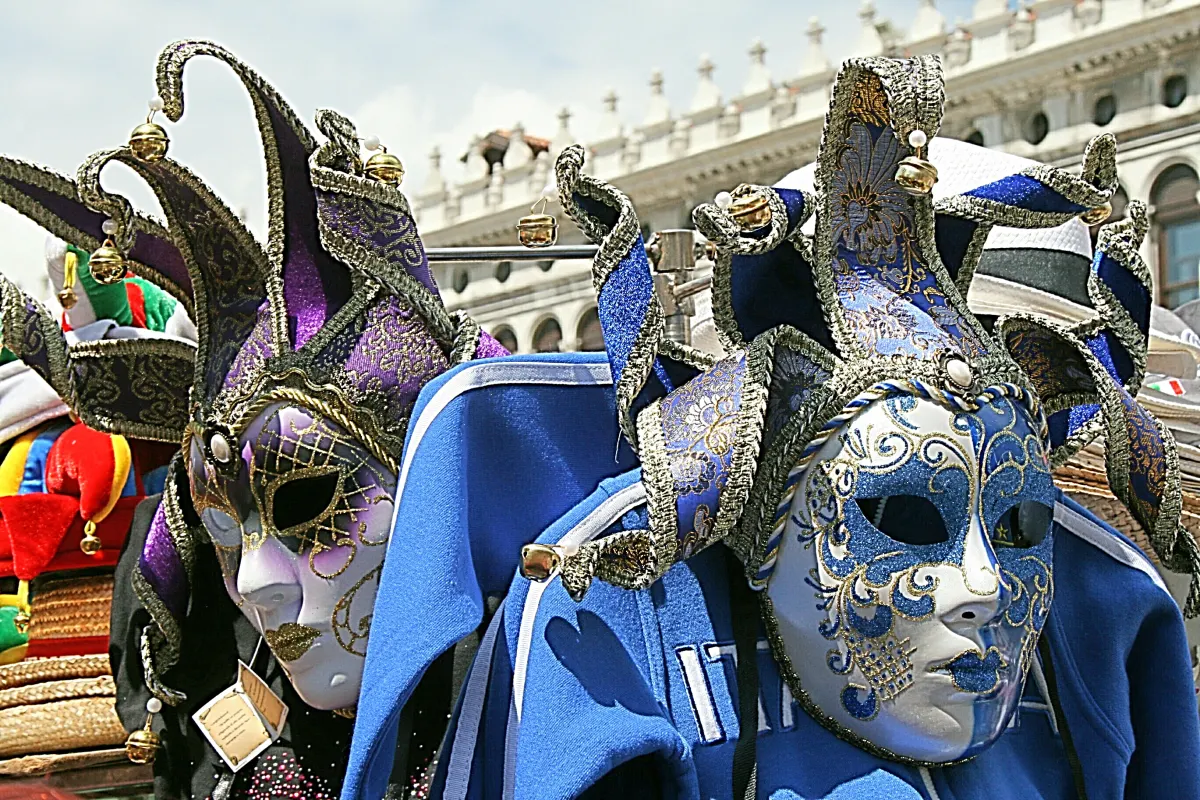
- Carnival: Venice's masks, and the floats of Viareggio, in the weeks before Shrove Tuesday (9 February in 2027).
- Holy Week: processions in Sicily, Puglia and Calabria. In Florence, the Scoppio del Carro on Easter Sunday.
- Infiorata: carpets of flowers in towns such as Noto in May and Spello at Corpus Christi.
- Palio in Siena: 2 July and 16 August.
- Redentore in Venice: fireworks on the third weekend of July.
- Opera in the Arena di Verona from June to early September.
- Food festivals (sagre) everywhere in late summer and autumn.

Arena di Verona
A Roman amphitheatre from the 1st century AD, in remarkably good condition, in Verona's Piazza Bra.
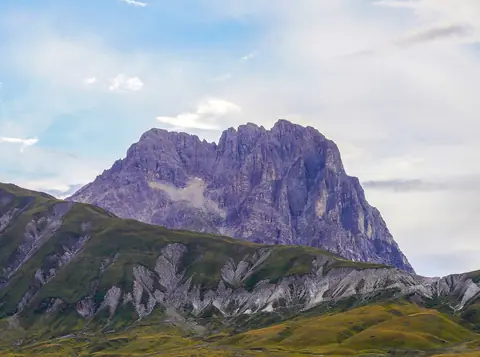
Gran Sasso and Campo Imperatore
The highest peaks of the Apennines around Corno Grande, with Campo Imperatore, a vast high plateau called 'Little Tibet'.
For forecasts, use the air force weather service, Meteo AM. See also Health and Where to stay.
Comments
No comments yet.