
Where to stay in Italy: hotels, agriturismi, mountain huts, rentals and the tourist tax
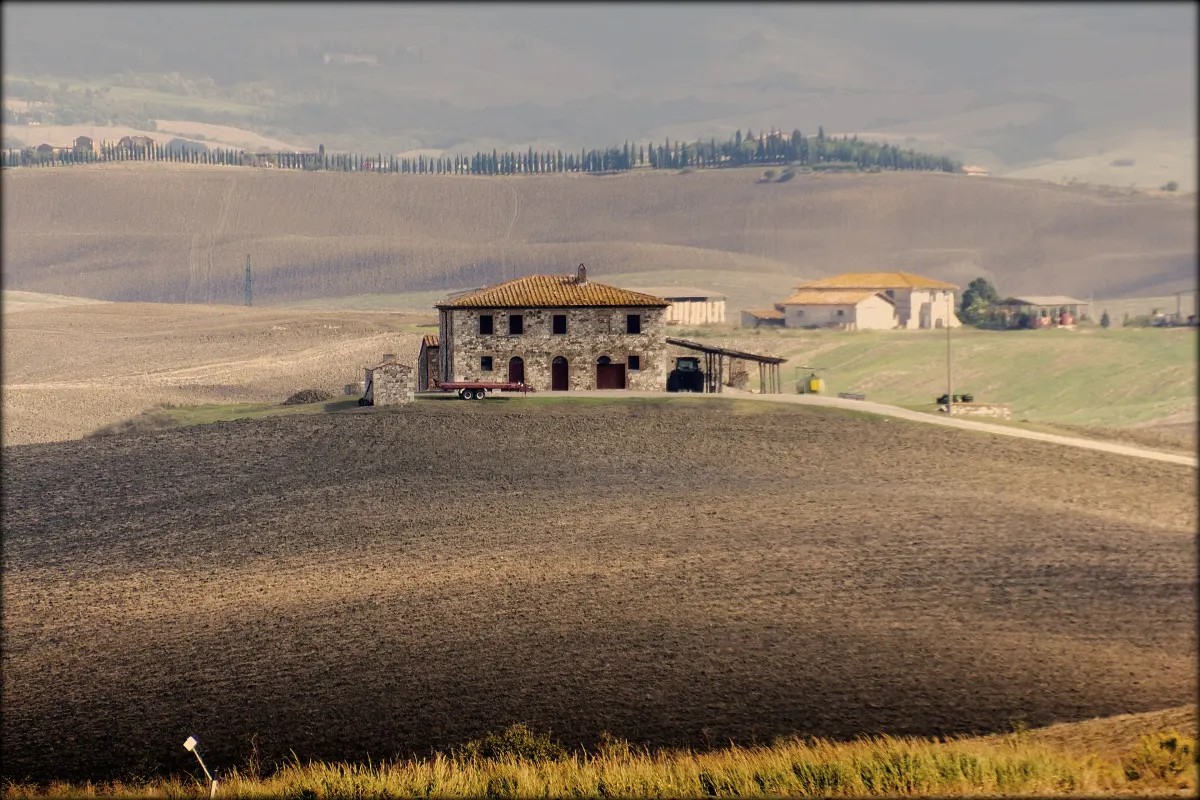
Italy has every kind of place to sleep, from palace hotels to farms among the vines. Wherever you stay, you'll have to show your passport, and in most places you'll pay a tourist tax on top.
Kinds of place
- Hotels (alberghi) are graded from one to five stars by their facilities, not their charm. A locanda is an inn, a pensione a simple one.
- B and B, affittacamere (rooms to let) and guesthouses: good value, sometimes without a reception.
- Agriturismo: a working farm with rooms, usually with breakfast and often dinner. The best way to stay in the country, and you'll need a car.
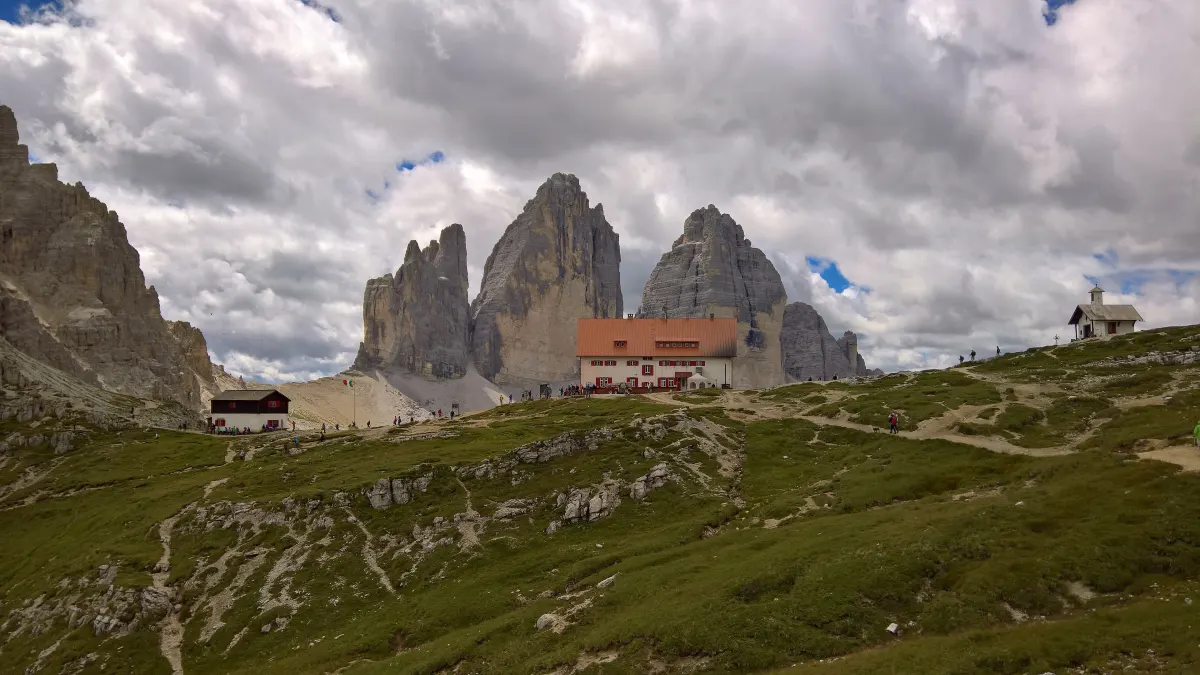
- Rifugi: mountain huts, with bunk rooms and simple meals. Book well ahead for July and August, and bring a sleeping bag liner.
- Campsites and holiday villages: many by the sea and lakes, with huts and mobile homes, mostly April to October. Wild camping is restricted almost everywhere.
- Convents and monasteries let rooms in Rome, Assisi and elsewhere: plain, quiet and cheap, often with a curfew.
- Apartments and holiday rentals: every legal one has a national code, the CIN, which must be shown in the advertisement and at the door. If there's none, be wary.
Places on this site
- In Tuscany: La Foresteria near Arezzo, Villa Olmi outside Florence, and La Siègià near Massa Marittima.
- In Venice: Locanda Antico Fiore. On the Adriatic: Dakar Living Hotel at Vasto, and Spina camping village by the Po delta.
La Foresteria, Il Giardino di Fontarronco
An 18th-century villa in the green hills of the Val di Chiana, restored by the Illuminati family and furnished with antiques.

Villa Olmi Firenze
An 18th-century villa turned four-star-superior hotel, set in its own park and gardens in Bagno a Ripoli, about 4 km from the centre of Florence.

Locanda Antico Fiore, Venice
A small, romantic hotel in an old Venetian palazzo in the San Marco district, close to the Grand Canal.
Before you book
- Location: near the station saves carrying bags over cobbles and bridges. In Venice, count the bridges from the vaporetto stop. Staying in Mestre is cheaper, and ten minutes by train.
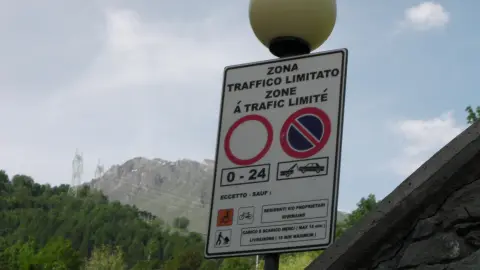
- Car: if the hotel is in a ZTL, ask how to register your plate, and about parking. See Driving.
- Air conditioning is worth having from June to September, and not everywhere has it. Heating is switched on by law only between dates in autumn and spring that depend on the region.
- Lift: many old buildings have none. Italy's first floor is one up from the ground.
- Double rooms: ask for a matrimoniale (one bed) or due letti (two).
- Breakfast is often sweet and light. The bar on the corner may be better.
- Season: beach hotels may want full board or a week's stay in August, and close from October to Easter. Book Easter, 25 April to early May, Venice Carnival and August months ahead.
Checking in
- The host must identify each guest and report them to the police within a day. Everyone, including children, needs a document. Short lets may need to meet you in person, as rules on key boxes and self check-in have been tightened, and some cities ban the boxes on the street.
- Tell them if you'll arrive late: small places have no one there after about 8 pm, or charge extra.
- Under-18s can't usually check in without an adult.
Tourist tax
The tassa or imposta di soggiorno is charged per person, per night, and differs with the town and the kind of room. It's usually not in the online price, and is paid at the hotel, sometimes in cash. Ask for a receipt. Children are exempt, up to an age that varies. Rates in late 2026, from published guides (check before you travel):
- Rome: about €4 to €10, for up to 10 nights. Roughly €6 in three-star hotels and €7.50 in four-star ones.
- Florence: about €3.50 to €8, for up to seven nights.
- Venice: about €1 to €5 now. In November 2026 the city government approved a rise in the top rate to €9.50 a night from April 2027, still to be voted by the council. Overnight guests don't pay the day visitors' access fee, but do register for the exemption.
- Milan: up to about €10 a night, higher than before because of the 2026 Winter Olympics. It may come down in 2027.
- Naples and smaller towns: usually €1 to €5.
See also Arriving in Italy and When to go.
Comments
No comments yet.