
Health and insurance in Italy: emergencies, pharmacies, GHIC and EHIC, mosquitoes, ticks and the summer heat
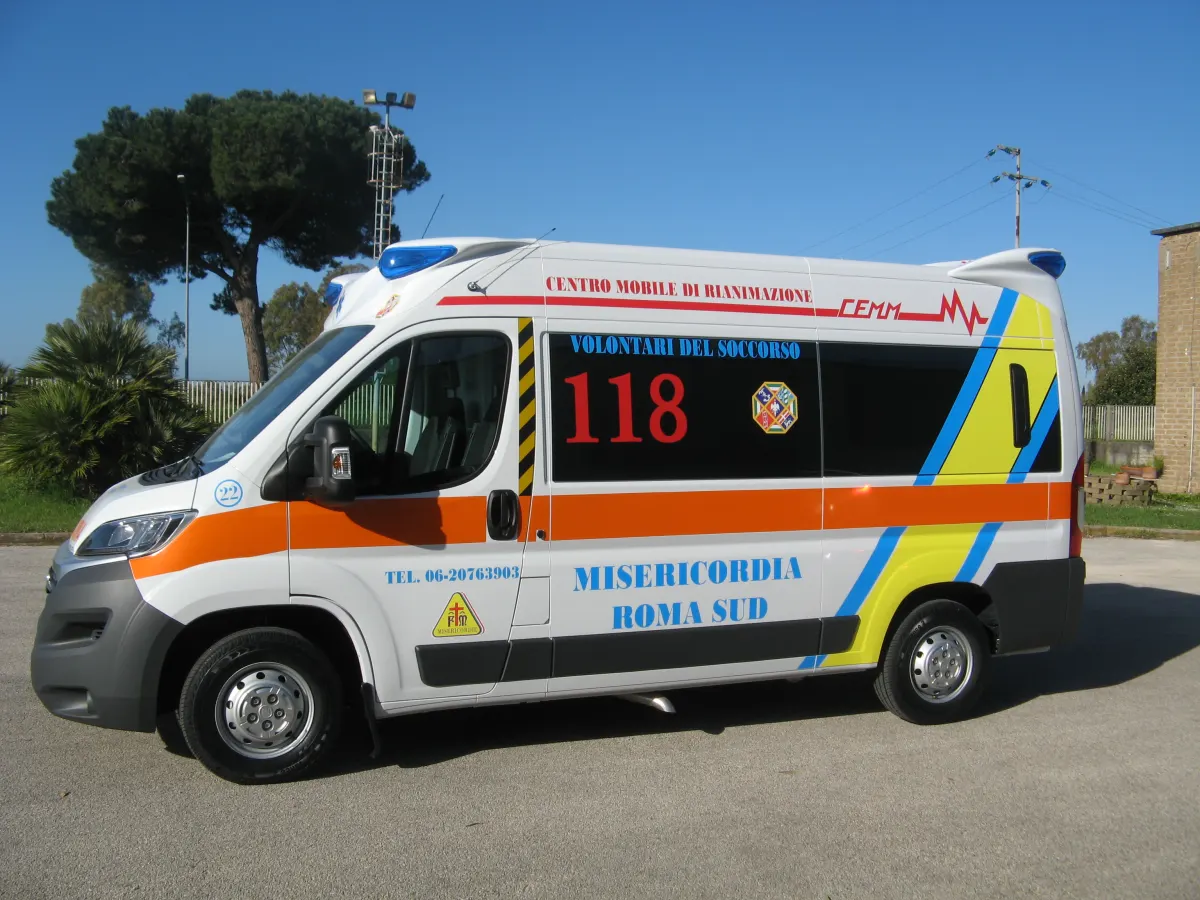
Italy has good public hospitals and excellent pharmacies. Anyone gets emergency treatment, but visitors without cover can be charged for what follows, so come with insurance.
If you need help
- Ambulance: call 112 or 118.
- Emergency department: Pronto Soccorso. You're seen in order of urgency, not arrival, so minor problems can wait for hours.
- Not an emergency: at nights, weekends and holidays there's an out-of-hours doctor, the guardia medica (or continuità assistenziale), reached in many regions on 116 117. Tourist resorts often have a summer clinic for visitors (guardia medica turistica), for a small charge.
- Your hotel or insurer can find a private English-speaking doctor.
Insurance, GHIC and EHIC
- A UK GHIC or an EHIC from an EU country gets you medically necessary state care on the same terms as Italians, sometimes with a small charge (ticket). It doesn't cover private clinics, mountain rescue or being flown home.
- Everyone else needs travel insurance. Hospitals can ask for payment from people without cover.
- Check that the policy covers what you plan to do: skiing, via ferrata, diving, scooters, hiking at altitude. A helicopter rescue can be charged for if you aren't badly hurt.
Pharmacies
- Look for a green cross. Pharmacists can advise on minor illness and sell many medicines. They often close at lunch and on Sundays: a notice on the door names the one on duty (farmacia di turno).
- A parafarmacia sells only non-prescription medicines.
- Foreign prescriptions from outside the EU aren't normally accepted: an Italian doctor has to write one. Bring enough of your medicine, in its box, with a copy of the prescription.
- For medicines that contain controlled drugs, such as some for pain, ADHD or anxiety, check the rules with the Italian Ministry of Health or your own country before you go, and carry a doctor's letter.
Mosquitoes
- West Nile virus is now found across Italy from summer to autumn. 2026 was a bad year, with about 790 confirmed human cases and 61 deaths reported by early November. Most people who catch it have no symptoms, but it can be serious for older people and those with weak immunity.
- Dengue was also caught locally in 2026, with 76 cases by early November, most of them in Tuscany and Puglia. There was one local case of chikungunya.
- Use a repellent with DEET or icaridin, cover up at dawn and dusk (tiger mosquitoes bite in the day too), and choose rooms with screens or air conditioning. There's no malaria risk to speak of.
Ticks
Ticks live in grass and woods from spring to autumn. They can carry Lyme disease and, in the north-east (Trentino-Alto Adige, Veneto and Friuli), tick-borne encephalitis, for which there's a vaccine. Wear long trousers on paths, and check your skin. See a doctor about a spreading rash or a fever.
Heat and sun
- In July and August, inland cities such as Rome, Florence and Bologna can pass 35 to 40°C. The Health Ministry gives heat warnings for the cities: red (bollino rosso) means everyone is at risk, not only the frail.
- See outdoor sights such as Pompeii, the Forum and the Valley of the Temples early or late. There's hardly any shade.
- Drink from the fountains: water marked acqua potabile is good. Non potabile means don't.
Other things
- Tap water is safe. Food is too: the usual care with raw shellfish.
- Altitude: cable cars in the Alps go above 3,000 m. Take it slowly.
- Jellyfish: rinse a sting with sea water, not fresh water, and don't rub.
- No vaccinations are required. Check the usual ones are up to date with your doctor, some weeks ahead.
- Streets are cobbled and stepped, and Venice is full of bridges: bring good shoes. Wheelchair users should check routes and stations in advance, and book assistance on trains.
See also Safety and When to go.
Comments
No comments yet.