
7 days in Naples and the Amalfi Coast: Pompeii, Capri, Positano and Paestum
The Bay of Naples has a great city, buried Roman towns, a volcano, an island and the most famous coast in Italy, all joined by trains, boats and buses. This week uses them, as driving here is slow, expensive and best avoided.
Map of the route
Circumvesuviana from Naples to Ercolano, Pompeii and Sorrento, about 42 km
Bus from Ercolano to Vesuvius, about 12 km
Ferry from Sorrento to Capri and back, about 14 km
Road from Sorrento to Positano and Amalfi (bus), about 32 km
Bus from Amalfi to Ravello, about 7 km
Boat from Amalfi to Salerno, about 16 km
Train from Salerno to Paestum, about 41 km
Click a dot for the place. The dashed lines are boats. Train, bus and road distances are approximate. Labels show where you spend each night. Route from OpenStreetMap (© OpenStreetMap contributors, ODbL).
Before you go
- When: late April to June, September and early October. Boats to Positano and Amalfi run from about April to October. In July and August, it's hot and packed.
- Book: Pompeii in high season, and Vesuvius, which is online only. See Museums and sights.
- The Circumvesuviana train from Naples to Pompeii and Sorrento is cheap, slow and crowded. Use the Campania Express when it runs for a seat, or tap a contactless card in and out on the ordinary one. Watch your pockets.
- Read about safety and the volcanoes, and driving if you're tempted by a hire car.
Day 1: Naples
Walk Spaccanapoli and the lanes of the old centre. See the National Archaeological Museum, which holds the best of Pompeii's mosaics and frescoes, and go underground in Napoli Sotterranea. Then pizza: Da Michele is the classic, with a queue to match.
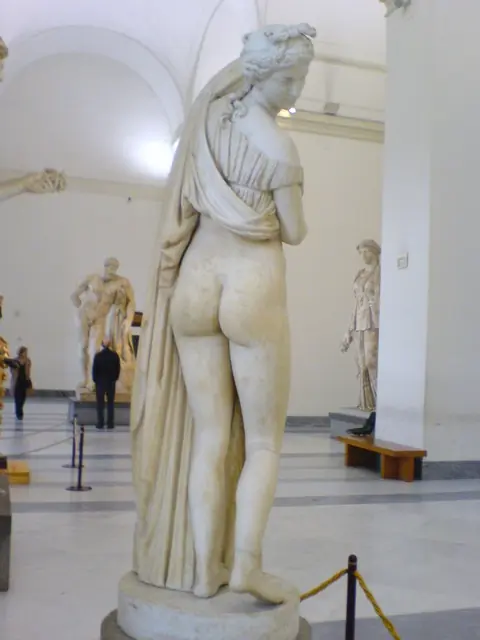
Naples National Archaeological Museum
One of the world's great archaeology museums, with mosaics, frescoes and statues from Pompeii and Herculaneum, including the Alexander Mosaic, and th…

L'Antica Pizzeria da Michele, Naples
Naples is the birthplace of pizza, and Da Michele, open since 1870, is one of its most famous pizzerias.
Day 2: Herculaneum and Vesuvius
Take the Circumvesuviana to Ercolano Scavi (about 20 minutes), and walk ten minutes downhill to Herculaneum, smaller than Pompeii and better preserved, with its upper floors and wood. A bus from the station goes up Vesuvius towards the crater path, at about 1,000 m. Book your slot, and take a jacket. Go back to Naples.
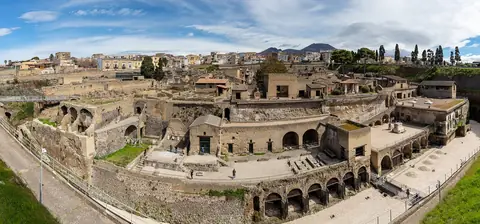
Herculaneum
A Roman town buried by Vesuvius in AD 79, smaller but better preserved than Pompeii, with wooden furniture, mosaics, frescoes and upper floors.
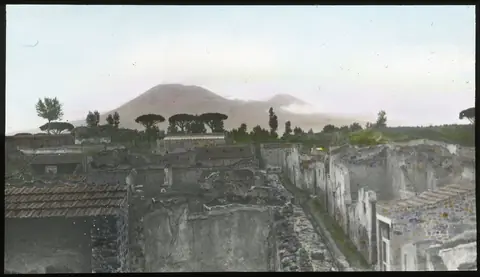
Mount Vesuvius
The volcano that destroyed Pompeii and Herculaneum in 79 AD, and last erupted in 1944, rising above the Bay of Naples.
Day 3: Pompeii, then Sorrento
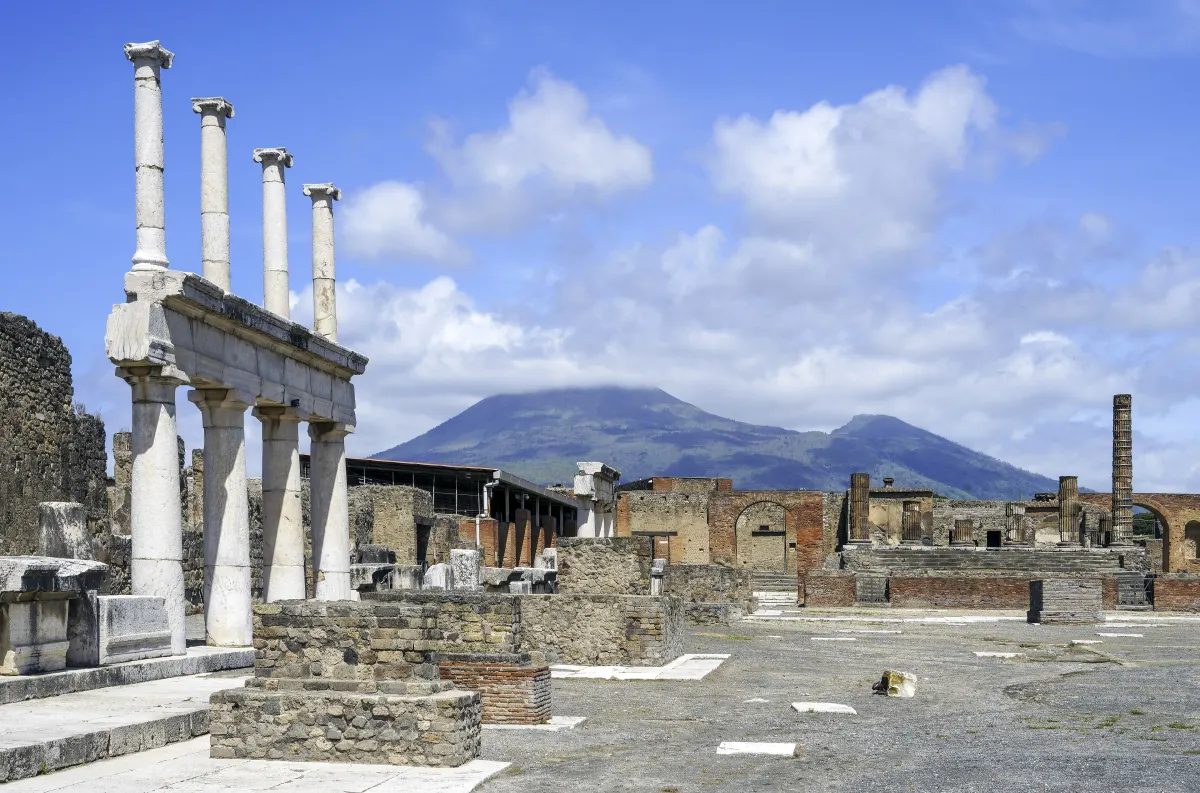
Take the train to Pompei Scavi (about 40 minutes), leave your luggage at the site or station, and give Pompeii at least half a day: the Forum, the baths, the House of the Faun and the Villa of the Mysteries. Start at opening time, with a hat and water. Carry on by train to Sorrento (about 30 minutes) for three nights.

Pompeii
The Roman city buried by the eruption of Mount Vesuvius in 79 AD and rediscovered in the 18th century, preserved in astonishing detail: streets with …
Day 4: Capri
Take an early ferry (about 25 minutes by hydrofoil) to Capri. Ride the chairlift up Monte Solaro from Anacapri for the view of the Faraglioni, walk to the Arco Naturale, and see the Blue Grotto if the sea is calm, as it often isn't. The island bans throwaway plastic.
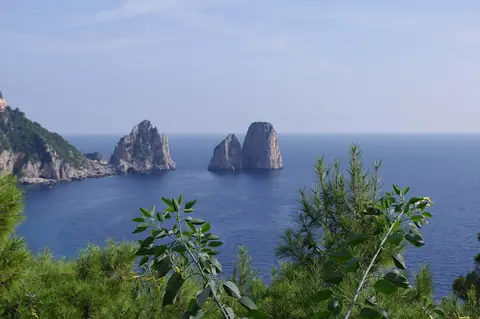
Capri and the Blue Grotto
A glamorous island in the Bay of Naples, with dramatic cliffs, the Faraglioni rock stacks and the hilltop villages of Capri and Anacapri.
Day 5: Positano and Amalfi
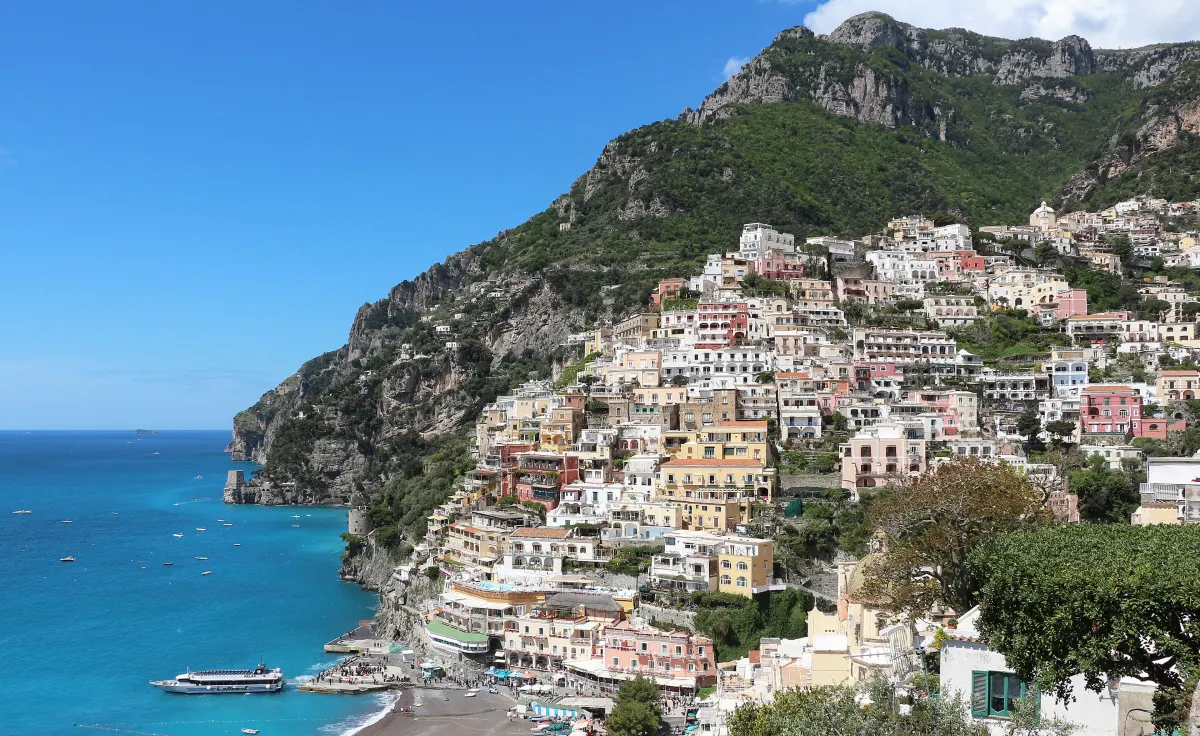
Take a SITA bus or, better, a boat from Sorrento to Positano, climb through the lanes, swim, and go on by boat to Amalfi, with its striped cathedral. Come back by bus or boat. Sit on the right of the bus going towards Amalfi, for the sea.
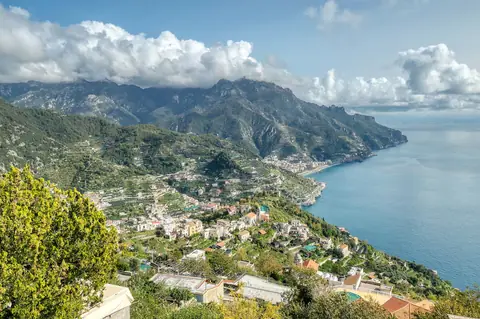
Amalfi Coast and Positano
A spectacular stretch of coast south of Naples, where pastel villages cling to cliffs above the sea, linked by a dramatic winding road.
Day 6: Ravello, then Salerno
Take the boat or bus to Amalfi, and the bus up to Ravello, 350 m above the sea, for the gardens of Villa Rufolo and Villa Cimbrone. If you like walking, the Path of the Gods from Bomerano to Nocelle, above Positano, is the best on the coast: do it on day 5. In the afternoon, take the boat from Amalfi (about 35 minutes) to Salerno for the night. Send your bags ahead or travel light.
Day 7: Paestum, and home
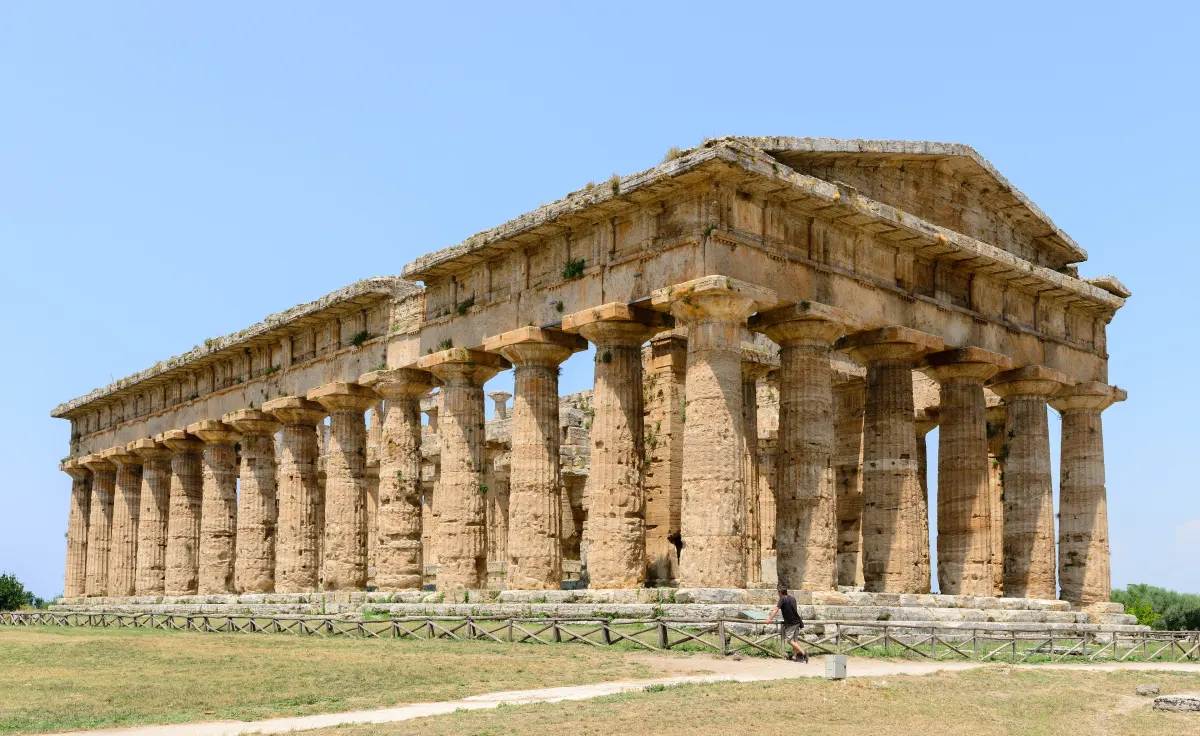
Take the train from Salerno (about 35 minutes) to Paestum, where three Greek temples older than most in Greece stand in a field. Try the buffalo mozzarella, made around here. Trains take 35 to 50 minutes from Salerno back to Naples, or go on to Rome.
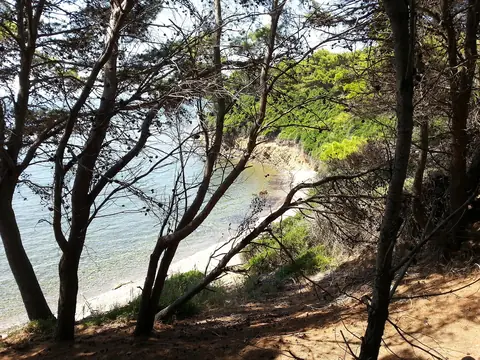
Cilento National Park and Paestum
A World Heritage area of coast, mountains and villages south of the Amalfi Coast, much less crowded.
With more time
- Add Ischia, for its hot springs, or Procida.
- Take the train or bus to Matera, with its cave houses, and on to the trulli of Alberobello.


Comments
No comments yet.