
Visiting Svalbard: passports, visas, polar bears, guides, fees and when to go
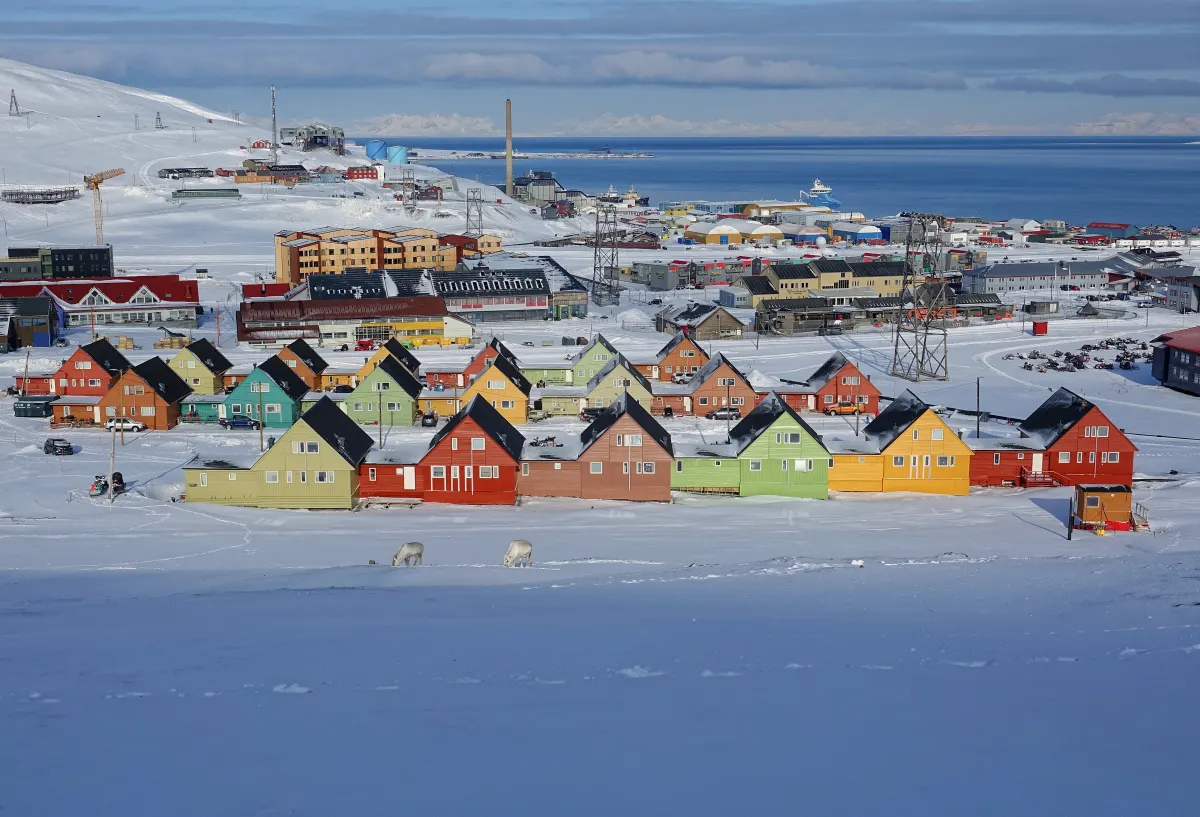
Svalbard is a group of Arctic islands halfway between Norway and the North Pole. Planes fly to Longyearbyen from Oslo and Tromsø.
Getting in
- Svalbard is part of Norway, but not of the Schengen area. Everybody needs a passport (or a Norwegian identity card), and there's a passport check on the way there and back.
- You don't need a visa for Svalbard itself, but you almost always go through the mainland. If you need a Schengen visa, get a double-entry one, or you won't be let back in.
- You must be able to pay for your stay. Medical care is limited, so have insurance that covers search, rescue and evacuation.
Polar bears and other animals
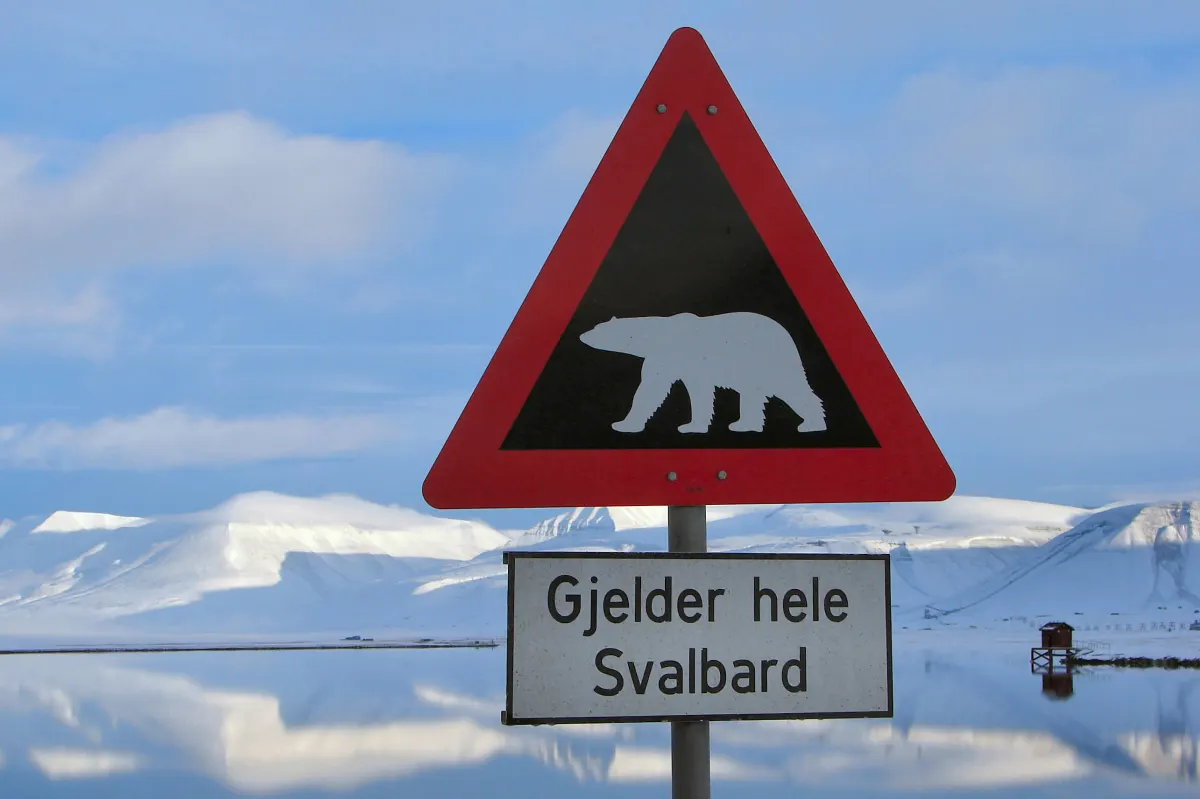
- Polar bears can be anywhere, also near Longyearbyen. Outside the settlements you must have the means to scare them off, and in practice a rifle. Go on a guided trip.
- By law, keep at least 300 metres away, and 500 metres from 1 March to 30 June. If you find one closer, back off. Keep 150 metres from walruses on shore, by boat.
- Foxes can carry rabies. Don't touch any animal, alive or dead.
Guides, ships and fees
- Ships may land people in the protected areas only at 43 places, and carry no more than 200 passengers there. From 1 July 2027 guides are due to need approval.
- Cruise passengers pay an environmental fee of 150 kroner.
Trips to book
- Book Pyramiden and boat trips early. Nobody may go inside the Seed Vault.
When to go
- The midnight sun lasts from about 20 April to 22 August, and the polar night from late October to mid-February.
- March to early May is for snow trips, in the cold and the light. June to September is for boats.
Health and phones
- There's a small hospital, and serious cases are flown to Tromsø. Insurance is a must.
- Norwegian phone networks work in Longyearbyen, and not beyond it.

Natural features
Longyearbyen and Svalbard
Longyearbyen is the main settlement of Svalbard, an Arctic archipelago halfway between mainland Norway and the North Pole, with glaciers, mountains a…
Natural features
Polar bears in Svalbard
Longyearbyen
Svalbard has about 3,000 polar bears, more than people.

Historic sites
Pyramiden ghost town, Svalbard
An abandoned Soviet coal-mining town, closed in 1998 and left almost as it was, with the world's most northerly statue of Lenin, a cultural centre wi…

Tours and activities
Boat trip to the glaciers of Svalbard
In summer, day cruises from Longyearbyen sail along the Isfjorden to glacier fronts, where ice breaks off into the sea, and past bird cliffs and walr…
See also Arriving in Norway and The midnight sun.



Comments