
Health in Morocco: water, stomach upsets, vaccinations, rabies, heat, pharmacies, hospitals and insurance
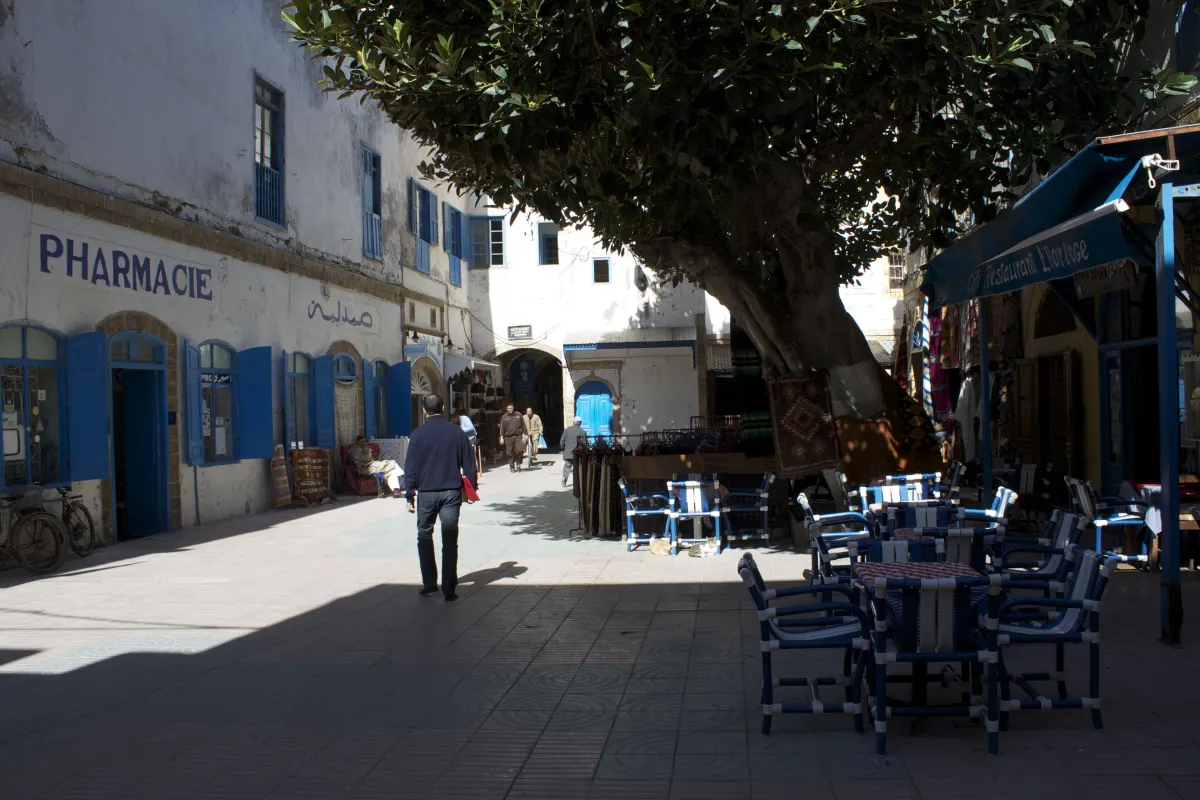
Most visitors to Morocco suffer nothing worse than an upset stomach. The things to take seriously are traffic, heat, and animal bites, because rabies is present. Emergency number: 150 for an ambulance.
Insurance
- Get insurance with hospital treatment and evacuation. Private clinics often want payment or a guarantee before they treat you, and France says hospitals can ask for the whole bill before you leave.
- Check that it covers trekking above 3,000 m, quad bikes, surfing, and mopeds if you'll do them. Many policies don't.
- A policy can be void in areas your government advises against.
Vaccinations
- See a travel clinic six to eight weeks before. Be up to date with the routine ones, including measles: France reports more cases in the region, and Canada has a notice.
- Usually advised: hepatitis A. Often: typhoid, above all for small towns, villages and long stays. For some: hepatitis B and rabies.
- No yellow fever certificate is needed. The UK says a polio certificate is needed if you're coming from a country affected by polio.
- Malaria was eliminated in 2010, and no tablets are needed.
Food and water
- Australia says to boil tap water or drink bottled. City supplies are treated, but a change of water is enough to upset some people. Use bottled or filtered, and for teeth too if you're delicate. See Drinks.
- Eat what's hot and freshly cooked, at busy places. Be careful with salads, cut fruit, mayonnaise, ice, minced meat in the sun, and buffets.
- Avoid raw milk and fresh cheese from unmarked pots.
- If it strikes: rehydration salts, rest, plain rice, bananas. See a doctor for blood, high fever, or if it lasts more than two or three days.
Animals
- Don't touch dogs, cats or monkeys, however sweet. Street cats are everywhere and kittens scratch. Dogs may gather in packs at the edge of towns and on beaches.
- Any bite, scratch or lick on broken skin: wash with soap and running water for 15 minutes, and go to a hospital the same day for rabies treatment. In remote areas you may have to travel for it.
- Scorpions and vipers live in the south. Shake out shoes, don't put hands under stones, and wear shoes at night.
Sun and heat
- Inland from June to September, 40 °C is ordinary and 45 °C possible. Do things before 11 am and after 5 pm, wear a hat, and drink before you're thirsty.
- Confusion, hot dry skin or collapse is heatstroke: cool the person and call 150.
Altitude
Toubkal is 4,167 m, and the usual climb takes you from 1,740 m to sleep at 3,200 m in a day, which is faster than doctors advise. See Trekking.
Insects and fresh water
- Sandflies carry leishmaniasis in some valleys, and West Nile virus occurs. Use repellent in the evening, and a net in simple places.
- There's a very low risk of bilharzia in still fresh water. The UK's health service advises against bathing in rivers and lakes.
Henna
Black henna contains a hair dye that can burn and scar. Natural henna is brown to orange.
Pharmacies and medicines
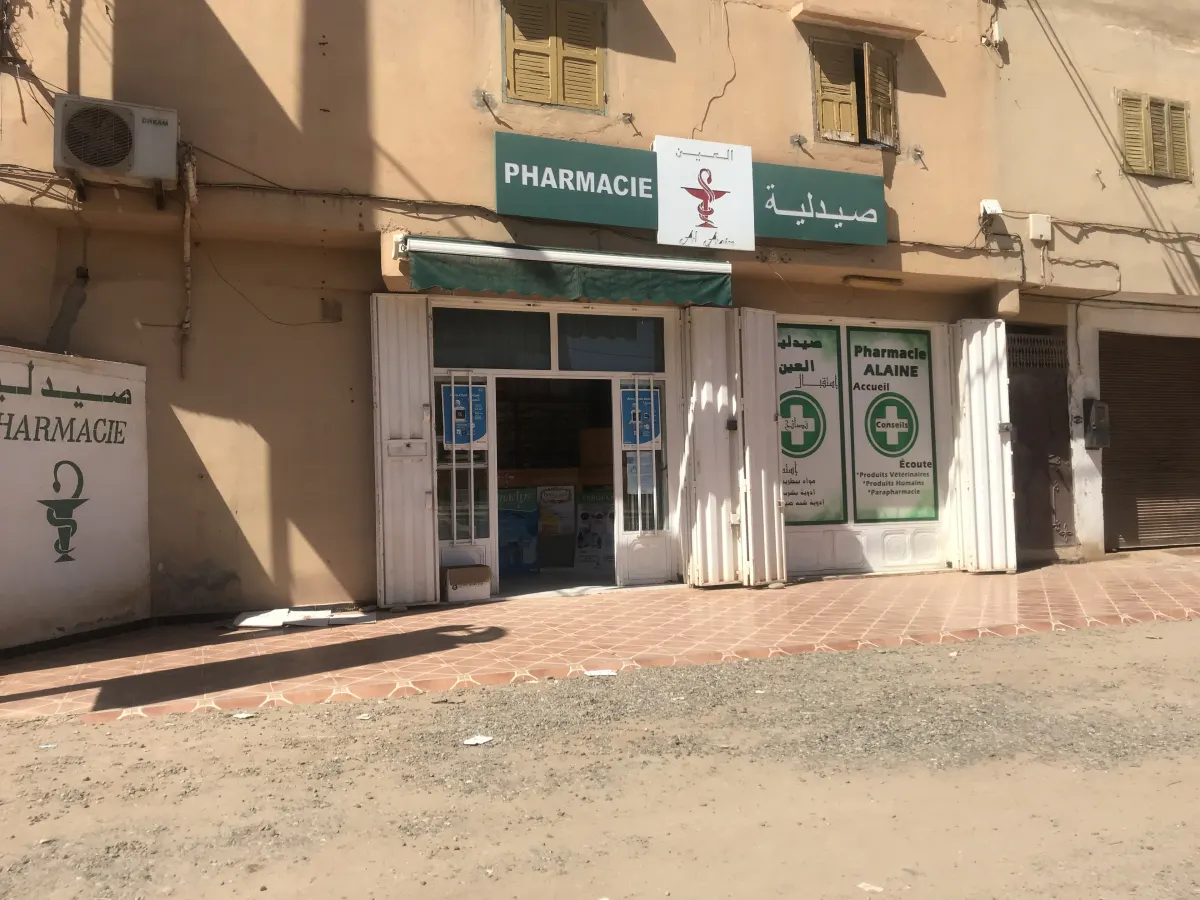
- Look for the green crescent or cross. Pharmacists are well trained, usually speak French, and sell many things without a prescription. A list on the door gives the night and Sunday pharmacy (pharmacie de garde).
- Bring enough of your own medicines, in their packets, with the prescription and the generic name. Some common ones at home, such as strong painkillers and ADHD medicines, are controlled: ask a consulate.
- Never buy medicines on a market.
Doctors and hospitals
- Public hospitals are stretched and basic, above all in the country. For anything serious go to a private clinic in Casablanca, Rabat, Marrakech, Fes, Tangier or Agadir. Call your insurer first if you can.
- Your consulate's website lists doctors. Your riad will know one who comes to you.
- From the desert or the High Atlas, a good hospital can be many hours away. Carry a first aid kit.
Toilets
Many are squat, with a tap and no paper. Carry tissues and gel, and put paper in the bin.

Walks and treks
Toubkal and the High Atlas
Al Haouz
North Africa's highest mountain, 4,167 m, is a two-day climb from Imlil, staying at a refuge.
Food and drink
Moroccan mint tea
Marrakesh-Safi
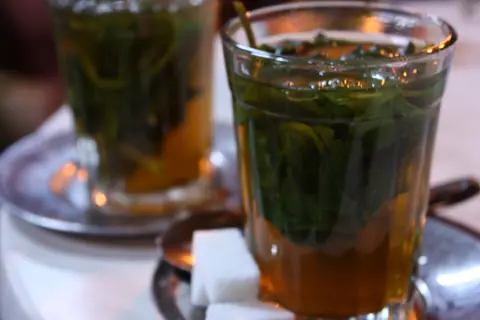
Green tea brewed with fresh mint and plenty of sugar, poured from a height.
Comments