
Trekking in the Atlas and climbing Toubkal: the guide rule, seasons, altitude, huts, mules and other routes
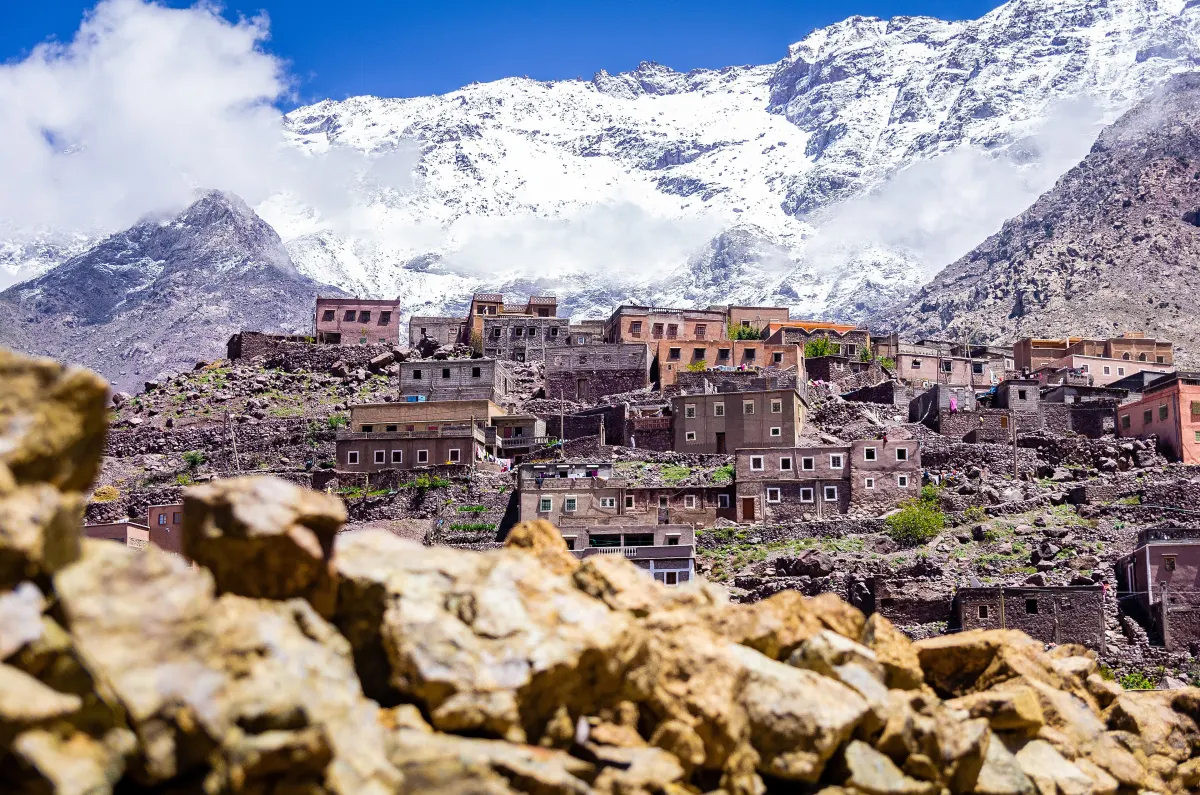
The High Atlas has North Africa's highest summit, terraced villages, mule paths and a long tradition of looking after walkers. Toubkal (4,167 m) needs no climbing skills in summer. It does need a guide, fitness, and respect for the height.
The guide rule
- Since the murder of two hikers near Imlil in December 2018, walkers on the Toubkal route have had to go with a licensed local guide. Guides' sites and operators in 2026 all say so. We found no official text to read.
- There's a checkpoint above Imlil, near Aroumd, where your passport and the guide's licence are checked. Carry the original. Without a guide you'll be turned back.
- Find one at the guides' office (bureau des guides) in Imlil, through your guesthouse, or an agency. Mountain guides have their own badge: the federation counted 1,416 licensed for nature and mountains in April 2026.
- Short walks around Imlil, Aroumd and the next valleys can usually be done without one, though a local adds much.
The usual climb
- Imlil (1,740 m) is 90 minutes from Marrakech by grand taxi.
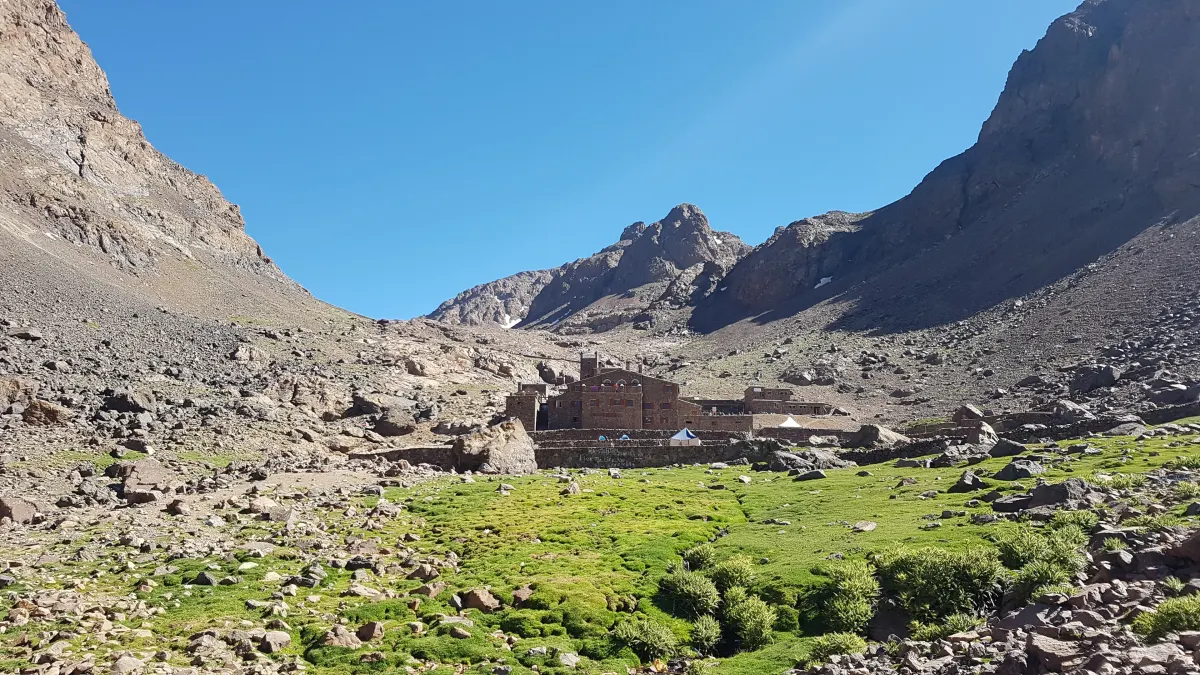
- Day 1: up the valley by the shrine of Sidi Chamharouch to the refuges at about 3,200 m, 5 to 6 hours.
- Day 2: start at 4 or 5 am. About 1,000 m up, on steep loose stones, 3 to 4 hours, with the sunrise. Then all the way down to Imlil: 2,400 m of descent. Poles help.
- Three days, with a first night at Aroumd or another valley, is kinder to lungs and knees. A longer route comes round by Lake Ifni.
Altitude
The UK's travel health service says to raise your sleeping height by no more than 500 m a day above 3,000 m, and to avoid going from below 1,200 m to above 3,500 m in one day. Two days from Marrakech breaks that. Headache and sickness are common. If someone is confused, staggering, or breathless at rest, go down at once. Sleep a night or two at Imlil or Oukaïmeden first.
Seasons
- May to October: normally free of snow, with storms on summer afternoons. June and September are best.
- November to April: snow and ice. France describes it as a serious high-mountain climb needing ice axe, crampons, helmet and avalanche equipment, with accidents every year. Go only with a qualified guide, and only if you've used crampons.
- Nights at the refuge are cold in every month.
Costs and bookings
- A two-day climb with guide, refuge and meals is usually quoted at about 1,500 to 2,500 dirhams a person in a small group, less in a larger one.
- Mules carry bags to the refuge. Check that they're sound, and that loads are fair. They can't go up in deep snow.
- Book the refuge in spring and autumn. Bring a sleeping bag liner, earplugs and cash.
- Tip the guide, muleteer and cook separately.
Other walks
- Imlil and Azzaden valleys: village to village for two or three days, sleeping in gîtes.
- Aït Bougmez, the "happy valley", and M'Goun (4,071 m): four to six days, June to September.
- Jebel Saghro: bare rock towers and nomads, between the Atlas and the desert. Best from October to April.
- Talassemtane in the Rif: the Akchour waterfalls (an easy day) and the God's Bridge, from Chefchaouen.
- Middle Atlas: cedars and macaques near Azrou and Ifrane.
- Dadès and Todra: walks and climbing around the gorges.
- Ourika valley: waterfalls at Setti Fatma, crowded at weekends and dangerous in storms. In 2026 the authorities told cafés to stop charging people to sit by the river.
Staying safe
- Canada and Australia both say don't hike alone in remote mountains. Tell your hotel your route.
- Thunderstorms flood valleys in minutes. Camp high, and start early.
- There's no helicopter rescue service to count on. Check that your insurance covers 4,200 m.
- Some villages are still being rebuilt after the 2023 earthquake. Trekking brings needed income. Ask which paths and gîtes are open.
In the villages
Cover shoulders and knees, ask before photographing, treat drinking water, carry out all rubbish, and give money through the gîte or the village association rather than to children.

Toubkal and the High Atlas
North Africa's highest mountain, 4,167 m, is a two-day climb from Imlil, staying at a refuge.
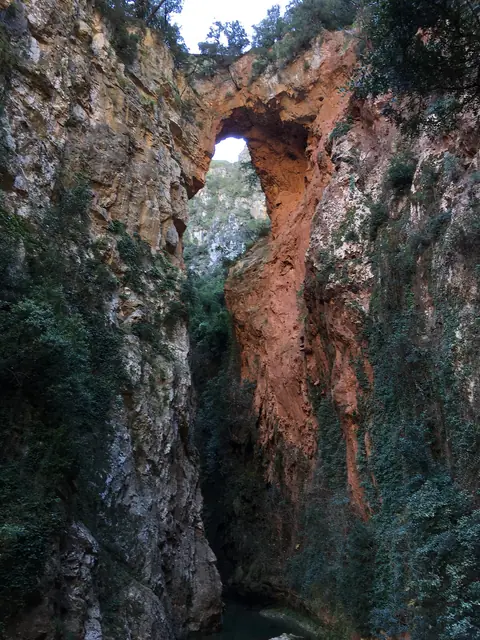
Talassemtane National Park
Rif mountain forests of cedar and fir. Walk to Akchour's waterfalls and the God's Bridge rock arch.

Comments