
Women travelling in Morocco: harassment, what to wear, where to stay, and how to have a good time alone
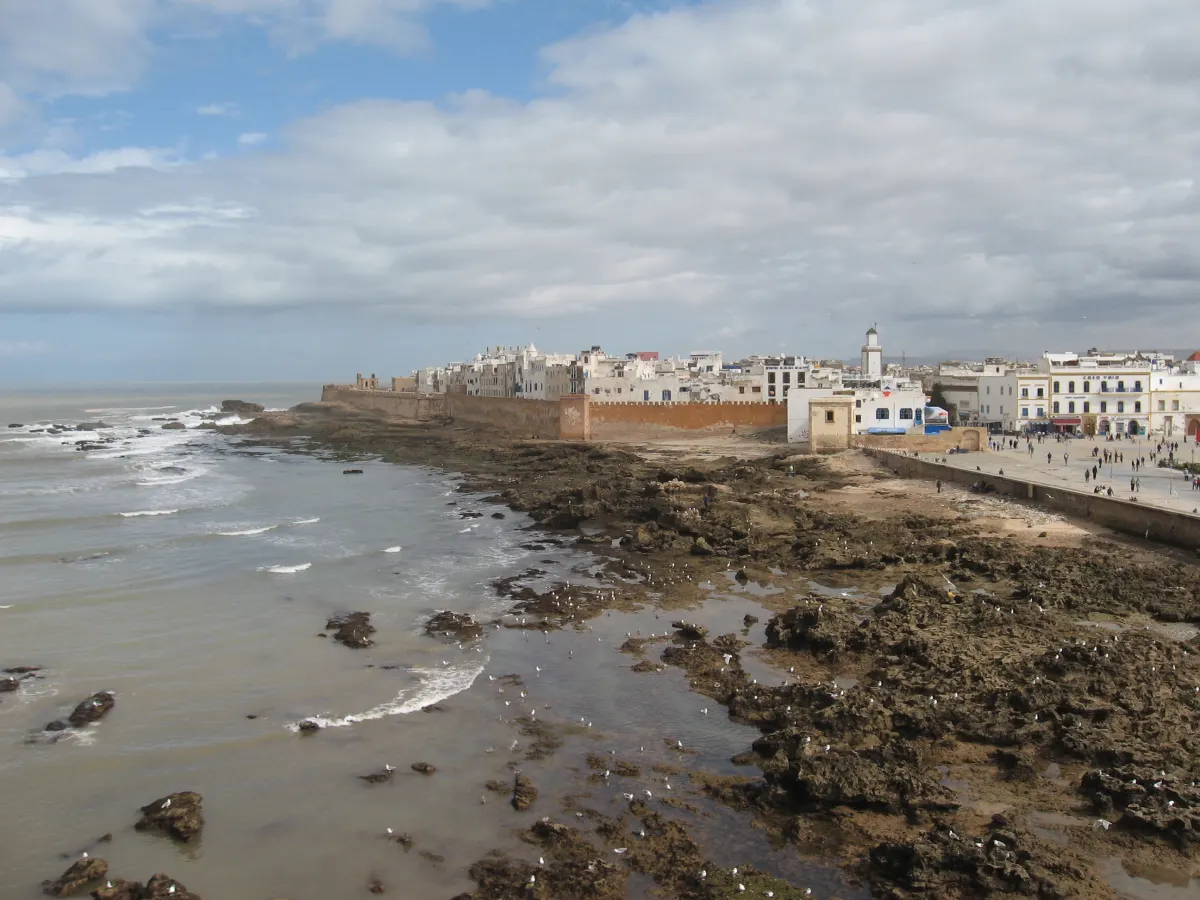
Many women travel in Morocco alone every year and love it. Many are also tired by the attention. Most of it is words: the UK, Canada and Australia all warn of harassment, and advise against walking alone at night. Knowing what to expect helps.
What it's like
- Comments, staring, hissing and being followed for a few minutes are common in Marrakech, Fes, Tangier and Casablanca, and worst for those alone. It's less in Rabat, Essaouira, Chefchaouen, Asilah and the countryside.
- With a man, you may find that people talk to him instead of you.
- Groping happens in crowds. Assault is much rarer, but it happens.
- Street harassment has been a crime since 2018.
How to answer it
- Don't answer at all. Sunglasses, headphones in one ear, and a steady walk work best.
- If he goes on, say loudly hshuma! ("shame!"). Passers-by, above all older women, will often step in.
- Walk into a shop, a pharmacy or a café and say what's happening.
- Anger that stays private gets nowhere. Anger in public embarrasses him.
- Invented husbands are widely used, and a plain ring costs little.
What to wear
The UK suggests loose clothes covering arms, legs and chest. Wide trousers or a long skirt, and a light shirt, are comfortable in the heat and draw less attention. A scarf is handy but nobody expects you to cover your hair. Moroccan women wear everything from veils to jeans. Covering up reduces hassle and doesn't end it, and it's never your fault.
Where to stay
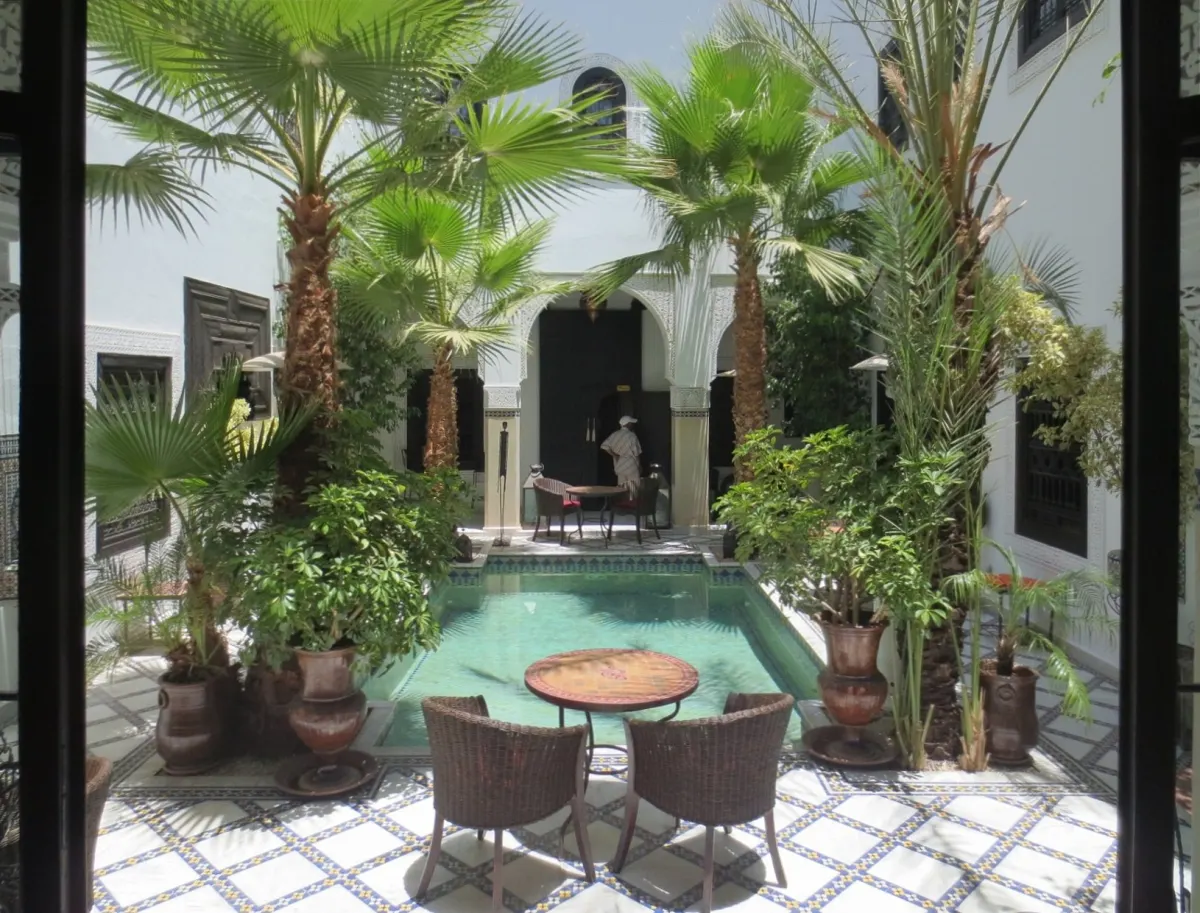
- A small riad with good reviews from women is like having a family in town. Choose one near a gate or a lit main street.
- Ask to be met on the first evening, and walked back if you're out late.
- Lock your door at night in any hotel. Don't give your room number, or say where you're staying.
Getting around
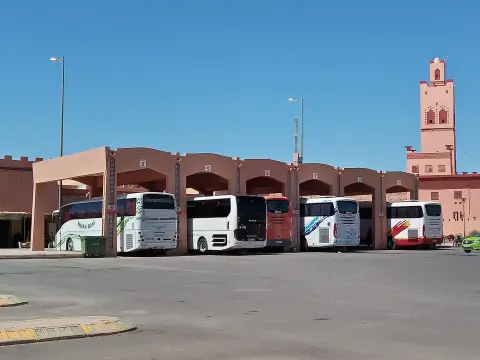
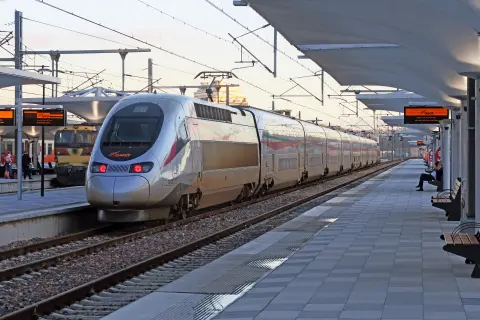
- Trains: first class, or a seat by a family. CTM buses: near the front.
- Petits taxis: sit in the back, send the plate number to someone, and get out at a busy place if you're uneasy.
- Grands taxis: you'll be squeezed beside strangers. Take the front seat, or pay for two places.
- Arrive in a new town by daylight.
Cafés and evenings
- Choose roof terraces, pâtisseries and riad restaurants. Men-only cafés and local bars aren't fun.
- Invitations to a home are best accepted when there are women in the family and you've met them.
- Watch your drink. See Alcohol.
Guides, treks and the desert
- Book licensed guides with a name and reviews. There are women guides in Marrakech, Fes and the Atlas: ask for one.
- On desert trips, go with a group or an operator that other women recommend. Some cameleers and camp staff flirt as a habit. Make your no plain, and tell the manager.
- Don't hike alone: see Trekking.
Massages and hammams
Public hammams have women's hours, with women attendants, and are among the friendliest places in the country. In spas, ask for a woman therapist and leave if anything feels wrong.
Beaches
Canada notes that women in swimwear are harassed on public beaches and suggests tourist ones. Agadir, Taghazout and hotel beaches are easiest. A one-piece draws less notice than a bikini.
Practical things
- Sanitary towels are sold everywhere. Tampons only in larger supermarkets and some pharmacies.
- Pharmacies sell the contraceptive pill. Emergency contraception can be hard to find, so bring it.
- Abortion is illegal in nearly all cases.
- Carry tissues and hand gel for toilets.
If something happens
Go somewhere public, call 190 (or 177 outside towns), and contact your embassy before making a statement, as sex outside marriage is a crime here and you may want advice. Get medical care first, and keep the report for your insurer. See Health.
The good part: women travellers are often invited where men aren't, into kitchens, weddings and courtyards.

Essaouira
A relaxed walled port on the Atlantic, with a UNESCO-listed medina, ramparts with cannons, a busy fishing harbour, and grilled fish at stalls.

Chefchaouen
A mountain town in the Rif whose medina is painted in every shade of blue.
Comments