
When to go to Morocco: weather month by month in the cities, the Atlas, the desert and on the coast, with festivals and holidays
March to May and October to early November suit most trips: warm days, cool nights, and roads open. But Morocco has a cool coast, high mountains and a desert, and there's a good place for every month.
By region
- Marrakech and the south: 18–20 °C on winter days and near 5 °C at night, 25–30 in April and October, and 38–45 in July and August.
- Fes, Meknes: much the same in summer, but colder and wetter in winter.
- Atlantic coast (Casablanca to Agadir): mild all year, 18–20 °C in January and 25–28 in August. Essaouira is windy from April to September, and grey mornings are common in summer.
- Tangier and the Rif: rain from November to March, green and flowery in April, warm and dry from June. Chefchaouen is cold in winter.
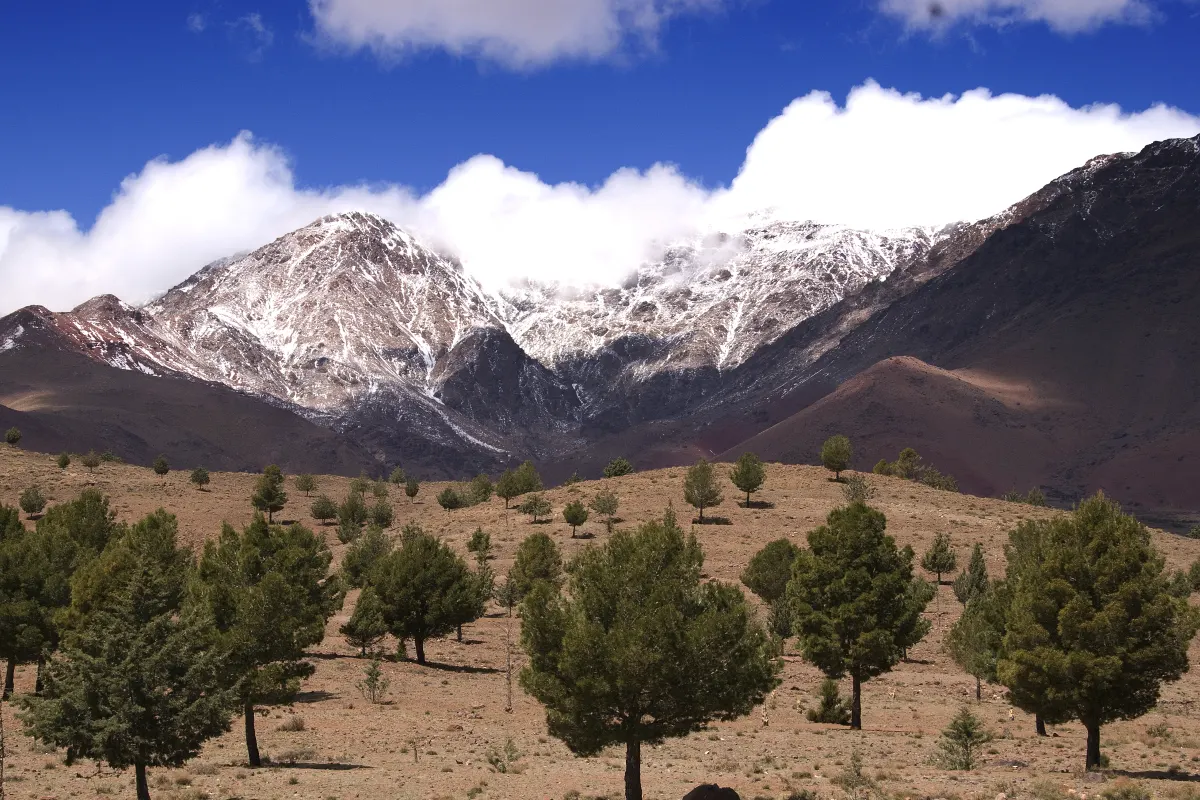
- High Atlas: walking from May to October, snow from November to April above 2,500 m or so.
- Desert: best from October to April. Nights drop to 0–5 °C in December and January. In summer it's dangerous by day.
Month by month
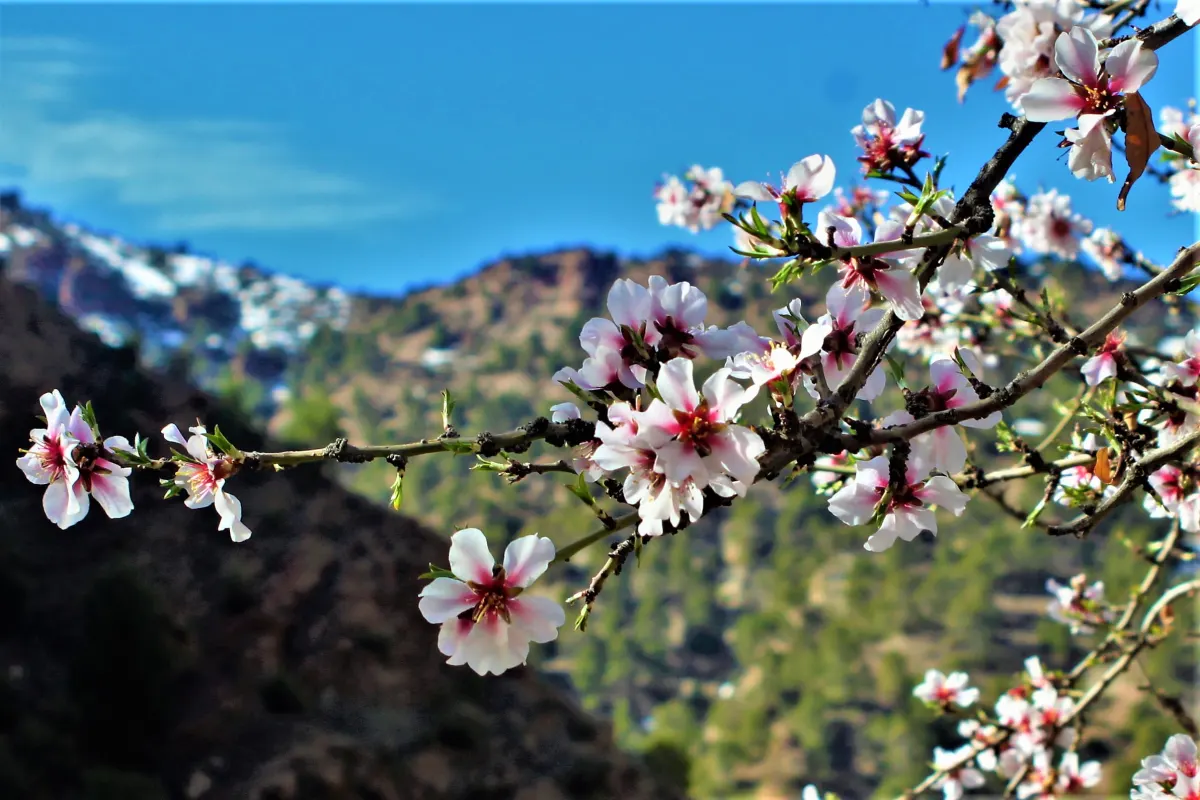
- December to February: low sun, clear light, cheap rooms except at Christmas and New Year. Riads are cold: ask about heating. Snow may close the Tichka pass and the roads by Ifrane and Midelt for some hours. Almond blossom in February.
- March to May: the best of it. Sandstorms blow in the desert some days in March and April. Poppies and wheat around Volubilis. Roses in the Dadès valley in May. Book early around Easter.
- June: hot inland, lovely on the coast and in the mountains.
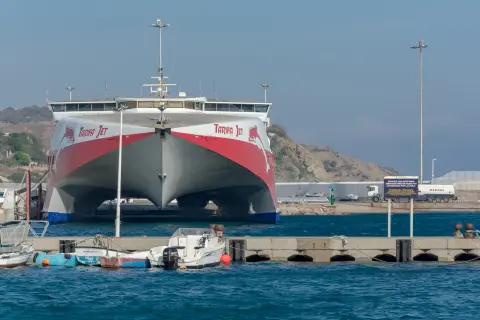
- July and August: go to the coast, the Rif or the High Atlas. Beaches and ferries are crowded with Moroccan families.
- September: warm sea, still hot inland. Thunderstorms in the mountains.
- October and November: dates in the oases, saffron at Taliouine (late October), first rain. It's also when flash floods strike the south, as in October 2026.
Public holidays
Fixed dates, when banks and offices close and trains are full:
- 1 January, 11 January (Independence Manifesto), 14 January (Amazigh New Year), 1 May.
- 30 July (Throne Day), 14 August, 20 August, 21 August.
- 31 October (Unity Day, created in 2025), 6 November (Green March), 18 November (Independence).
Religious dates in 2027
They depend on the moon:
- Ramadan: about 8 February to 9 March. Eid al-Fitr: about 10 March.
- Eid al-Adha: about 16 or 17 May. The country shuts for two days or more.
- Islamic New Year in early June, and the Prophet's birthday in mid-August.
Festivals
Check dates each year:
- Fes Festival of World Sacred Music: usually May or June.
- Gnaoua Festival in Essaouira: June.
- Mawazine, a giant pop festival in Rabat: usually June.
- Rose Festival at Kelaat M'Gouna: May.
- Imilchil, the marriage fair in the High Atlas: September.
- Date festival at Erfoud: October.
- Marrakech film festival: late November or December.
What's coming
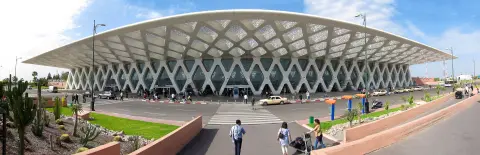
Morocco hosts the football World Cup in June and July 2030 with Spain and Portugal. Stations, airports, stadiums and city centres are being rebuilt until then, so expect building sites.
What to pack
Layers. A warm jacket for evenings from October to April, even for the desert. Shoes for cobbles. A hat, a scarf and sun cream all year, and a light rain jacket for the north in winter.
The time
Since September 2026 Morocco keeps GMT all year, so the sun sets an hour earlier by the clock than in older guides: around 5:30 pm in December and 7:40 pm in June in Marrakech.
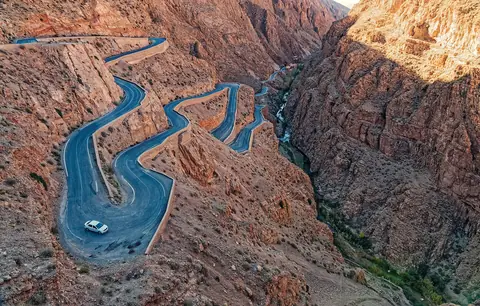
Dadès Valley
A valley of kasbahs and red rock formations, with the famous hairpin road climbing the gorge.

Essaouira
A relaxed walled port on the Atlantic, with a UNESCO-listed medina, ramparts with cannons, a busy fishing harbour, and grilled fish at stalls.
Comments