
Ramadan in Morocco: 2027 dates, what's open, eating and drinking by day, and whether to come
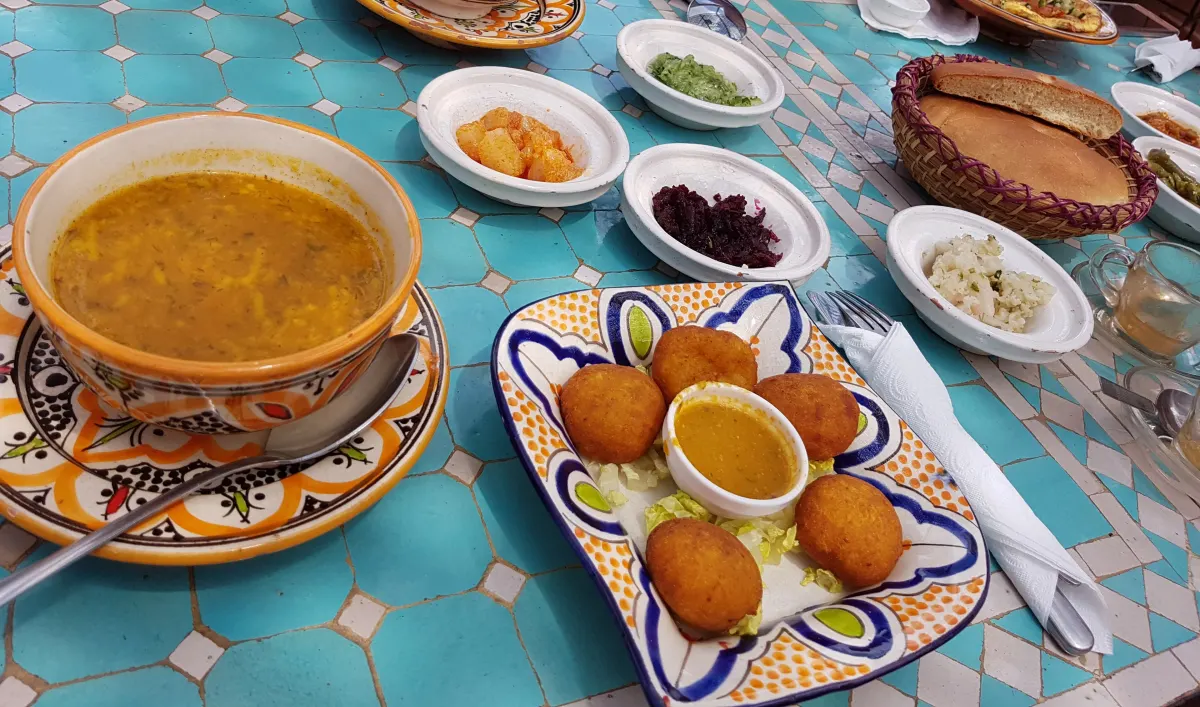
For a month each year nearly all Moroccans go without food, drink and cigarettes from dawn to sunset. Days are slow and quiet, and nights are full of life. You can travel well in it, if you plan around the sunset.
When
- In 2027 Ramadan should begin around 8 February and end around 9 March, with Eid al-Fitr about 10 March. The ministry announces each the night before, when the moon is seen, and Morocco is sometimes a day after other countries.
- In 2028 it should start in late January, as it comes about 11 days earlier each year.
- Eid al-Adha, the feast of sacrifice, should be about 16 or 17 May 2027.
- Clocks used to change for Ramadan. Since September 2026 they don't any more: see Arriving.
What the day is like
- Morning: late start. Offices, banks and shops open shorter hours, about 9 or 10 am to 3 pm.
- Afternoon: slow. Tempers and driving get worse as sunset nears.
- Sunset: the streets empty in minutes. A siren, cannon or call to prayer ends the fast. For an hour there are no taxis, no shops and nobody about.
- Then everyone comes out: cafés, prayers, families walking till after midnight. Before dawn a drummer or horn player may wake your street.
Eating and drinking
- Visitors who aren't Muslim don't have to fast. But don't eat, drink, smoke or chew gum in public in daylight. The UK warns that it causes offence. Sip water out of sight.
- Riads and hotels serve breakfast and lunch as usual. Restaurants for tourists stay open in Marrakech, Agadir and Fes, often behind a screen. Small towns may have nothing until sunset: buy a picnic.
- Children, pregnant women and the ill are exempt, and nobody will mind feeding a child discreetly.
- Alcohol disappears from shops and nearly all restaurants: see Alcohol.
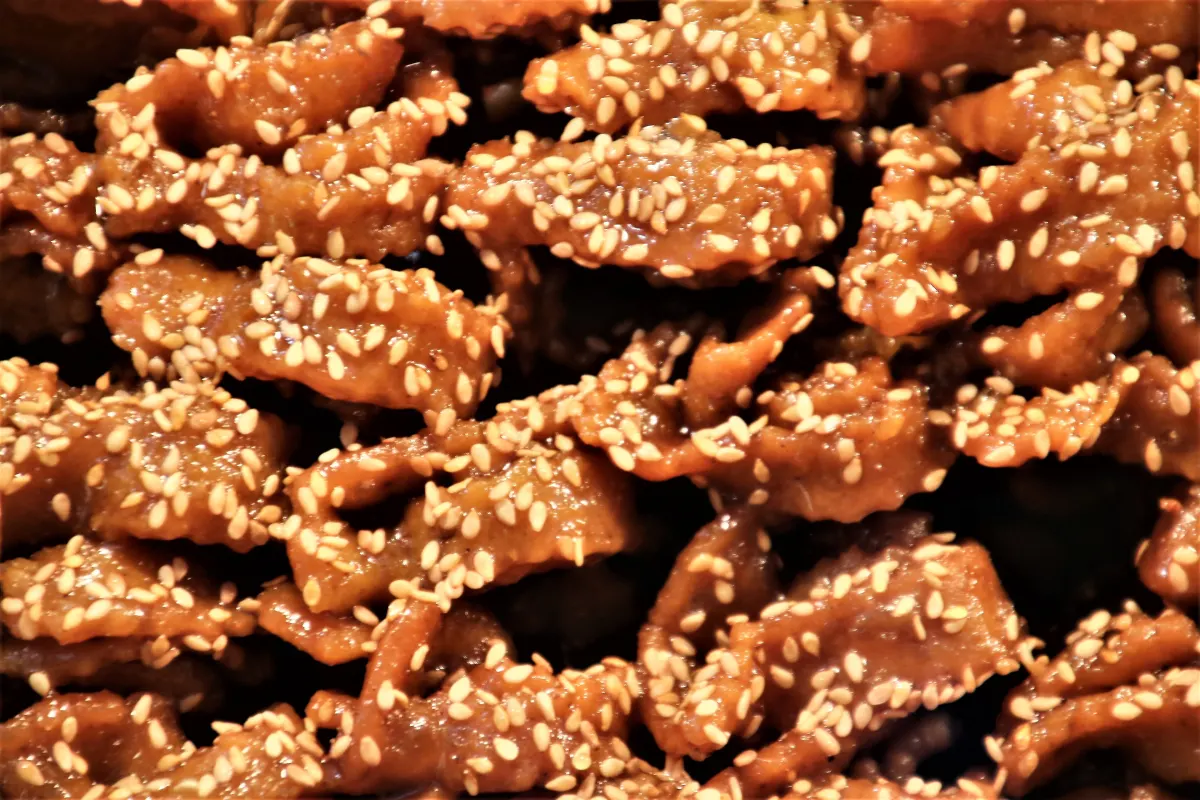
Join the ftour
Sights and transport
- Monuments open shorter hours, and the Hassan II Mosque has its own timetable of tours. Check each a day ahead.
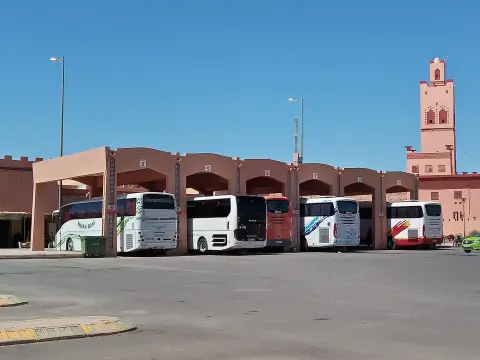
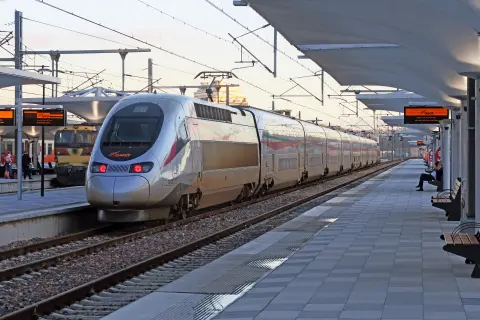
- Trains and buses run, with some changes. Buses stop for the meal. Grands taxis fill fast in the morning and vanish in late afternoon.
- Guides, muleteers and drivers are fasting while they work for you. Start early, walk less, and finish by mid-afternoon. Many trekking crews take the month off.
- Don't drive in the last hour before sunset if you can help it.
Dress
Dress more modestly than usual. Keep music low.
Eid al-Fitr
Two or three days of holiday end the month. Families travel just before and after, so trains and buses sell out, and shops and many restaurants close on the first day.
Eid al-Adha
The biggest feast of the year. Families buy and sacrifice a sheep, and for two or three days towns shut almost completely. Book transport weeks ahead, have cash and food, and don't plan a tight journey. The morning of the feast, with slaughter at home and fires in the street, isn't for everyone. In 2025 the king asked people not to sacrifice because flocks had shrunk in the drought.
Should you come?
Yes, if you like atmosphere more than nightlife and don't mind some closed doors. The days are short and mild in February, hotels are cheaper and the sights quiet. Come at another time for a trek, a foodie trip, or a first visit of only three or four days.
See also When to go.

Comments