
Culture and manners in Morocco: greetings, dress, mosques, taking photos, left hands and being a guest
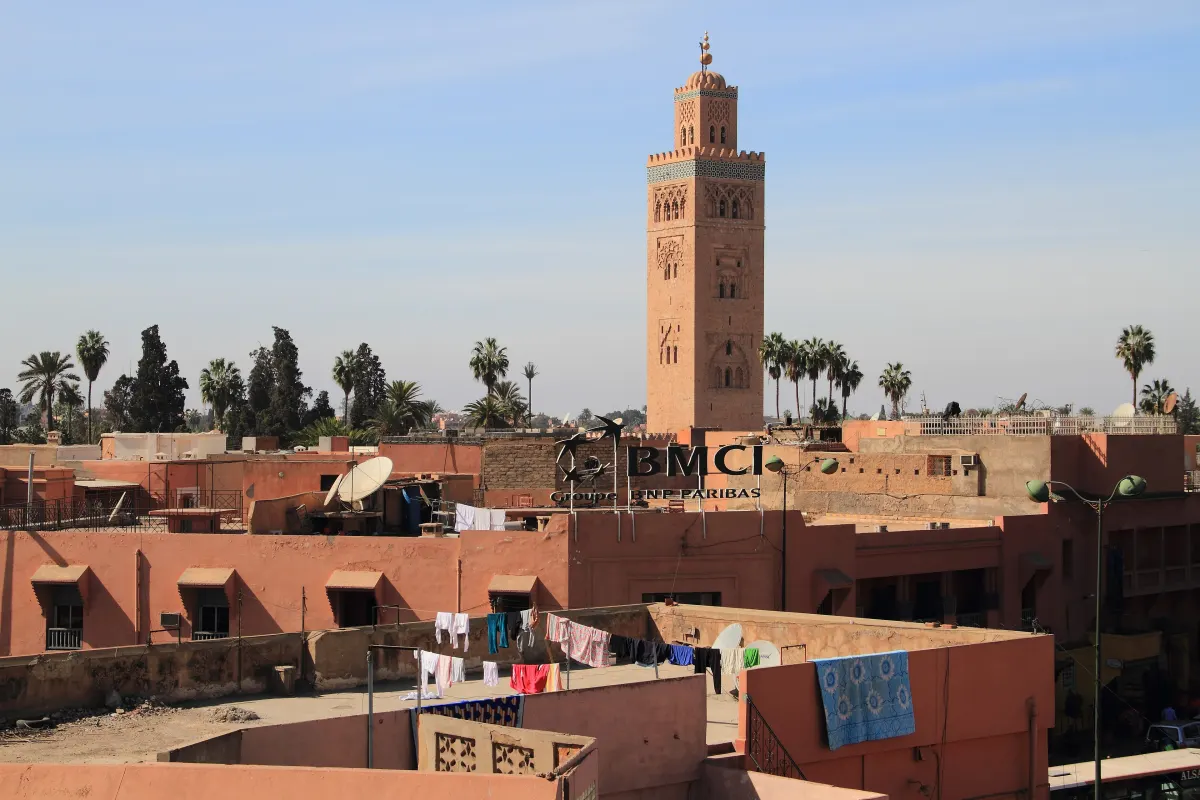
Moroccans are sociable, patient with foreigners and very fond of a joke. A greeting before a question, modest clothes and a bit of Arabic will change how you're treated.
Greetings
- Salam alaykum ("peace be upon you") works everywhere, and the answer is wa alaykum salam. Ask after health and family before business.
- Shake hands lightly, then touch your heart. With someone of the other sex, wait for them to offer a hand. If they touch their chest, do the same.
- Useful words: shukran (thank you), afak (please), la, shukran (no thank you), smeh liya (excuse me), bslama (goodbye), inshallah (God willing), safi (enough, all right).
- People speak Moroccan Arabic (Darija) and Tamazight (Berber), both official in standard form. French is the second language of the cities, Spanish is known in the north, and English is growing fast among the young. Many prefer Amazigh to the word Berber.
What to wear
- No law tells visitors what to wear, but loose clothes that cover shoulders and knees, for men and women, are right in medinas, villages and the countryside. Moroccan men rarely wear shorts in town.
- In beach resorts, Marrakech's new town and hotels, anything ordinary goes. Swimwear stays at the pool or beach.
- Women don't need a headscarf, except that one is handy against sun and sand.
- See also Women travellers.
Mosques and shrines
- Non-Muslims may not enter working mosques or the tombs of saints in Morocco. Look from the doorway if it's open, but don't step in or photograph people at prayer.
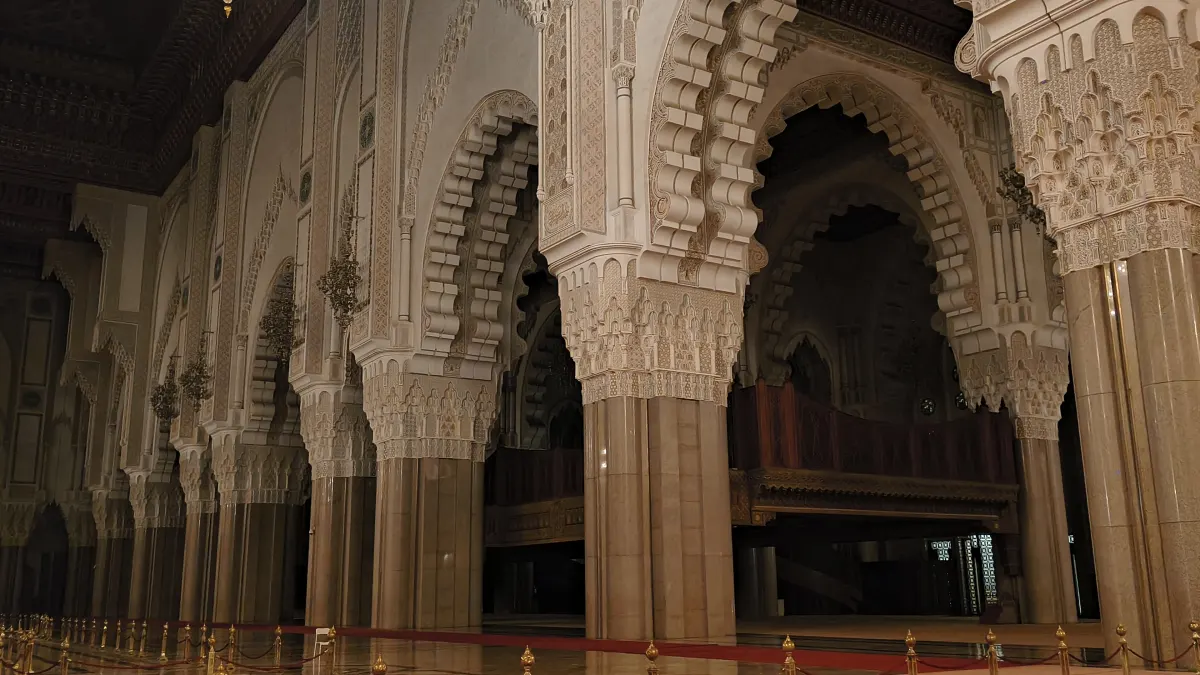
- The great exception is the Hassan II Mosque in Casablanca, on guided tours: 140 dirhams for a foreign adult, 30 for a child over 6. From mid-September to mid-March they start at 9, 10, 11 and noon and at 3 pm (Fridays 9, 10 and 3), with an extra one at 4 pm in summer, and other hours in Ramadan. Cover shoulders and knees, and carry your shoes.
- You can also visit the Mausoleum of Mohammed V in Rabat, and that of Moulay Ismail in Meknes when it's open.
- Old madrasas, such as Ben Youssef in Marrakech and Bou Inania in Fes, are open to all and as beautiful as any mosque.
- Fridays around noon are for prayer. Shops shut for an hour or two.
Photographs
- Ask before photographing anyone, above all women and the old, and take no for an answer. Never photograph children without their parents' consent.
- Performers and water sellers expect money.
- It's illegal to photograph military and police buildings, checkpoints, royal palaces' guards, airports and border posts.
- Drones are banned without authorisation.
Everyday manners
- Eat, give and receive with the right hand.
- Take off your shoes where you see others' by the door, and before stepping on a carpet.
- Couples holding hands are fine in cities. Kissing in public isn't, and affection between people of the same sex can lead to prosecution: see Laws.
- Don't show the soles of your feet, and don't step over someone.
- Raising your voice loses the argument. A smile wins most.
- Avoid criticising the king, Islam, or Morocco's position on the Sahara.
- During Ramadan, don't eat, drink or smoke in the street by day.
As a guest
- Bring pastries, fruit, a cone of sugar or good tea. Not alcohol.
- You'll be given the best pieces of meat and told to eat more. Slow down early, and praise it.
- Admire something too warmly, and it may be given to you.
The hammam
The public steam bath is for everyone, at separate hours or doors for men and women, and costs 10 to 20 dirhams. Keep your underwear on, and bring a towel, flip-flops, black soap and a rough glove (kessa), sold outside. An attendant will scrub you for a fee. Hotel spas do a gentler, dearer version.

Buildings
Hassan II Mosque, Casablanca
Casablanca
One of the largest mosques in the world, built partly over the Atlantic, with a 210 m minaret.

Buildings
Ben Youssef Madrasa, Marrakech
Marrakesh, Marrakech
A 16th-century Islamic college, the largest in Morocco, with a courtyard of carved cedar, stucco and zellige tiles around a pool, and tiny student ce…

Comments