
Surfing in Morocco: Taghazout, Imsouane, Essaouira and Sidi Ifni, seasons, schools, costs and safety
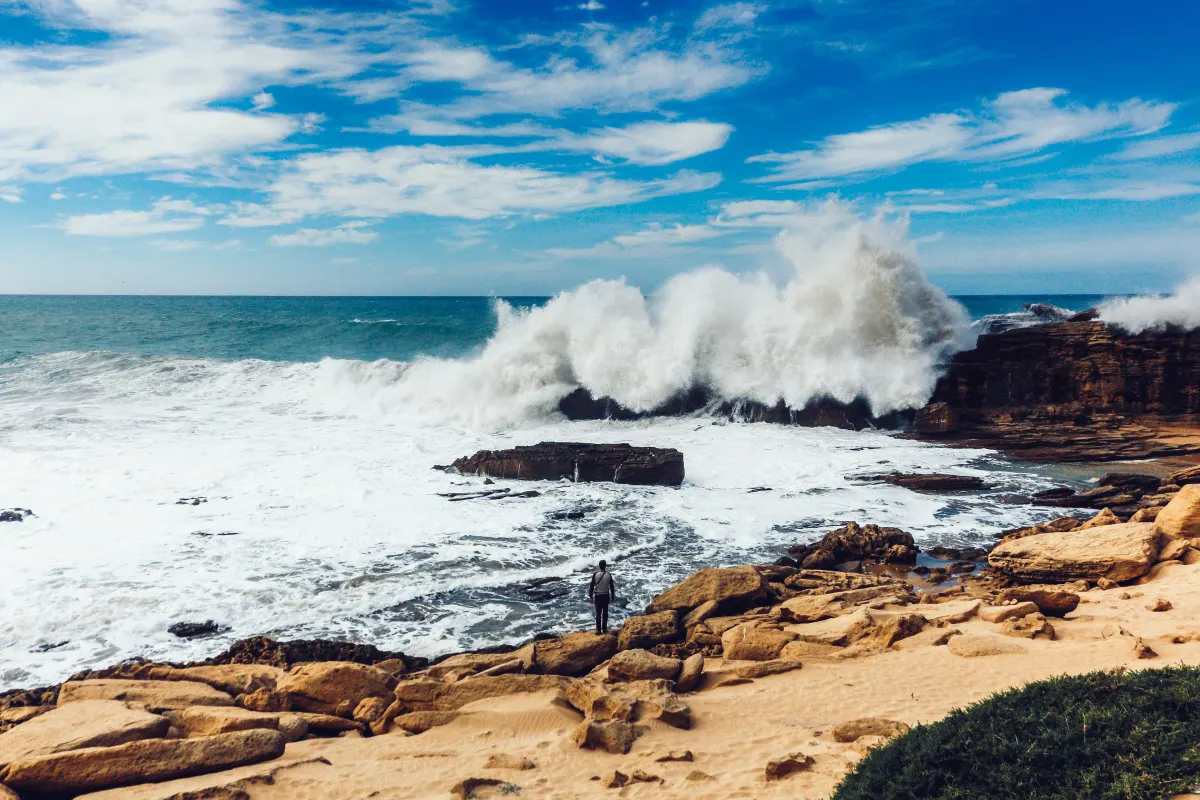
Morocco's Atlantic coast gets swell all winter, warm sun and waves for every level within a few kilometres. The centre of it all is Taghazout, 20 km north of Agadir.
When
- October to April: the season. Swells from the North Atlantic light up the point breaks. December to February is biggest.
- May to September: smaller and windier. Good for learning, kitesurfing and windsurfing.
- Water: about 16–18 °C in winter and 20–22 in late summer. A 3/2 wetsuit does for most of the year, and a 4/3 for January.
Where
- Taghazout: a string of right-hand points. Anchor Point and Killer Point are for experts. Hash Point and Panorama are gentler.
- Tamraght and Aourir: Banana Beach and Devil's Rock, sandy and good for beginners.
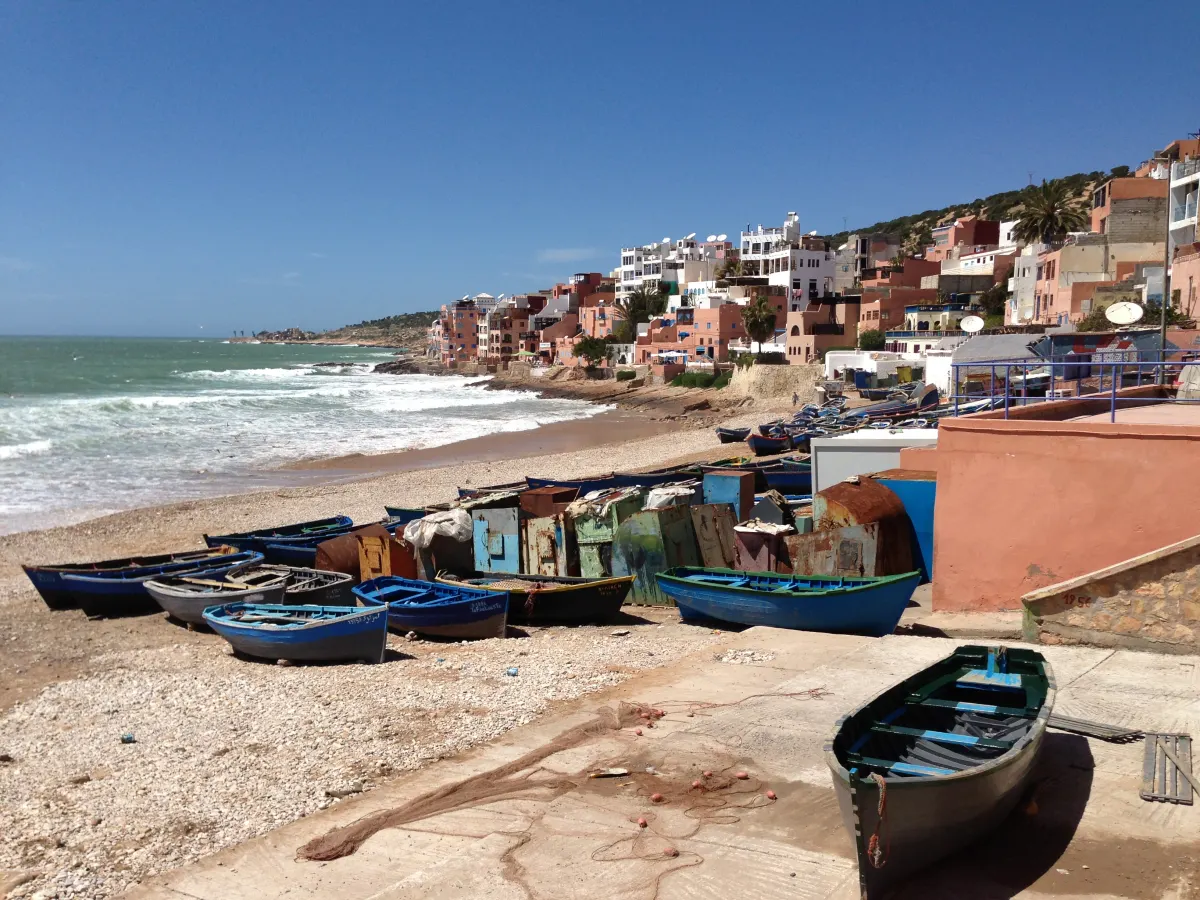
- Imsouane, between Agadir and Essaouira: the Bay, one of Africa's longest waves, soft enough for longboards. Often crowded. Part of the old village was demolished by the authorities in January 2024, and things have changed since.
- Essaouira and Sidi Kaouki: steady wind from April to September. Kite and windsurf, and beginners' surf in the bay.
- Sidi Ifni and Mirleft: quieter, to the south.
- Safi: a heavy, world-class right for experts only. Oualidia: a sheltered lagoon for first lessons.
- Casablanca, Rabat, Mehdia, Larache: city and beach waves, with local clubs.
- Dakhla, famous for kitesurfing, is in Western Sahara. Canada advises against non-essential travel there: see Safety.
Lessons and camps
- A group lesson with board and wetsuit is around 250 to 400 dirhams for half a day. Board and suit hire 100 to 200 a day.
- Surf camps sell a week with bed, meals and lessons, often yoga too. Ask about the instructors' certificates, how many pupils each has (eight at the most), insurance, and what's included.
- Hired instructors drive to whichever beach suits the day. That's what you're paying for.
Getting there
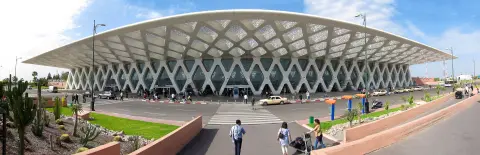
- Agadir airport: a taxi to Taghazout takes 45 to 60 minutes. Agree about 250 to 350 dirhams, or ask the camp.
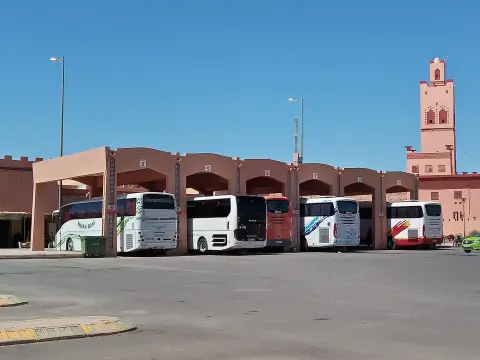
- From Marrakech: a bus to Agadir (about 3½ hours), then a city bus or grand taxi.
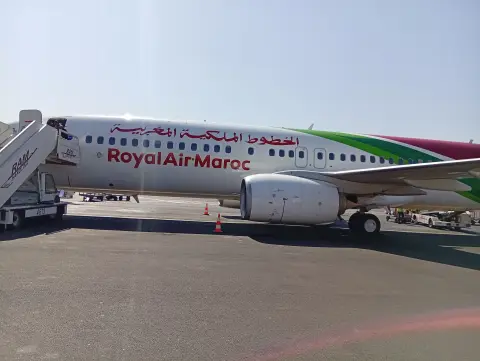
- Airlines charge for boards. Hiring is easier unless you're particular.
Safety
- The UK and France warn of strong currents, sudden waves and few lifeguards. Drownings are frequent. Outside summer, assume nobody is watching.
- Rip current: don't fight it. Float, raise an arm, and swim along the beach until you're out of it.
- Point breaks have rocks, mussels and urchins. Wear boots, and watch where others get in and out.
- After heavy rain keep out of the water near river mouths and towns: it carries sewage.
- Check that your insurance covers surfing. The nearest good clinics are in Agadir.
In the line-up
- The surfer nearest the peak has the wave. Don't drop in, and don't paddle round people.
- Greet, smile, take turns. Locals grew up on these points and fish from them as well.
- Beginners should stay on the beaches, not the points.
On land
- Taghazout is relaxed, but still a Muslim village: cover up away from the beach. It's nearly dry. See Alcohol.
- Don't leave anything in cars or on the sand. Give the car park guardian a few dirhams.
- On flat days: Paradise Valley, the goats and argan trees on the Essaouira road, and the ibises of Souss-Massa.
For swimming, see Beaches.
Natural features
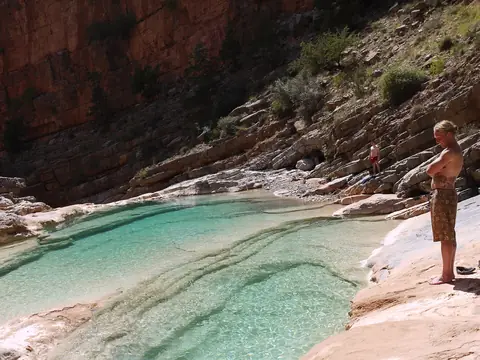
Paradise Valley
Agadir, Souss-Massa
A palm-lined gorge with rock pools for swimming, in the foothills of the Atlas.

Historic sites
Essaouira
Essaouira
A relaxed walled port on the Atlantic, with a UNESCO-listed medina, ramparts with cannons, a busy fishing harbour, and grilled fish at stalls.

Comments