Country guides
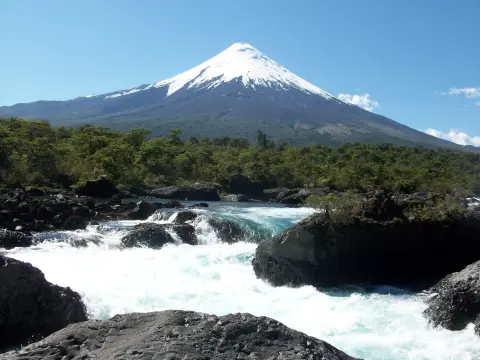
10 days in the Lake District and Chiloé: Pucón, Huerquehue, Puerto Varas, the Petrohué falls, Ancud and Castro
Snow-capped volcanoes over lakes, forests of monkey puzzles, German cakes, and an island of wooden churches and legends.
This plan climbs a little each day, so that by the time you get up at 4 am for El Tatio your body's ready.
Chile's heart in a week: a capital under the Andes, a port of painted houses, a poet's house by the sea, and two wine valleys.
Northern Chile takes you from the sea to over 4,000 metres in a morning.
Most visitors need only a passport. The two things that catch people out are the little slip of paper you get at the border, which you must keep unti…
Chile is cut off by desert, mountains and sea, and works hard to keep pests and diseases out.
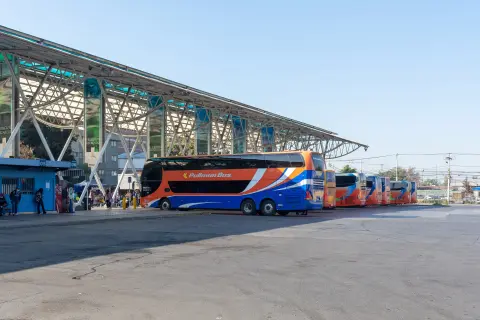
Chile's coaches are some of the best in South America: frequent, punctual, and comfortable enough to sleep in.
Chile protects over a fifth of its land, and many of its parks are among the world's finest.
Chileans are polite, dry-humoured and rather reserved, compared with their neighbours.
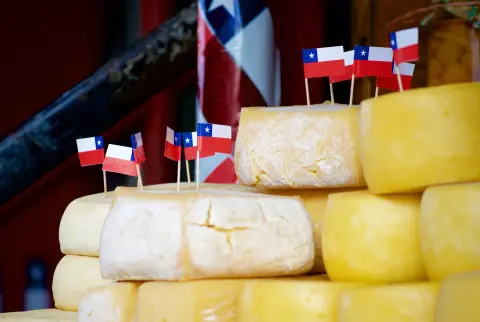
Chilean cooking is homely: bread, beef, corn, potatoes, avocado, and one of the world's great coastlines of seafood.
Between the Andes and the cold Pacific, Chile makes a lot of the world's best-value wine.
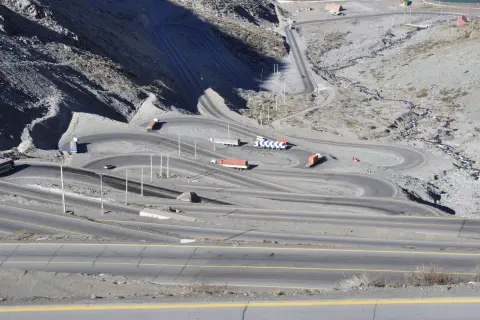
Chile and Argentina share 5,000 km of mountains, and dozens of passes.
Chile's northern borders are high, cold and empty, apart from one: the busy road between Arica and Tacna.
Chile is 4,300 km long, so you'll probably fly.
Outside the cities Chile is a pleasure to drive: good main roads, little traffic, and enormous views.
The Carretera Austral runs about 1,240 km from Puerto Montt to Villa O'Higgins, past hanging glaciers, rainforest and lakes the colour of mint.
Chile has more big earthquakes than almost anywhere, including the strongest ever measured, 9.5 at Valdivia in 1960.
South of Puerto Montt the land breaks up into islands and fjords, and boats take the place of roads.
Santiago has the best metro in South America: clean, quick and cheap, with a train every few minutes.
Chile is one of the healthiest countries in the region for a traveller: no malaria, no yellow fever, and good hospitals.
Chile's laws are applied. The police don't take bribes, tourists aren't let off, and a fire lit in a park can end with deportation.
Chile isn't cheap by South American standards, but it's simple: one exchange rate, no black market, and cards nearly everywhere.
Mobile coverage is good wherever people live, and there's none at all in much of the rest.
Chile protests often, and most marches are peaceful.
Chile is still one of South America's safer countries, and most visits pass without trouble.
Santiago's airport (SCL, Arturo Merino Benítez, often called Pudahuel) is 15 km north-west of the centre.
Chileans say themselves that they speak badly.
In parts of southern Chile there's a long conflict over land that was taken from the Mapuche in the 19th century, and is now mostly forestry plantati…
Chileans tip, in modest amounts. The one that matters is the 10% in restaurants, which is suggested on the bill by law.
There are two kinds of toll in Chile: gantries in and around Santiago that read a TAG on the windscreen, with nowhere to stop, and ordinary toll plaz…
Torres del Paine is Chile's most famous park, and the one that needs the most planning.
Rapa Nui is part of Chile, 3,700 km out in the Pacific, with its own rules to keep the number of people down.
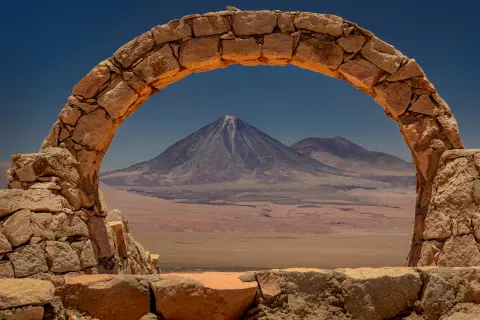
Around San Pedro de Atacama are salt flats, geysers, flamingos and the world's clearest skies.
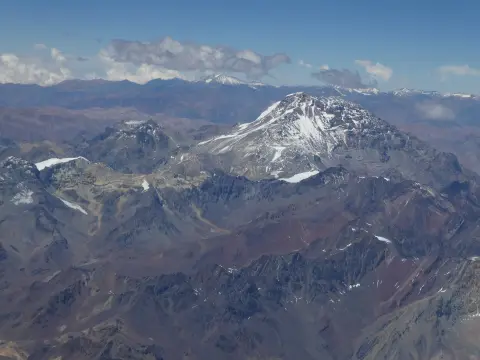
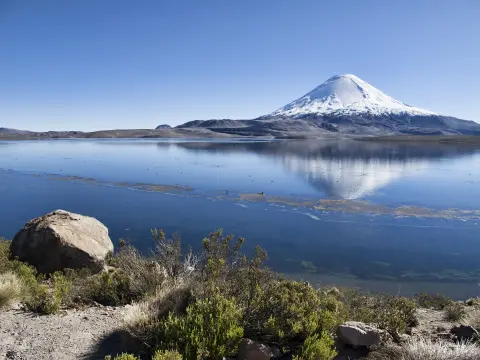
Chile has about 90 active volcanoes, and many of its best holidays are at the foot of one.
Chile is so long that somewhere is always in season.
Every summer forest fires burn in central and southern Chile, and some years they kill.