
When to go to Chile: month by month, Patagonia, the Atacama, Rapa Nui, ski season, holidays, stars and El Niño
Chile is so long that somewhere is always in season. For a first trip that takes in the Atacama, Santiago and Patagonia, November and March are best: long days, fewer Chileans on holiday, lower prices.
By region
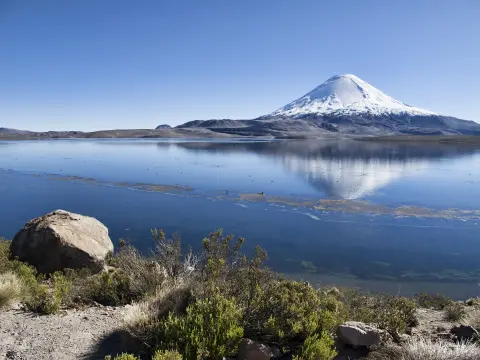
- Atacama (San Pedro): all year. Days of 20 to 28 °C, and nights near freezing from June to August, when El Tatio may be -15. In January and February a little rain can fall on the mountains, which shuts roads and hides stars.
- Santiago and the wine country: Mediterranean. October to April, dry and up to 33 °C in January. Harvest in March. Winter is mild, wet in spells, and smoggy.
- Valparaíso and the coast: grey mornings, even in summer, and cold sea.
- Lake District: December to mid-March, 22 to 26 °C. Rain at any time, most from May to August. April is for autumn colours in Conguillío.
- Chiloé: January and February, and take a raincoat.
- Northern Patagonia (Carretera Austral): December to March.
- Torres del Paine: October to April. Windiest from November to January. March and April are calmer, with red forests. In June it's dark by 5 pm and the snow is deep.
- Rapa Nui: all year, 18 to 28 °C. Showers most in May. January to March is hot and busy.
- Elqui: all year, over 300 clear days.
Busy and dear
- January and February: everyone's holidays. The second half of January to mid-February is the peak for Pucón, Chiloé, the coast and Patagonia.
- Easter: 26 to 28 March 2027.
- Fiestas Patrias: 18 and 19 September, a weekend in 2027, with the weeks on either side busy.
- School winter holidays: about two or three weeks from late June, for the snow and San Pedro.
- Shops must shut on 1 January, 1 May, 18 and 19 September and 25 December. Chile has 17 national holidays in 2027, and some move to a Monday.
Snow
Mid-June to early October: Valle Nevado, La Parva, El Colorado and Portillo near Santiago, Nevados de Chillán, Corralco and Pucón in the south. Check the volcano alerts for the last ones, and the road for chains.
Stars
Choose the week of the new moon: near the full moon tours are cancelled or poor. The Milky Way is best from April to September. The big observatories' public visits are usually at weekends, and free, with booking.
Animals and flowers
- Penguins: Magdalena Island near Punta Arenas, and Puñihuil on Chiloé, from about October or November to March.
- Whales: blue whales off Chiloé from January to March, humpbacks in the Strait of Magellan from December to April.
- Pumas: easiest to see in winter and spring, with a guide.
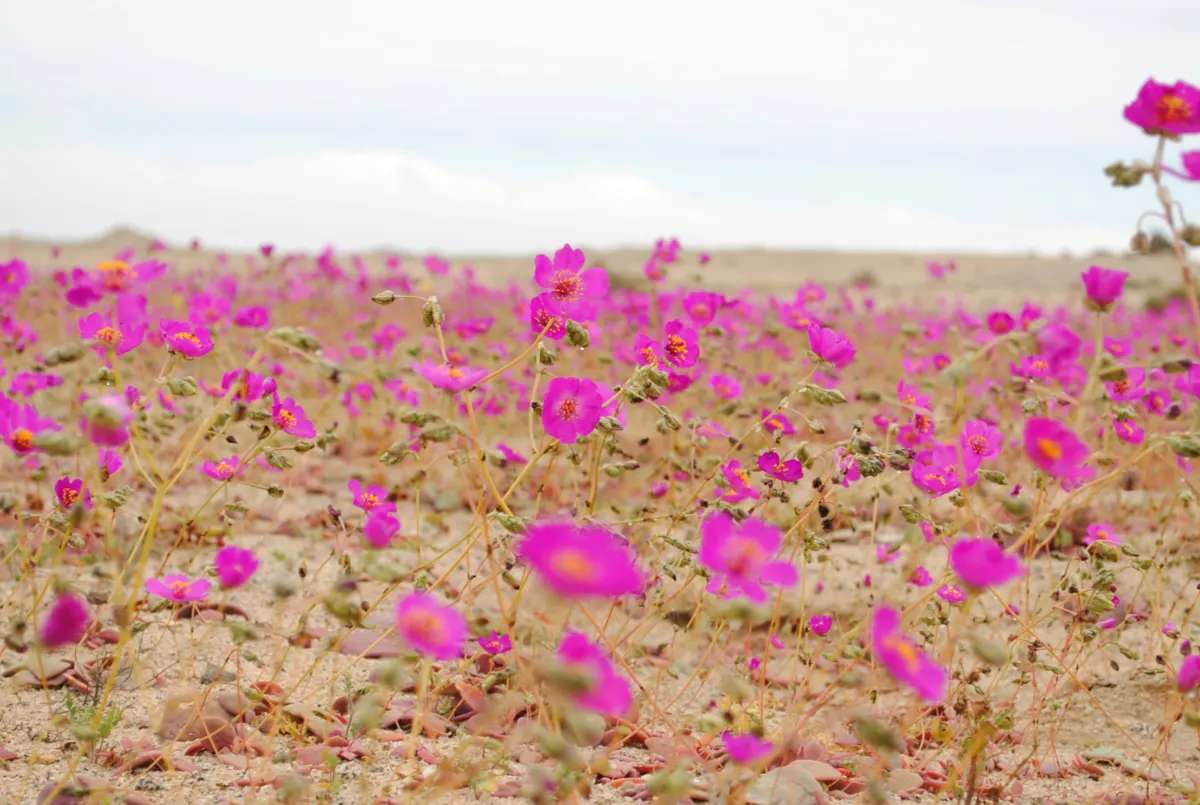
- The flowering desert (desierto florido), round Vallenar and Copiapó, from August to October, after a wet winter only. Never pick or tread on it.
El Niño in 2026–27
Canada's government says it's expected to strengthen into 2027, with a greater risk of storms and floods. Hotter days are forecast in the north, and a bad season for wildfires. In winter 2027 check for floods and mudslides in Santiago's foothills and the desert valleys.
Clocks
- Summer time (UTC-3) runs to 3 April 2027, when clocks go back an hour at midnight, and starts again in early September.
- Aysén and Magallanes stay on summer time all year, so in winter they're an hour ahead of Santiago. Rapa Nui is two hours behind Santiago.
- Midsummer days in Torres del Paine have 17 hours of light.
What to pack
Layers. Sun cream and a hat everywhere, a warm jacket for desert nights, and for Patagonia a proper waterproof that can't be blown off. An umbrella is useless there.
Comments