
Arriving in Chile: who needs a visa, 90 days, the PDI slip, reciprocity fees, children and staying longer
Most visitors need only a passport. The two things that catch people out are the little slip of paper you get at the border, which you must keep until you leave, and the strict food declaration.
Who needs a visa
- No visa, up to 90 days: citizens of the UK, the EU, the USA, Canada, New Zealand, South Africa, Japan, South Korea, Mexico and nearly all of South America. Australians were added on 17 September 2025.
- No visa, up to 30 days: a few countries, including Singapore, Malaysia and Indonesia.
- Indian and Chinese citizens need a visa, unless they hold a US visa (or, for Chinese citizens, a Canadian one) that's valid for at least six more months. Transit visas don't count.
- The length of your stay is decided by the officer, so look at the date you're given. Rules change: check with a Chilean consulate, or the National Migration Service.
Is there a reciprocity fee?
- No. Chile used to charge Americans, Canadians, Australians and others on arrival at Santiago airport. That ended years ago. Australians then needed a paid visa until September 2025.
- There was no online travel authorisation to apply for before you fly in November 2026. Don't pay a website that offers one. The official food declaration is free, and only Rapa Nui has its own entry form, also free.
Your passport
- The UK and Canadian governments say it must be valid for your whole stay. Airlines can ask for more, and the countries next door often want six months.
- You may be asked for a ticket out, where you're staying, and money for your trip. Canada's government and Chile's tourist board give US$46 a day.
- Chilean citizens, including dual nationals, must enter and leave on a Chilean passport.
- Passport stamps are no longer routine. The record is the slip.
The PDI slip (tarjeta de turismo)
- The border police, PDI, give you a tourist card: a receipt-like slip, or on some crossings a larger form. Its official name is Tarjeta Única Migratoria. Photograph it, and keep it.
- You hand it in when you leave. Hotels ask for it with your passport so they can leave out 19% VAT (see Money), and drivers should carry it.
- Lost it? Ask for a free duplicate on PDI's online platform (Duplicado de tarjeta de turismo) or at a PDI office, before you go to the airport.
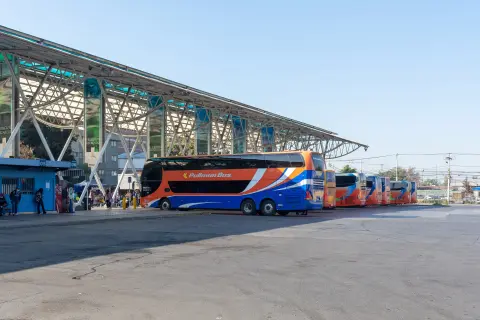
- On buses, make sure you get one: without an entry record you have a problem leaving.
Children
- Anyone under 18 who isn't travelling with both parents needs a notarised permission from the absent parent (or a court order) and a birth certificate, with copies.
- Canada's government says the letter should be apostilled and translated into Spanish. The UK's says parents have had trouble leaving when only one is there, even after arriving together.
- A child born in Chile needs a Chilean passport to leave.
Staying longer
- You can extend once, for up to 90 days, online at the Migration Service, for US$100 (free for children). Apply before your card runs out. The form is in Spanish.
- Many people go to Argentina for the day and come back. Officers don't have to let you in again.
- Overstaying means a fine, set by how many days, which you must settle before you leave. You can report yourself online for half of it.
- Tourists can't work.
By land and by sea
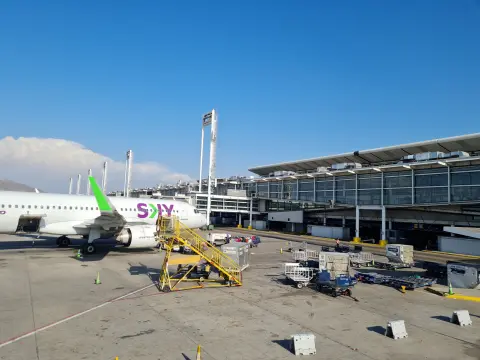
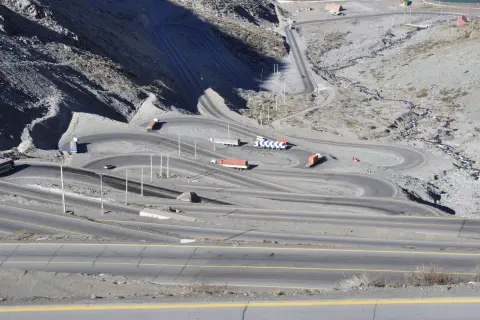
See crossing from Argentina, and from Bolivia and Peru. From Santiago airport into town, see Santiago airport.

Comments