
Bringing food into Chile: the SAG declaration, what's banned, fines, and the customs allowances
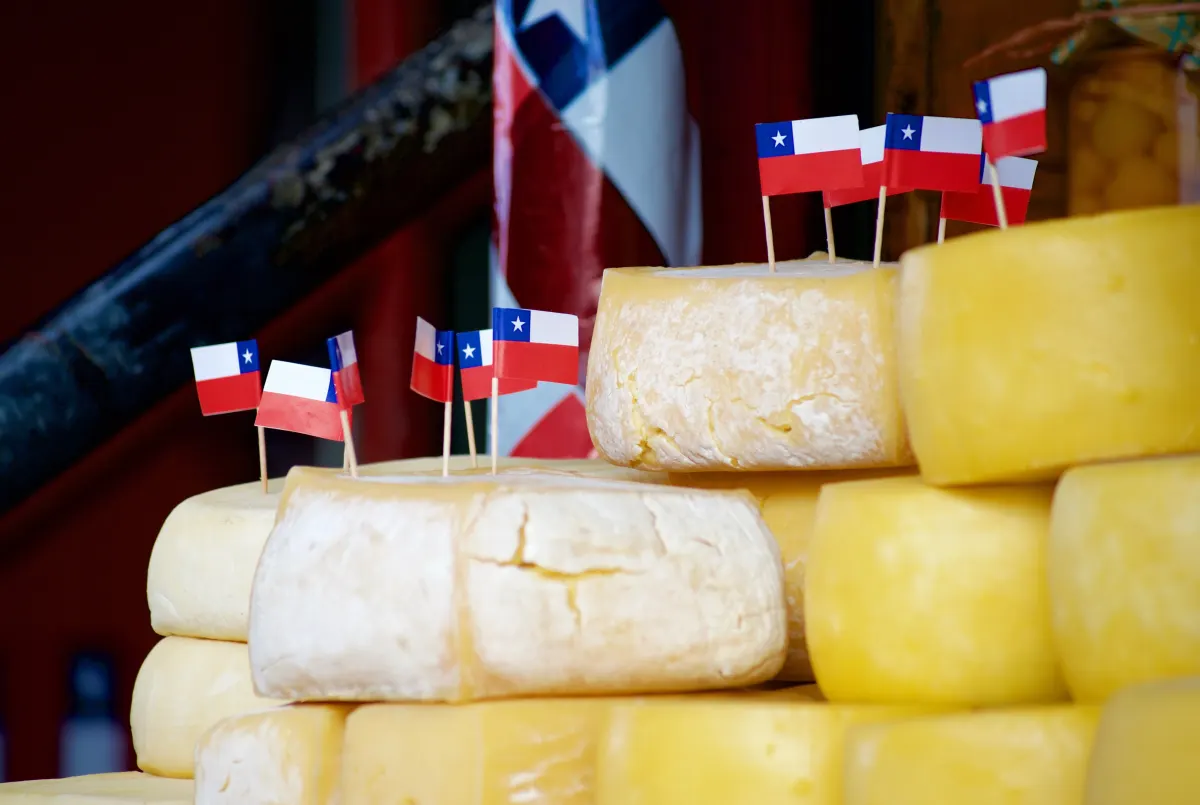
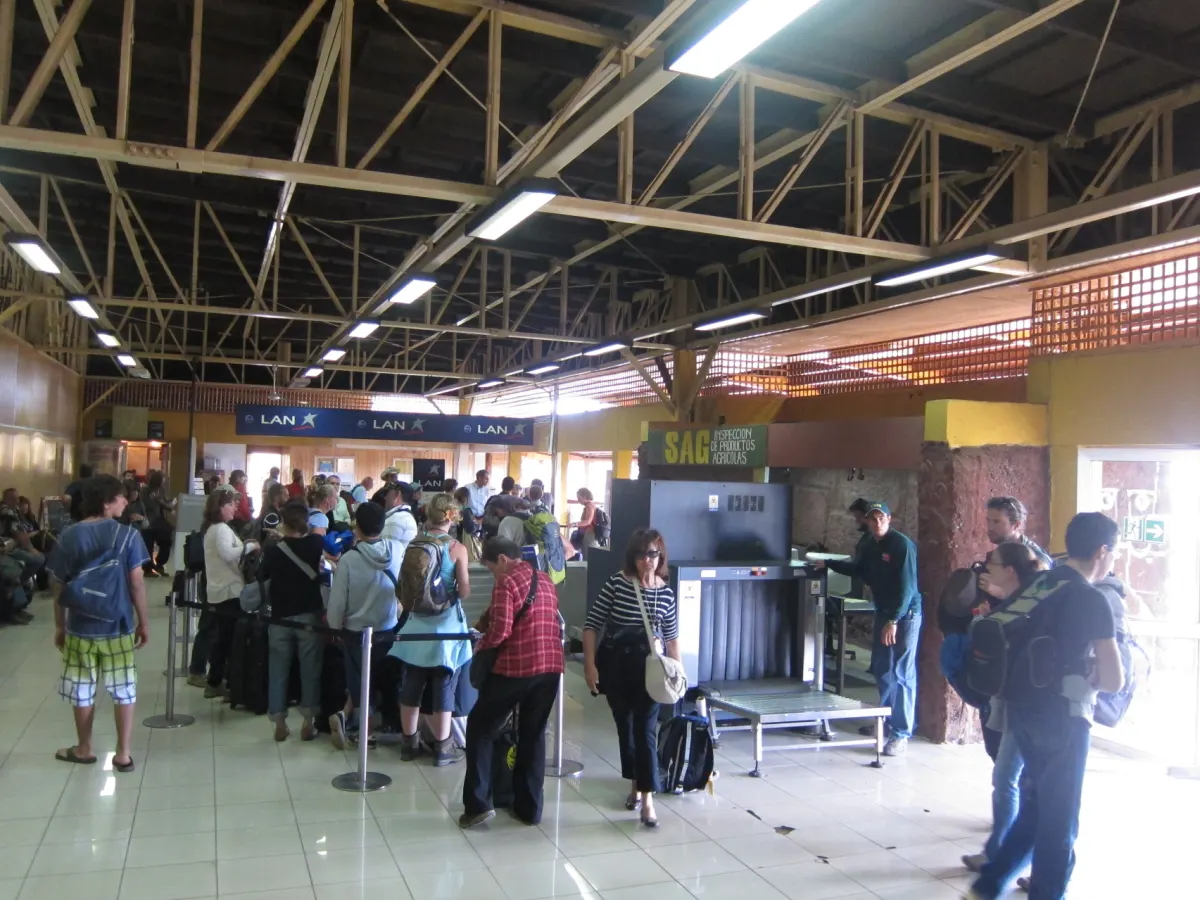
Chile is cut off by desert, mountains and sea, and works hard to keep pests and diseases out. Every bag is X-rayed or sniffed by a dog. You're almost never in trouble for what you declare, only for what you don't.
The declaration
- Everyone aged 18 or over fills in a sworn declaration for the agriculture service, SAG, listing anything of plant or animal origin, however little and however well packed.
- Do it online at ingresoachile.cl, or with the QR codes at the control. It can be done from the day before you arrive, on a phone, and needn't be printed. Some land crossings still use paper.
- It's free. Websites that charge for it aren't official.
- If you aren't sure, answer yes and show it. The inspector keeps what isn't allowed, and that's the end of it.
Leave these behind
- Fresh fruit and vegetables, flowers, plants and seeds for planting.
- Raw meat, raw sausages, and anything with bones.
- Honey and other bee products, unless the label says they've been irradiated. Nothing made from honey can go to Rapa Nui.
- Fresh cheese and home-made dairy foods.
- Unvarnished wood, straw, feathers and bark. Declare wooden and leather souvenirs.
Usually allowed, if you declare them
- Cooked or cured meat that's factory-sealed, labelled and boneless, from countries free of certain diseases.
- Hard cheese, long-life and powdered milk.
- Roasted coffee, tea, chocolate, biscuits, bread, dried pasta, and dried, tinned or cooked fruit and vegetables.
- Up to 30 litres of sealed alcoholic drinks a person, as far as SAG is concerned. Duty is another matter: see below.
Easy mistakes
- The apple or sandwich from the plane, and the one at the bottom of your day pack. Eat it or bin it before the hall.
- Trail mix: raw nuts and seeds may be taken. Open packets fare worse than sealed ones.
- Yerba mate, coca leaves and herbal teas from Argentina, Peru and Bolivia: declare them. Coca leaves aren't allowed in.
- Muddy boots, tents and fishing gear: clean them. The far south is fighting an invasive alga, didymo.
- In a car or bus, everything comes out, including the cool box.
If you don't declare
There's a fine, and you're held up for hours. SAG's pages don't give the amount: it's set in a unit called UTM (about 72,000 pesos in October 2026), so it isn't small. The Canadian government also mentions detention.
Pets
Dogs and cats need an official health certificate, with a rabies vaccination. Ask SAG well ahead. They aren't allowed in national parks.
Customs
- Declare more than US$10,000 in cash, or the same in any currency, in or out.
- Adults can bring 400 cigarettes, 50 cigars or 500 g of pipe tobacco, according to customs. The limit on other goods couldn't be confirmed for 2026, so look at aduana.cl if you're carrying much.
- Drones for your own use, cameras and laptops aren't a problem.
Leaving
You can't take fossils, archaeological objects or anything from a park out of Chile. New Zealand and Australia are as strict as Chile when you get home.

Comments