
Wildfires in Chile: the 2026–27 season, which areas burn, closed parks and roads, and what to do if a fire comes near
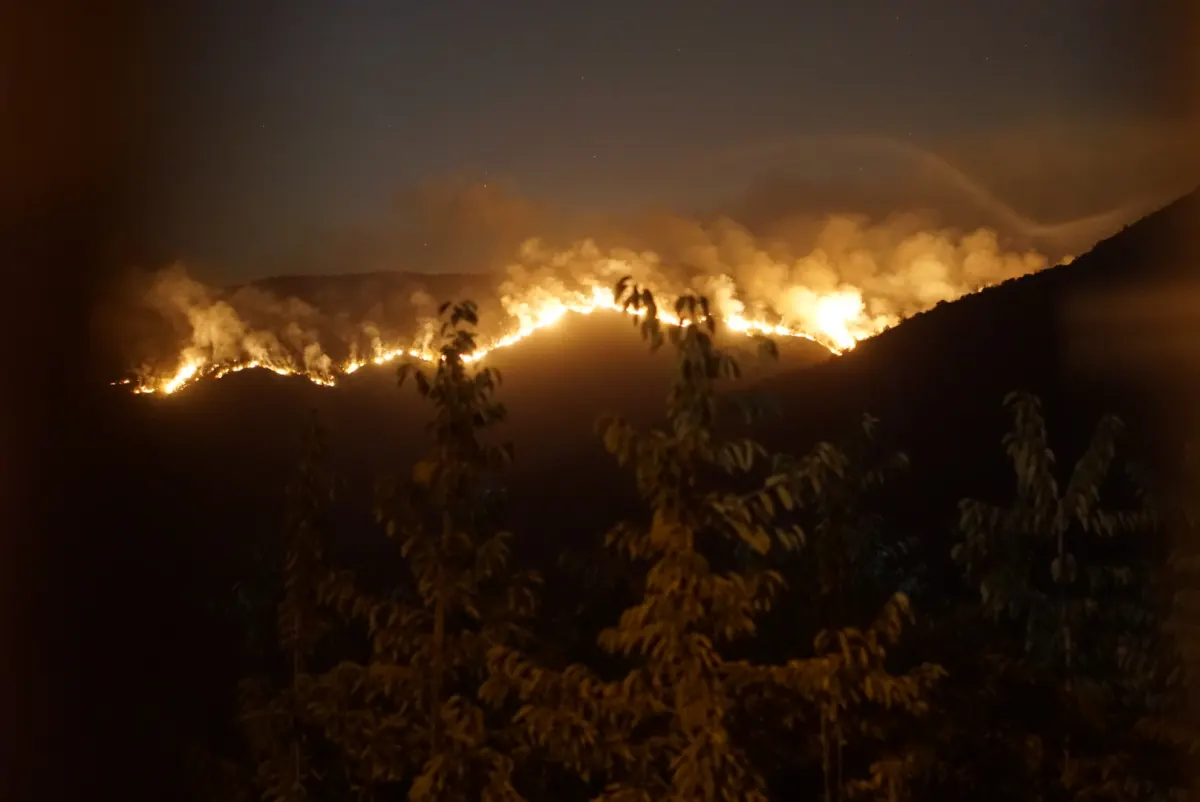
Every summer forest fires burn in central and southern Chile, and some years they kill. In February 2024 one swept into Viña del Mar and killed more than 130 people. In January 2026 a state of catastrophe was declared in Ñuble and Biobío. Most visitors only smell smoke, but have a plan.
The summer of 2026–27
- The forest service, CONAF, warns of one of the hardest seasons in years. A wet winter, with El Niño, grew a lot of grass that's now drying out. January and February are the worry.
- A preventive emergency covers 13 regions, from Atacama to Magallanes. The season now lasts nearly ten months.
Where
- Canada's government names December to March, mainly from Valparaíso to the Araucanía: the coast round Viña, Quilpué and Quillota, the hills of O'Higgins and Maule, and the pine and eucalyptus plantations of Ñuble and Biobío.
- Valparaíso's upper hills burn fast. The tourist hills, Alegre and Concepción, are lower down.
- Torres del Paine and other southern parks have lost huge areas to visitors' fires. The Atacama doesn't burn.
- A day over 30 °C, with under 30% humidity and wind over 30 km/h, is the danger day. Chileans call it 30-30-30.
Before you go
- Follow SENAPRED for alerts, and CONAF for parks. Alerta roja means a fire near people.
- In the forest ask your host two ways out. Keep the car facing out, with fuel.
- Book somewhere you can cancel. Parks such as Conguillío and trails close at short notice, and roads, Ruta 5 included, can shut.
- Power cuts are common. Charge your phone, and have cash.
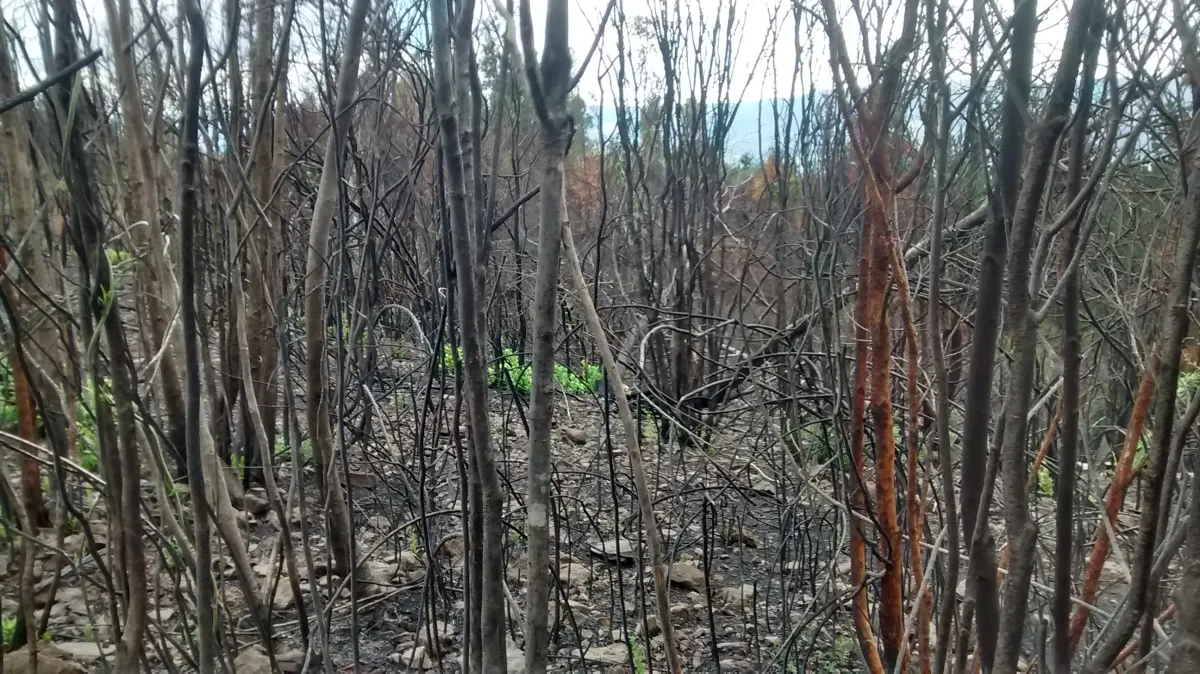
If a fire comes near
- Leave early, on foot or by car, before you're told if you can see flames. An alert on phones says evacuar, and where to: see Phones for why yours may stay silent.
- Go away from the wind's path, downhill, towards burnt ground, water, a beach or a wide road. Don't go up a ravine (quebrada).
- In a car: lights on, windows shut, slowly. If you're caught, stop on bare ground, lie low under something woollen, and wait till the front passes.
- Wear cotton or wool, long sleeves and shoes. Wet a cloth for your mouth.
- Take passport, medicines, phone, water. Leave the rest.
- Call 130 (CONAF) for a forest fire, 132 for firemen, who are all volunteers here.
Curfews and closed areas
In a state of catastrophe there may be a night curfew. Read the terms, carry your passport, and stay out of the zone: the roads are for the fire engines.
Smoke
It can reach Santiago and hide the Andes for days. With asthma, stay in and wear an FFP2 or N95 mask. Flights may be late.
Don't start one
- No open fires in national parks, at all. Stoves only where signs allow. See Laws for prison and expulsion.
- No cigarettes on trails, no toilet paper burnt (that was one of Torres del Paine's fires), no driving on dry grass.
- Barbecues and fireworks are banned in many places in summer.

Comments