
Phones and internet in Chile: SIM cards, the new registration rules, IMEI blocks, eSIMs, coverage and emergency alerts
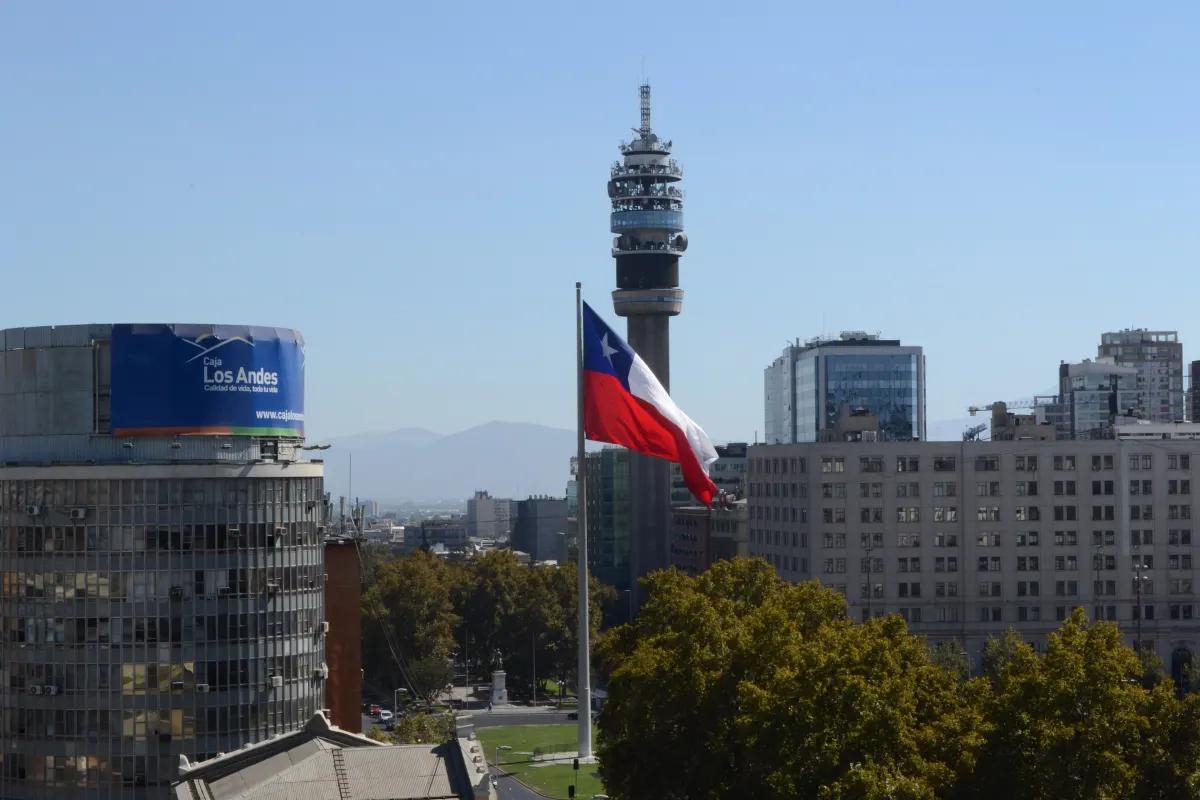
Mobile coverage is good wherever people live, and there's none at all in much of the rest. The rules for local SIM cards were tightened in 2026, so a travel eSIM or roaming is simpler for most short trips.
eSIMs and roaming
- A travel eSIM bought before you leave works as roaming, so you don't have to register anything. Compare prices, and ask which network it uses: Entel is best outside towns.
- Check what your own company charges. Some include Chile.
A local SIM
- Since 20 August 2026 every new prepaid number must be registered to a person before it works, and unregistered ones can't be topped up. Foreigners can use a passport. Expect to show it, and perhaps your PDI slip, or to take a photo of yourself in the company's app, in Spanish.
- Each company has its own way of doing it, and some shops still ask for a Chilean number (RUT). Go to a company's own shop, not a kiosk. Guides disagree on whether you can buy one at Santiago airport.
- The networks are Entel, Movistar, Claro and WOM. A SIM costs a few thousand pesos, and a bundle of some gigabytes for a week or a month about 4,000 to 8,000.
Your phone's IMEI
- A phone bought abroad works with a Chilean SIM for 30 days. After that it's blocked, unless you register its IMEI, free once a year, with one of the firms listed on multibanda.cl.
- You'll need the IMEI (dial *#06#), a photo of your passport, and proof of the day you arrived.
- If you only use roaming or Wi-Fi, you don't have to.
Coverage
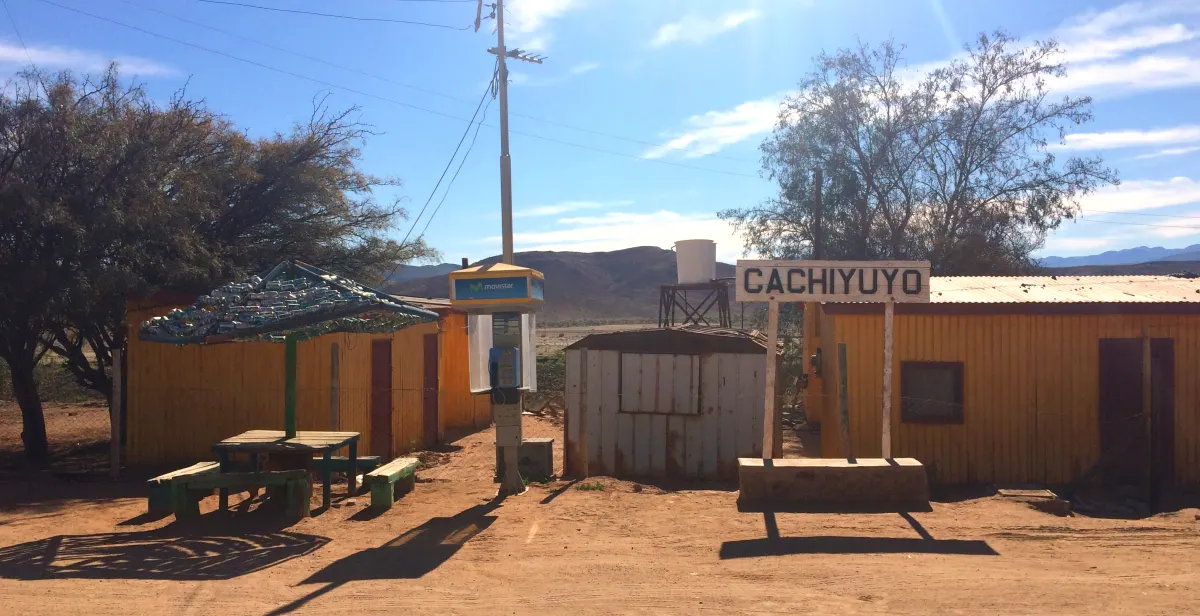
- Good along Ruta 5, in the cities and in Pucón, Puerto Varas and Castro. 4G in San Pedro, but nothing at El Tatio or the high lagoons.
- Torres del Paine: almost none. Save your bookings as pictures. Some refuges sell slow Wi-Fi.
- Carretera Austral: in villages only, mainly Entel.
- Rapa Nui: in and around Hanga Roa.
- Download maps, and Spanish for your translator.
Alerts
Chile sends tsunami, fire and volcano warnings to phones on its network, with a loud siren and a text in Spanish (the SAE system). A foreign phone may not get them, so also follow SENAPRED. Evacuar means leave now. See Earthquakes and tsunamis.
Wi-Fi
Free in nearly all hotels, cafés, big bus stations and many squares. Mountain refuges and remote lodges use satellite, and charge.
Calling
- Chile is +56. Mobile numbers are 9 and eight more digits. Santiago's landlines start with 2.
- 131 ambulance, 132 fire, 133 police, 134 PDI, 137 sea rescue, 130 forest fires.
- Everybody uses WhatsApp: hotels, tours, buses and restaurants.
Plugs
220 volts, types C and L (three pins in a line). A two-pin European plug fits most sockets. Others need an adaptor.
Useful apps
Google Maps or Maps.me, Uber or Cabify, Windy for Patagonia's wind, and Recorrido for buses. Keep hold of your phone in the street: see Safety.


Comments