
Earthquakes and tsunamis in Chile: what to do, evacuation routes, how strong buildings are, alerts and drills
Chile has more big earthquakes than almost anywhere, including the strongest ever measured, 9.5 at Valdivia in 1960. It's also one of the best prepared countries: modern buildings sway and stand. The sea is the greater danger.
How likely is it?
- You may well feel a small one, a temblor. Chileans don't look up from their coffee. A terremoto is one that breaks things.
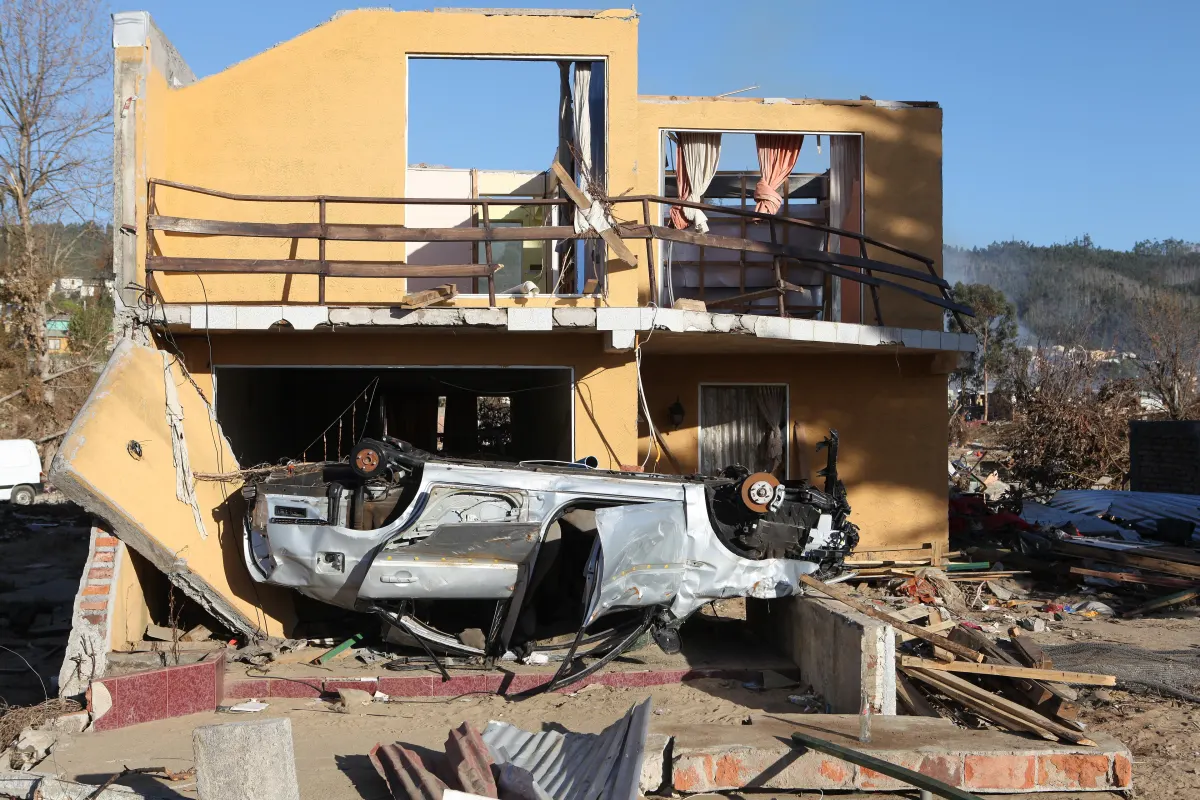
- An 8.8 in 2010 killed over 500 people, many in the tsunami. An 8.3 in 2015, after a million people were moved from the coast in time, killed about 15.
- In May 2026 a 6.8 shook the north. The viewpoint of Ckari in the Valle de la Luna was closed after an earthquake that month.
When it shakes
- Indoors: stay in. Get away from windows, shelves and lamps, and get under a strong table or beside a pillar. Hold on. Doorways are no safer in new buildings.
- In bed: stay there, with a pillow over your head.
- Don't use the lift, and don't run out: glass and tiles fall by the door.
- Outdoors: move away from walls, wires and trees.
- Driving: slow down and stop, not on a bridge, under one or in a tunnel.
- Old adobe buildings, as in San Pedro and the villages of the centre, are the risky ones. Get out of those if you can do it at once.
If you're by the sea
- If the shaking is so strong that it's hard to stand, or it lasts long, don't wait for an alarm. Go. The first wave can come within 15 minutes.
- Walk, don't drive, to 30 metres above the sea, following the green signs vía de evacuación to a punto de encuentro (meeting point) or a zona segura.
- If the sea draws back, run.
- If you can't get to a hill, go up to the fourth floor or higher of a concrete building.
- Stay for hours. Later waves can be bigger. Come down only when the authorities say so.
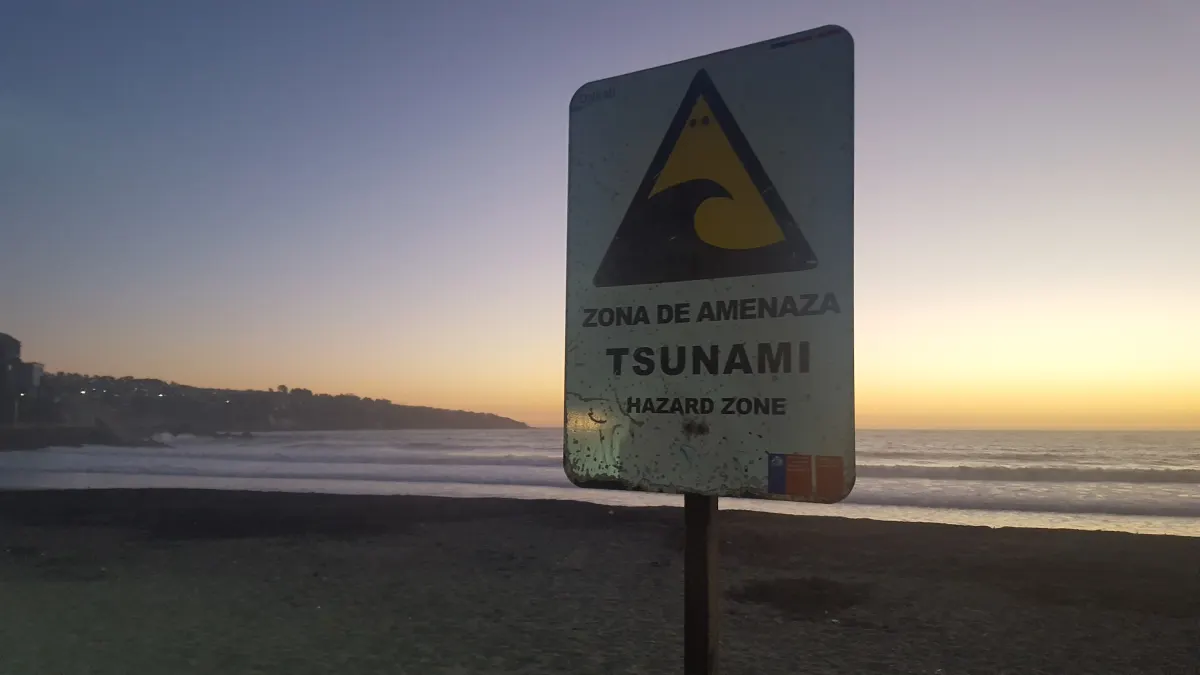
- Signs with a wave, zona de amenaza de tsunami, show where the danger starts.
In Valparaíso, Viña, La Serena, Iquique, Arica, Chiloé's coast and Hanga Roa on Rapa Nui, look at the route on your first day.
Alerts
- Phones sound a siren with a message in Spanish, and some beaches have sirens. A foreign phone may not get it: see Phones.
- Follow SENAPRED (disasters) and SHOA (tsunamis) on X. Alerta or alarma de tsunami: evacuar means go. Estado de precaución: keep off the beach. Cancelado: it's over.
- An earthquake across the Pacific sends waves too, with hours of warning.
- In May 2025 the whole coast of Magallanes was cleared after a 7.4 off Cape Horn. No damage came of it.
Afterwards
- Aftershocks (réplicas) go on for days. Wear shoes, and keep out of cracked buildings.
- Check for gas. Don't light anything.
- Send a text or WhatsApp, and don't call: the lines jam. Tell your embassy and family.
- Shops and cash machines may shut. Roads and Santiago's airport may close for a day.
In your hotel
- Read the card on the door, and find the stairs.
- Keep shoes, a torch, your passport, phone and water by the bed.
- Decide where you'd meet the others.
Drills
Coastal towns hold evacuation drills (simulacro). If a siren sounds and people are strolling uphill, go with them. And for the swell that comes without any earthquake (marejadas), which sweeps people off rocks and promenades, keep back when there's a warning.

Comments