
Laws in Chile that catch visitors out: drugs, drinking in public, smoking, fires in parks, politics, heritage and ID
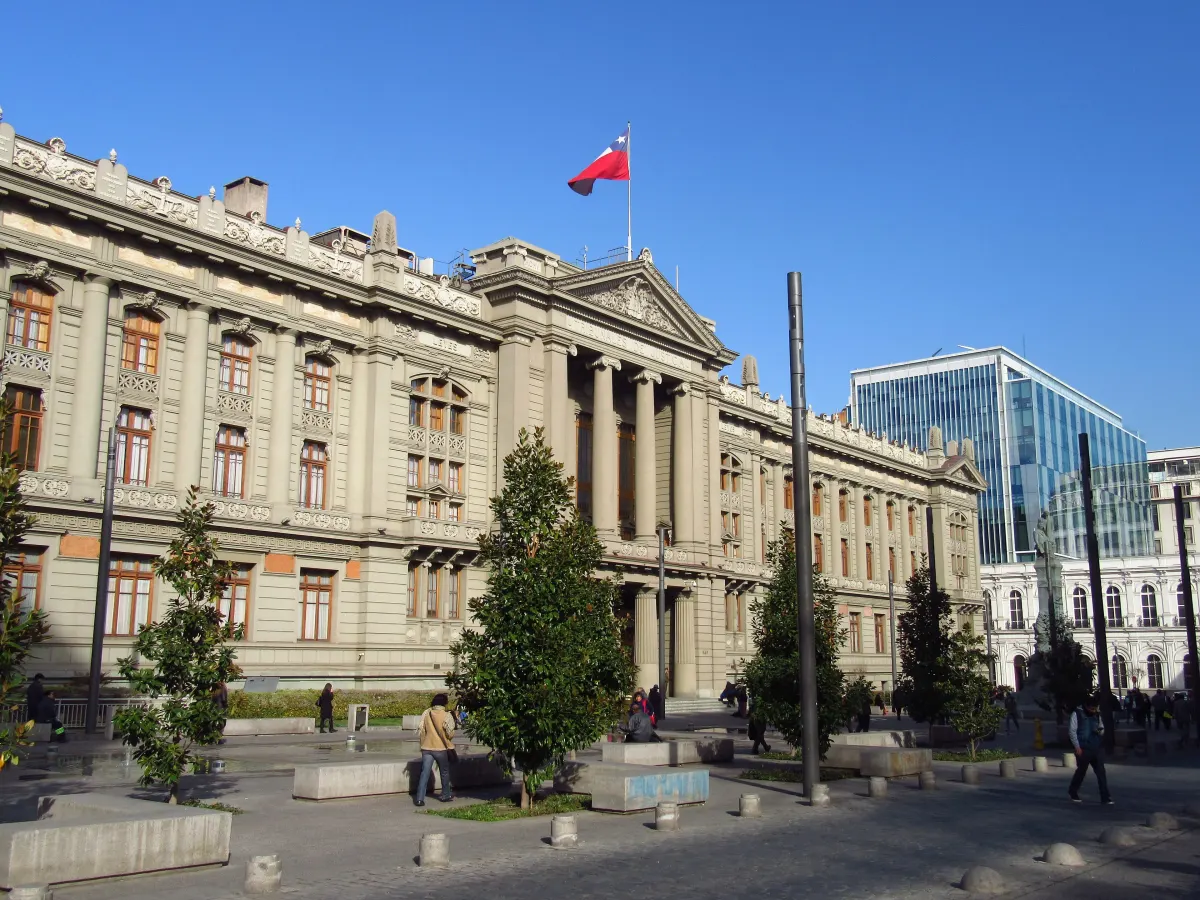
Chile's laws are applied. The police don't take bribes, tourists aren't let off, and a fire lit in a park can end with deportation.
Drugs
- The UK and Canadian governments say that possession or use can mean prison, and that penalties are severe.
- You'll smell cannabis everywhere, and Chileans may tell you it's legal. What isn't punished is private personal use, alone. Using it in public, sharing it, carrying it, selling it and growing it without a medical permit are offences. For a foreigner it isn't worth it.
- Coca leaves, coca tea and CBD products can be taken at the border: see the SAG rules.
- Never carry anything for somebody else, above all from Bolivia or Peru.
- Bring prescription medicines in their boxes, with a letter: see Health.
Alcohol
- Drinking in streets, squares, parks and on beaches is illegal. Police pour it away and may fine you.
- The age is 18. For driving, read Driving: the answer is none.
Smoking
- Banned in all enclosed public places, bars and restaurants included, and in many outdoor ones. Vapes count as tobacco.
- Since 2022 smoking is banned on beaches, river banks and lake shores, close to the water, and dropping cigarette ends there is an offence.
- In parks a cigarette is a fire.
Fire
- Any open flame in a national park is banned, apart from stoves in marked places. That includes a camping stove on the path.
- The penalties are heavy fines, prison if a forest burns, and for tourists losing your permit and 72 hours to leave. It has happened, after great fires in Torres del Paine in 2005 and 2011. See Wildfires.

Politics
- The UK government says you can be deported for taking part in, or promoting, violent acts that disturb the social order. Canada's goes further: it says political activity by foreigners is banned, and that demonstrating or encouraging dissent, even on social media, can lead to arrest or deportation.
- So watch marches from a distance: see Protests.
Heritage
- Graffiti, scratching or climbing on monuments and rocks can bring fines and prison. Canada's government says people who are held may not be allowed to leave the country while it's looked into.
- On Rapa Nui, touching moai or walking on platforms: fines of 5 to 100 UTM under the law on monuments, that is, from a few hundred thousand pesos to millions.
- Desert geoglyphs are ruined for ever by one set of tyre tracks. Keep to the road.
- Taking fossils, arrowheads, mummies or shells from sites is a crime.
Drones
Banned for fun in all national parks, on Rapa Nui without permission, over crowds, and near airports and bases. The authority is the DGAC, and big ones must be registered.
Wild animals
Feeding or touching them in parks is against the law. That includes foxes, penguins and sea lions.
Photos
Don't photograph military sites, soldiers, border posts or ports. In the north some areas are mined: see the northern borders.
Identification
You must be able to show who you are. The UK government advises carrying a printed copy of the passport's photo page, with the real one locked up, except when you drive, take a bus or check in.
If you're arrested
- Ask for your embassy to be told, and for a lawyer (defensor público) and an interpreter, which are free. Don't sign what you can't read.
- You must see a judge within 24 hours.



Comments