
Health in Chile: clinics and insurance, tap water, hantavirus, sun, smog, dengue, rabies, spiders and pharmacies
Chile is one of the healthiest countries in the region for a traveller: no malaria, no yellow fever, and good hospitals. The things to prepare for are the sun, the altitude in the north (its own page), and the bill.
Doctors and hospitals
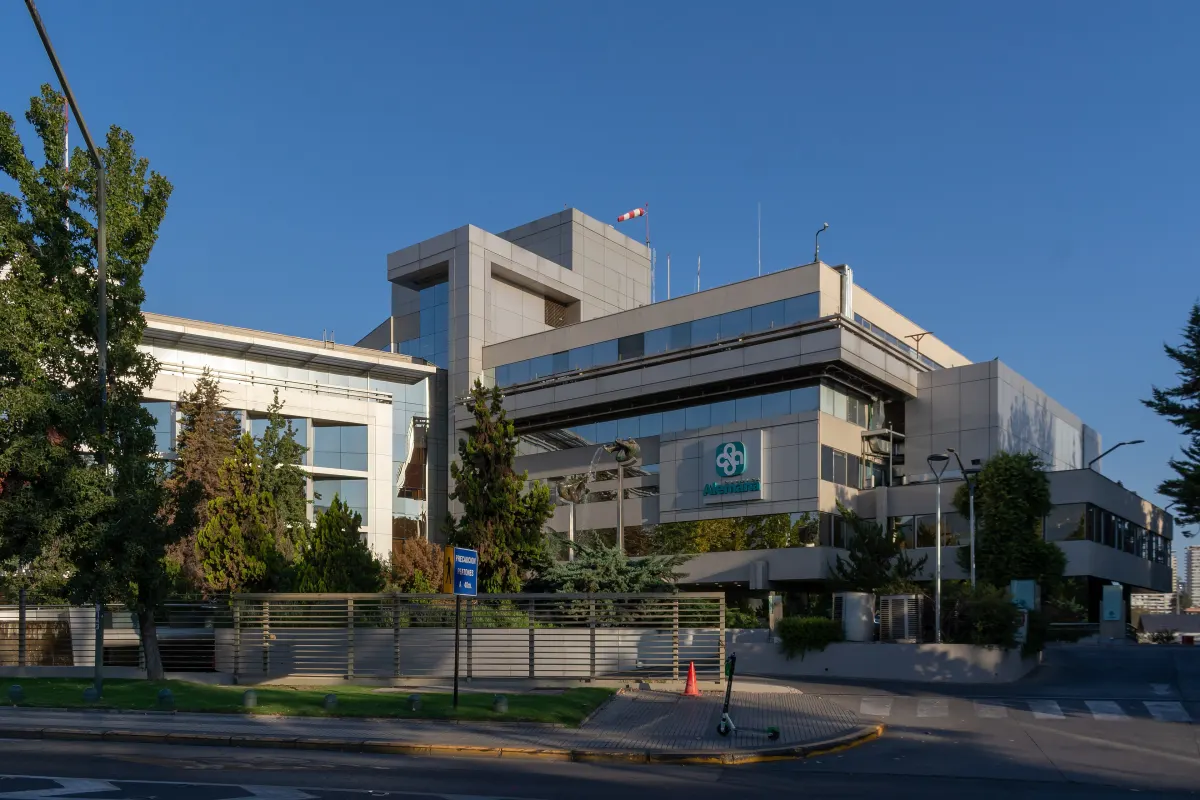
- Private clinics in Santiago are excellent: Clínica Alemana, Las Condes, UC Christus and others. Cities have good ones, and villages a small public post (posta or CESFAM).
- They're expensive, and want a card or a deposit first. Public hospitals treat emergencies, and charge foreigners.
- Insurance should cover evacuation and helicopter rescue, trekking, and the height you'll reach. Rapa Nui has one small hospital: the seriously ill are flown out.
- 131 is the ambulance (SAMU). In towns a taxi may be quicker.
Vaccinations
None is required. Canada recommends hepatitis A and B for all, and being up to date with measles. Ask about rabies for long or rural trips, and typhoid. There's no yellow fever rule for Chile, but Bolivia and Brazil have one or recommend it.
Water and food
- Tap water is safe in Santiago and most of the country. It's full of minerals, so some stomachs need a day or two.
- In San Pedro de Atacama and other desert villages, drink bottled or purified water: there can be arsenic. On Rapa Nui and in Torres del Paine's streams, purify it too.
- Wash raw salad and low fruit. Cook shellfish, and never gather it (marea roja): see Food.
Hantavirus
- A rare but deadly virus, spread by the long-tailed mouse through its urine, droppings and saliva, often as dust. There's no vaccine.
- In July 2026 Chile declared its first health alert for it, in 13 regions from Atacama to Magallanes, until 31 July 2027. By early August there had been 49 cases and 19 deaths that year.
- Camp in authorised sites, on cleared ground, in a tent with a floor and no holes. Keep food sealed, and rubbish away.
- Air a hut or shed for 30 minutes before you go in, and wet the floor with diluted bleach, rather than sweeping it.
- Don't drink from unwashed cans, sit in long grass or on woodpiles, or touch mice. Wash wild berries.
- Fever, muscle pain and stomach trouble up to six weeks after: go to a hospital, and say where you've been.
Sun
The ozone layer is thin over the south, and the desert is high. Use factor 50, hat and sunglasses, even under cloud, from September to March especially.
Smog
Santiago's air is bad from May to August, and in Temuco, Osorno and Coyhaique wood smoke is as bad. With asthma come in another season, or go to the coast.
Bites
- Dengue: only on Rapa Nui, with 24 cases by May 2026. Use repellent by day there.
- Dogs: wash a bite for 15 minutes and see a doctor about rabies. It's carried mainly by bats here.
- Corner spider (araña de rincón): small, brown, behind furniture and in clothes. Shake them out. Its bite can be serious. The black widow (araña del trigo) lives in wheat fields.
- Tábanos: big horseflies in the Lake District in January. They hate light colours.
- No dangerous snakes.
Cold water
The Pacific is 12 to 17 °C, with strong currents. Swim only where there's a green flag (red means don't), and keep off rocks when there's a swell warning. Lakes are cold too.
Pharmacies
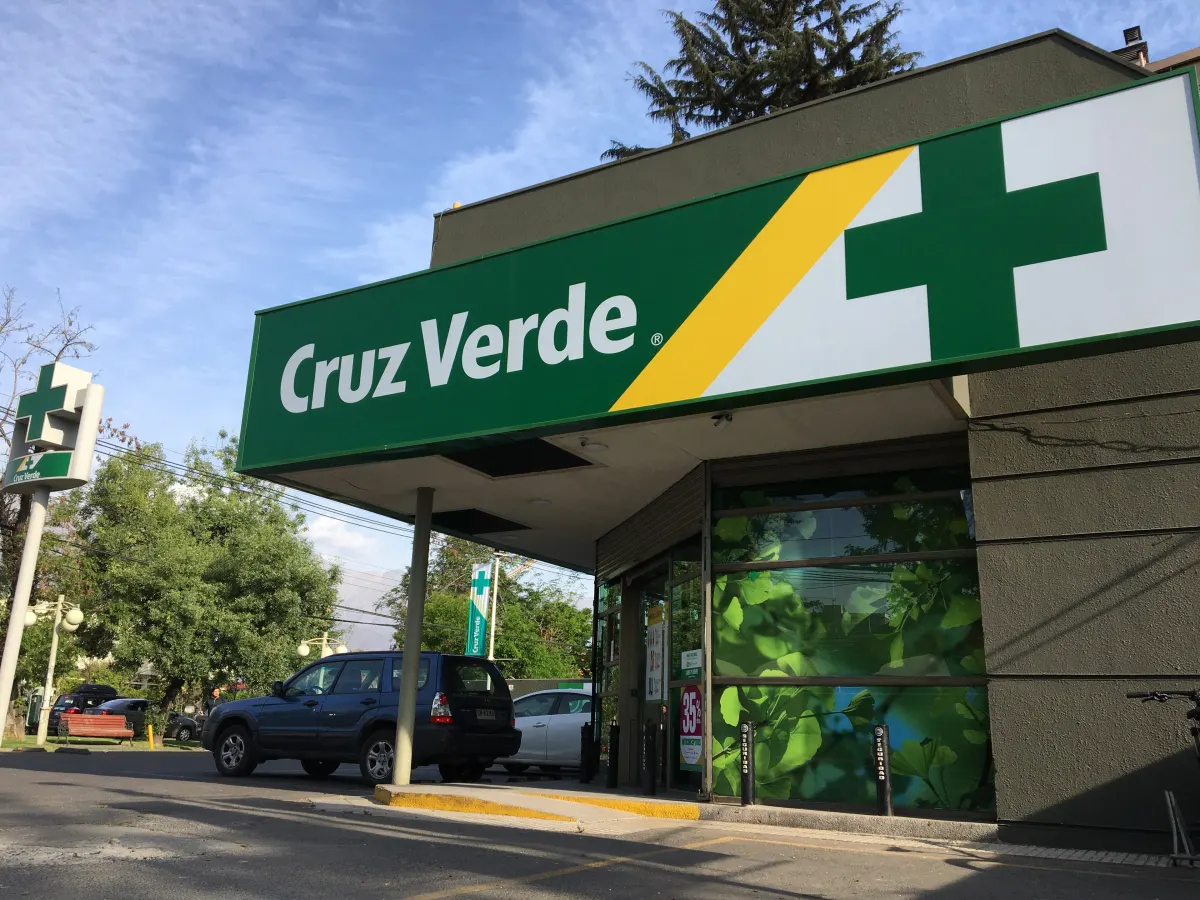
- Cruz Verde, Salcobrand and Ahumada are on every main street, some open all night (de turno). Antibiotics and many others need a Chilean prescription (receta).
- Bring your own, in the box, with a letter. Check with the embassy if they contain opioids, stimulants or sedatives.
Comments