
Altitude in Chile: San Pedro, El Tatio, the lagoons, Lauca and Bolivia, how to acclimatise and the warning signs
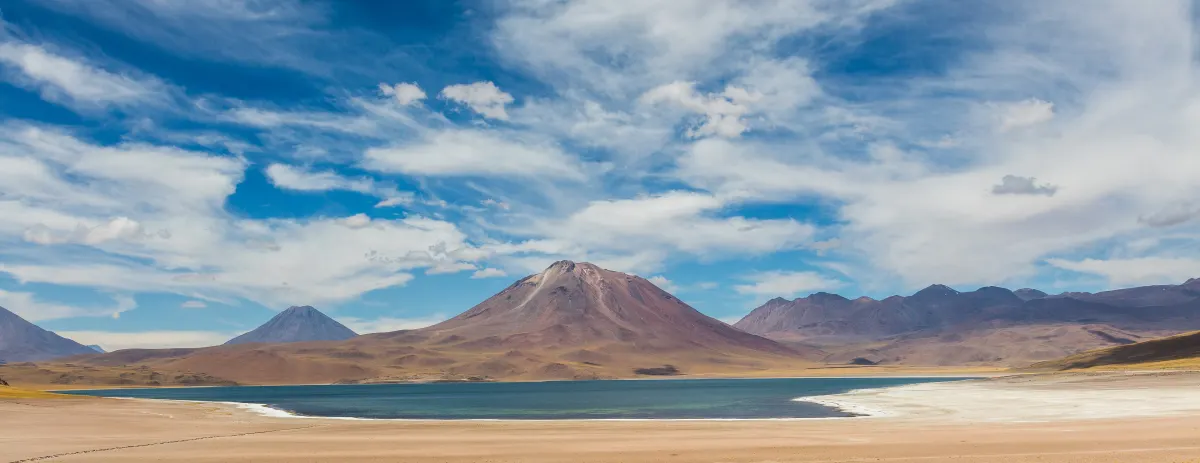
Northern Chile takes you from the sea to over 4,000 metres in a morning. Nearly everybody can do it, if they go up in steps. Those who don't can be very ill.
How high
- San Pedro de Atacama 2,400 m: you may feel a little short of breath. Valle de la Luna about 2,500, and the salt lagoons (Chaxa, Cejar) 2,300.
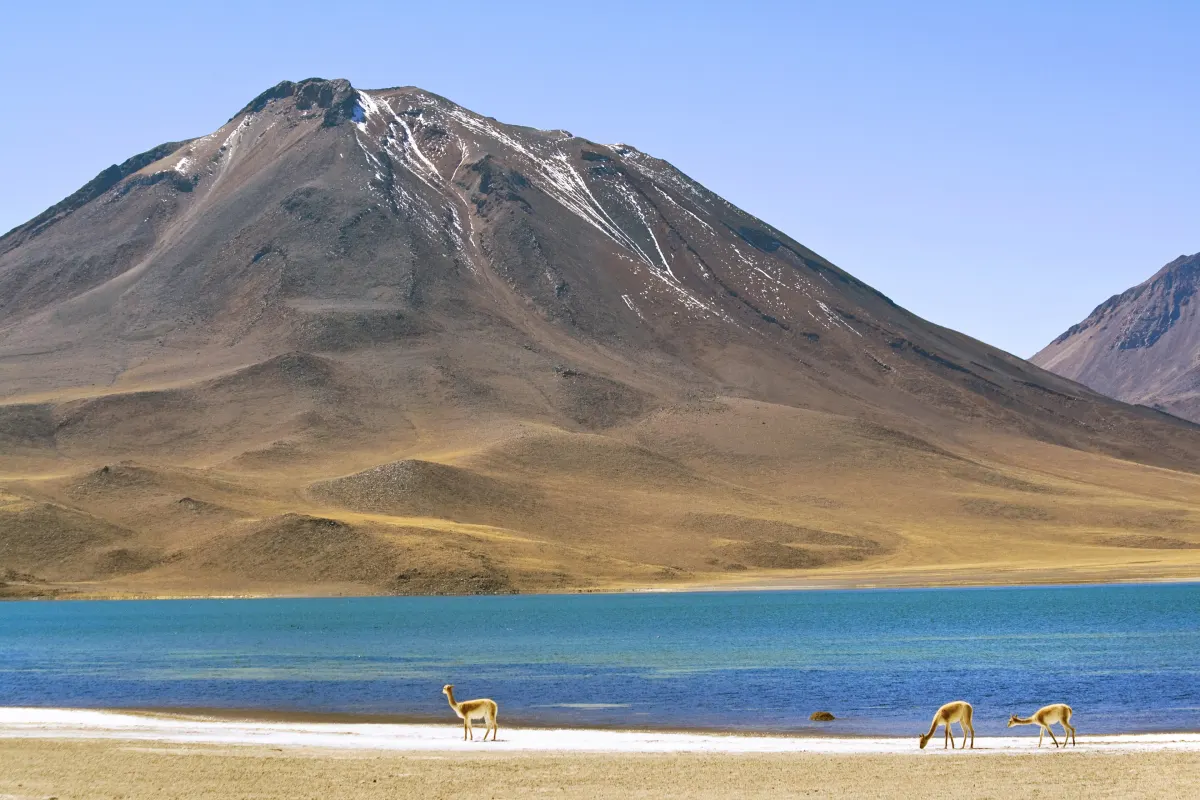
- Puritama hot springs 3,500. Miscanti and Miñiques about 4,120. Piedras Rojas about 4,000. El Tatio 4,300.
- Roads: Jama pass up to 4,800, Hito Cajón 4,500, and on the Uyuni tours almost 5,000, with nights at 4,200 or more.
- Putre 3,500, and Lake Chungará in Lauca over 4,500, two hours by car from the sea at Arica.
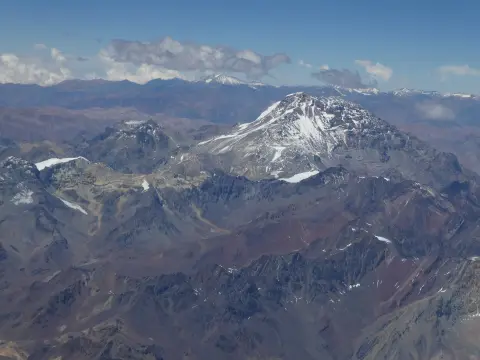
- Los Libertadores 3,200. Valle Nevado and the ski resorts above Santiago about 3,000. Volcanoes near San Pedro, such as Lascar, over 5,500.
- Santiago is at 570 m, and Patagonia is low: Torres del Paine isn't an altitude problem.
A safe order
- San Pedro: day 1 rest and an evening walk. Day 2 Valle de la Luna or the low lagoons. Day 3 something at about 3,500 (Puritama) or the high lagoons, slowly. El Tatio on day 3 or 4, never the first morning. It means getting up at 4 am in the cold as well.
- Uyuni: after three nights, and a day trip above 4,000.
- Lauca: one night, better two, in Putre. The day trip from Arica, up 4,500 m and back, makes many people sick, so if you must, ask for a bus with oxygen.
- Above 3,000 m don't sleep more than about 500 m higher each night.
What helps
- Water, light meals, no alcohol, no hard exercise, and walking slowly.
- Acetazolamide (Diamox), from your doctor at home. Try it first. It isn't for people allergic to sulpha drugs.
- Coca or chachacoma tea is the local remedy. There's little proof that it works, and coca may be taken from you at a border: see SAG.
- Don't smoke, and don't take sleeping pills.
Signs
- Mild: headache, tiredness, feeling sick, bad sleep. Rest, go no higher. If it's no better in a day, go down.
- Dangerous: breathless at rest, a wet cough, confusion, stumbling as if drunk. Go down at once, at night too, and get oxygen. It kills.
- Test: walk heel to toe in a straight line. If you can't, go down.
Who should ask a doctor
- People with heart or lung disease, high blood pressure that isn't under control, sickle cell, epilepsy, or who've been ill at altitude before.
- Pregnant women: tours above 3,500 m usually won't take you.
- Small children can't tell you. Agencies have their own minimum ages for El Tatio. Keep to the low trips.
- Divers: wait 24 hours after a dive, as on Rapa Nui, before flying or going up.
Help
San Pedro has a small clinic, with oxygen. The nearest hospital is in Calama, 100 km away and lower. Putre has a health post, and the hospital is in Arica. Guides should carry oxygen: ask before you pay.
Driving
If the driver has a headache, stop and go back. Cars lose power too. Leave a jeep's engine to warm up, and carry water, food and a blanket: see Driving.
And also
At this height the sun burns in 15 minutes and nights fall to -15 °C. Crisp packets burst, and so do some shampoo bottles.
El Tatio Geysers
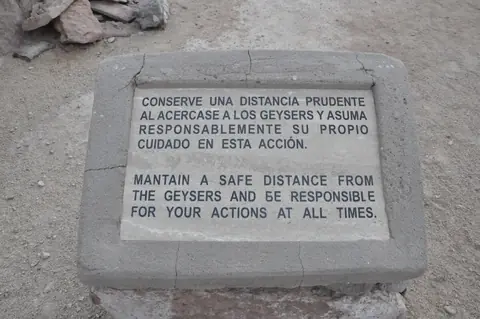
A geyser field at 4,300 m that steams at sunrise.
Lauca National Park
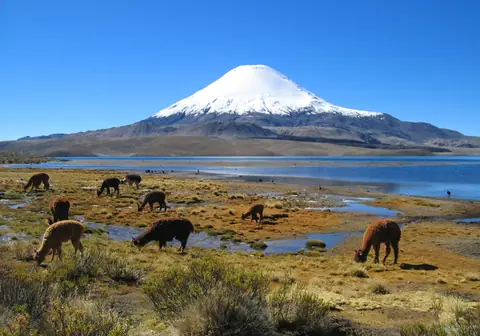
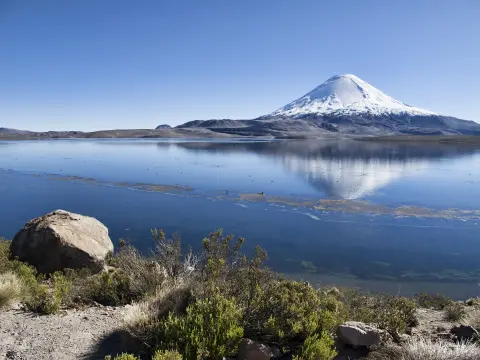
Lake Chungará at 4,500 m below the twin Parinacota volcanoes, with flamingos, vicuñas and a whitewashed Aymara church.

Comments