
Chilean wine and pisco: the valleys, carmenère, visiting wineries, pisco sours, terremotos, beer and drinking rules
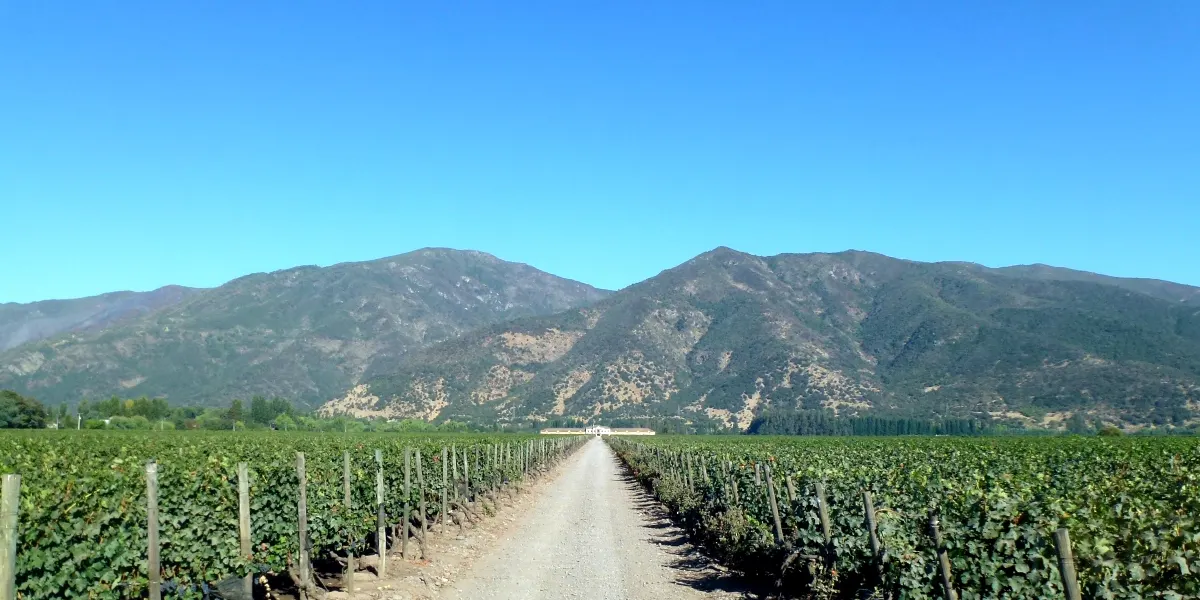
Between the Andes and the cold Pacific, Chile makes a lot of the world's best-value wine. Farther north, in valleys of cactus and stars, the grapes become pisco.
What to order
- Carmenère: Chile's own grape, lost from Bordeaux and found here in 1994. Cabernet sauvignon from Maipo and Colchagua. Syrah from the cooler hills.
- Sauvignon blanc, chardonnay and pinot noir from Casablanca, San Antonio and Leyda, near the sea.
- País and cinsault from Itata and Maule: light, rustic, fashionable again.
- Supermarkets sell good bottles from 5,000 pesos. In a restaurant the vino de la casa is usually fine. Corkage (descorche) is common.
The valleys
- Maipo: Santiago's outskirts. The big names, and some by metro and taxi.
- Casablanca: on the road to Valparaíso, an hour from both. The easiest day.
- Colchagua: red wine, hills and good hotels around Santa Cruz, 3 hours south. Worth a night or two.
- Aconcagua, Curicó, Maule: fewer visitors.
- Elqui and Limarí: wine as well as pisco, up to 2,000 m.
Visiting
- Book, a day or two ahead (more at weekends): most wineries don't take people who just turn up. Many close on Monday, and some on Sunday.
- A tour and tasting is commonly 20,000 to 45,000 pesos, and an hour and a half. Two in a day is enough.
- Don't drive: the limit is so low that a tasting breaks it, with heavy penalties: see Driving. Hire a driver, take a tour, or cycle in Colchagua and Casablanca.
- Harvest is from late February to April, with festivals (fiesta de la vendimia). Santa Cruz's is the biggest.
Pisco
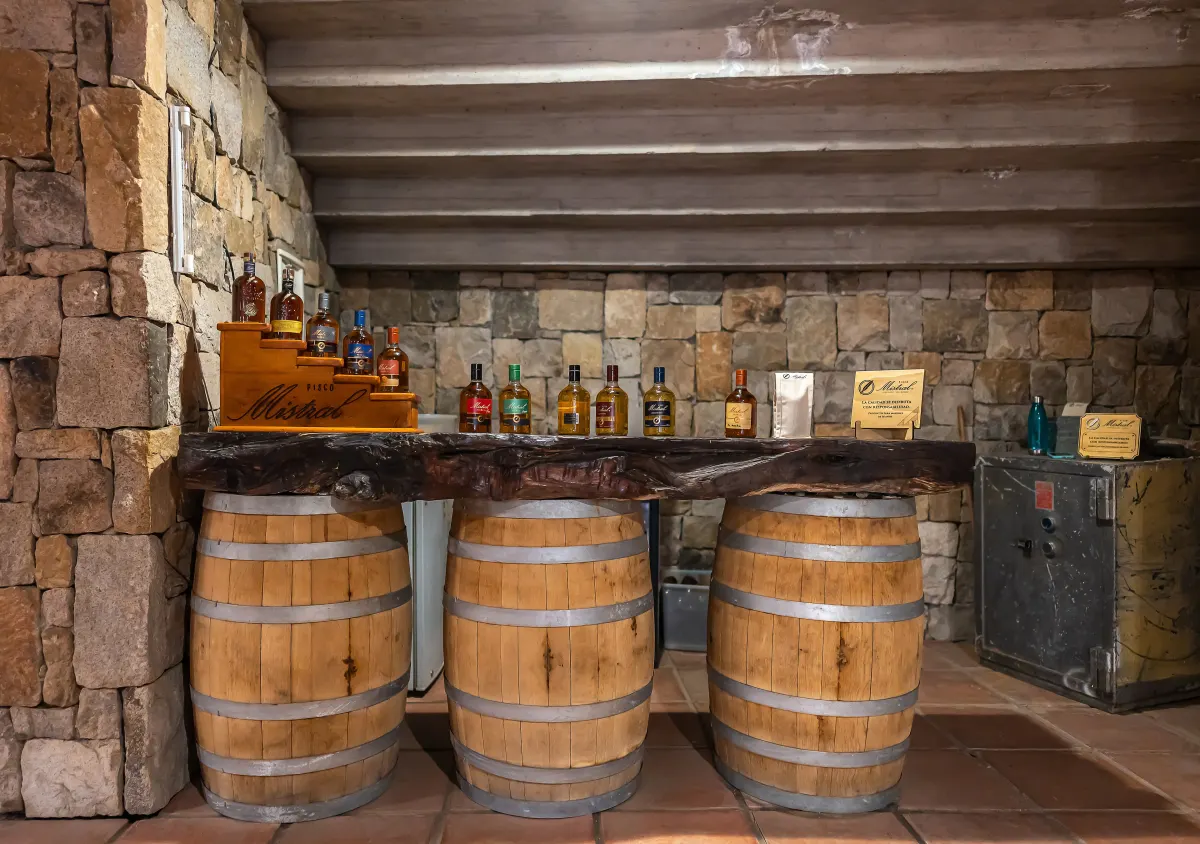
- A grape brandy, made only in Atacama and Coquimbo, the home of the Elqui Valley. Distilleries round Vicuña and Pisco Elqui give tours, small and big.
- Labels: corriente and especial (30 to 35%), reservado (40%), gran pisco (43% or more). Transparente is clear, and guarda has been in oak.
- The pisco sour here is pisco, lemon and sugar, usually without the egg white and bitters of Peru's. Serena libre uses papaya.
- Piscola, with cola, is what Chileans really drink.
- Both countries say pisco is theirs. Don't settle it at the bar.
Other drinks
- Terremoto (earthquake): sweet wine, pineapple ice cream and a dash of something red or bitter, at La Piojera and other old bars of Santiago. The second is the réplica, or aftershock.
- Borgoña: red wine with strawberries. Melón con vino: what it says. Chicha: fermented grape or apple juice, for September. Cola de mono: the coffee and milk punch of Christmas.
- Beer: Cristal and Escudo, or craft ones such as Kross, and Kunstmann from Valdivia. A schop is draught, and a fan schop is with orange soda.
The rules
- You must be 18. Carry identification.
- Drinking in the street, on beaches and in parks is illegal, and people are fined. See Laws.
- Watch your glass in Bellavista and Suecia, where drinks have been spiked: see Safety.
For a route that joins the wineries to Santiago and the coast, see 7 days in Santiago, Valparaíso and wine country.
Taking it home
Pack bottles in the hold. Check your own country's limit, and that a connection doesn't make you go through security again with a bottle in your hand.
Colchagua Valley
Chile's red wine valley, known for Carmenère, with vineyard tours, a wine train and the Colchagua Museum in Santa Cruz.
Chilean wine
Taste Carmenère, Cabernet and cool-climate whites at wineries near Santiago and Valparaíso.
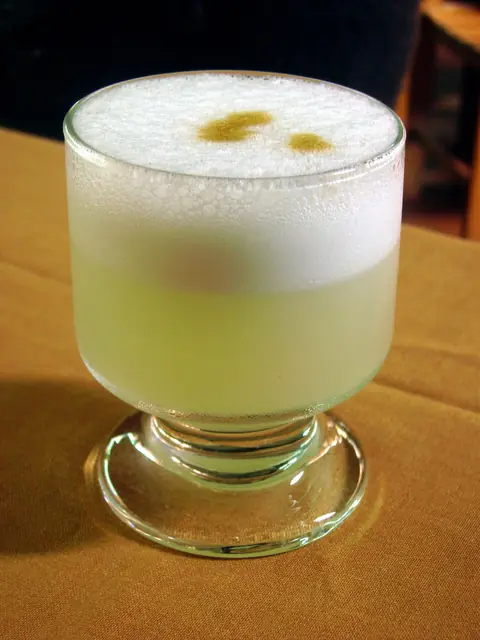
Chilean pisco sour
Pisco with lemon and sugar; pisco is distilled in the Elqui Valley, which you can visit.

Elqui Valley
A green valley of vineyards making pisco, beneath dry mountains, with some of the clearest skies in the world.

Comments