
Spanish in Chile: how Chileans talk, po and cachái, useful words, menus, numbers and how much English is spoken
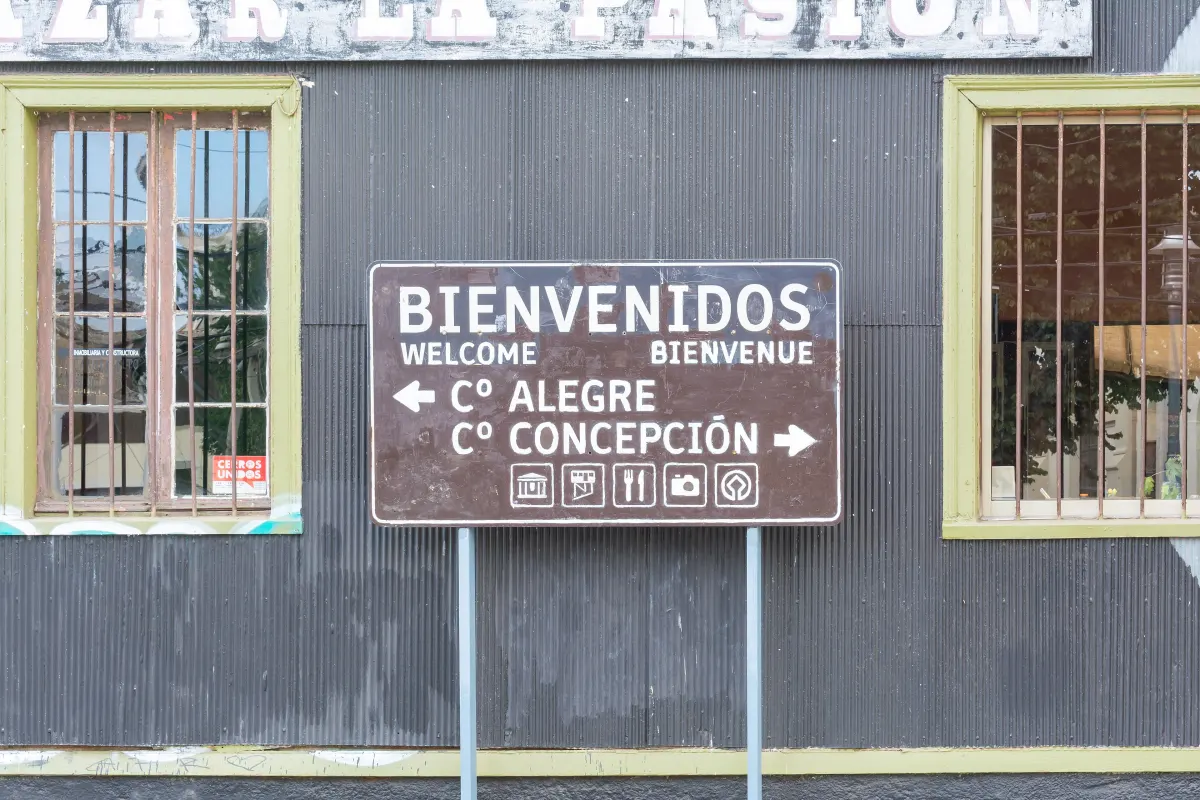
Chileans say themselves that they speak badly. It's fast, the ends of words vanish, and slang fills the gaps. If you learnt Spanish elsewhere, give it three days.
Why it's hard
- S at the end of a syllable is breathed or dropped: más o menos becomes mah o meno.
- D between vowels goes: cansado becomes cansao, and para becomes pa.
- The verb with tú ends in -ái or -ís among friends: ¿cómo estái?, ¿querís? You needn't use it.
- Ask ¿Puede hablar más despacio, por favor?, and they'll laugh and do it.
Words you'll hear all day
- Po (from pues), on the end of anything: sí po, no po, ya po.
- ¿Cachái?: get it? Ya: OK, right, yes, go on.
- Bacán: great. Fome: dull. Al tiro: straight away. Pololo, polola: boyfriend, girlfriend.
- Weón (huevón): mate, or idiot, by tone. Wea: thing. Understand them, and leave them to Chileans.
- Carrete: a party. Caña: a hangover. Flaite: rough, and an insult. Taco: a traffic jam.
- Guagua: a baby, and not the bus it is in Cuba.
- Lucas: thousands of pesos.
Be polite
- Buenos días, buenas tardes (from noon), buenas noches. Por favor, gracias, de nada, permiso, disculpe.
- Quisiera… or ¿Me da…? rather than quiero.
- ¿Habla inglés? before you start in English.
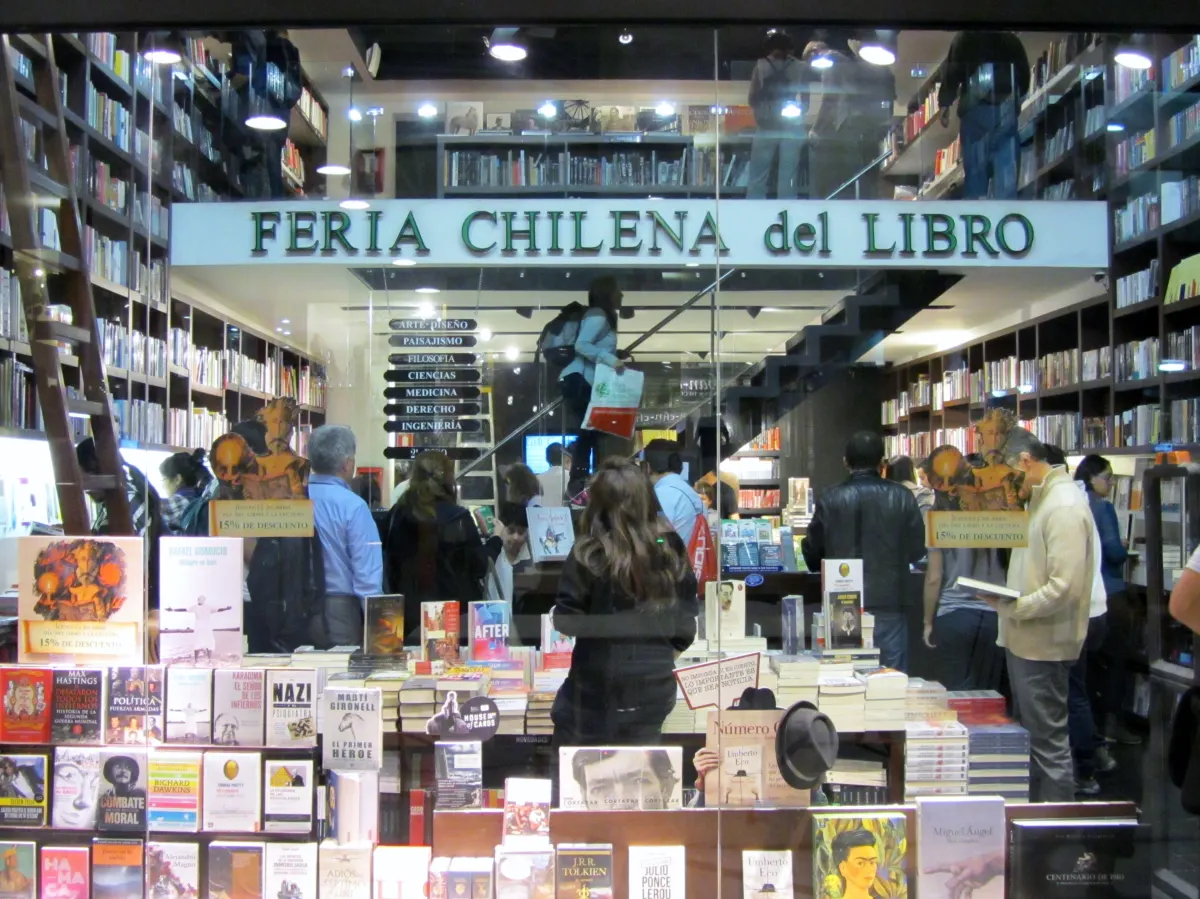
Getting about
- Micro: a city bus. Colectivo: a shared taxi. Terminal de buses, pasaje (ticket), andén (bay).
- Bencina: petrol. Arriendo de autos: car hire. Peaje: toll. Ripio: gravel. Desvío: diversion.
- Cordillera is the mountains, and so east. Costa is west. Directions come in cuadras (blocks).
- Zona de peligro, vía de evacuación: see tsunamis.
Eating
- Palta avocado, choclo corn, porotos beans, poroto verde green beans, frutilla strawberry, damasco apricot, zapallo pumpkin, ají chilli, betarraga beetroot.
- Vienesa sausage, lomo pork or beef loin, pino minced beef and onion.
- Once is the evening tea: see Food. La cuenta: the bill. Para llevar: to take away. Servirse: to eat in.
- Bebida: a fizzy drink. Agua con gas or sin gas. Schop: a draught beer.
Numbers
A dot marks thousands and a comma decimals: $4.500, 2,5 km. Dates are day, month, year. Phone numbers are read in pairs or threes. The 24-hour clock is used for buses.
English
Good in hotels and tour agencies in Santiago, San Pedro, Pucón, Puerto Natales and Rapa Nui. Little on buses, in hospitals, at police stations or on the Carretera Austral. A translation app with Spanish downloaded is worth having, above all at a clinic.
Other languages
Mapudungun: mari mari is hello, and place names come from it: co is water, pucón an entrance, che people. Rapa Nui: iorana hello and goodbye, maururu thank you. Aymara and Quechua in the north. German lingers round Puerto Varas.
Comments