
Country guides
Three full days for the capital, and then up the river to a painters' town, a royal castle and the biggest church in Hungary.
Country guides
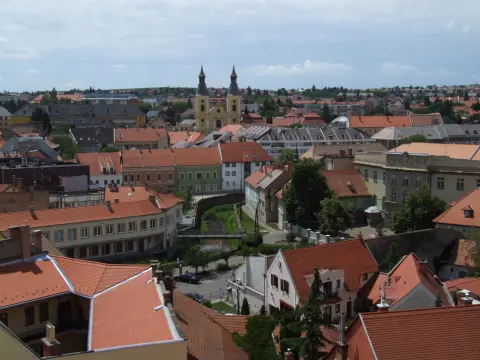
The least visited half of the country, and the easiest to see by train: a baroque town that beat the Ottomans, hills, one of the world's oldest class…
Country guides
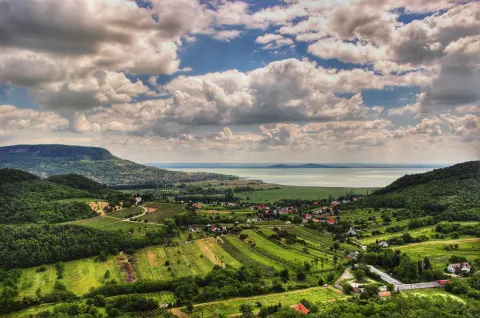
A loop through the sunny half of the country: the lake, dead volcanoes covered with vines, a warm lake to float in, and a southern city with a mosque…
Country guides
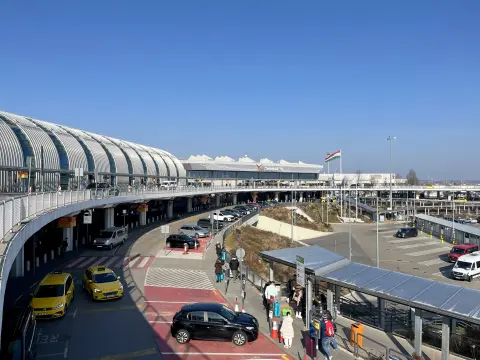
Hungary is in the Schengen area, the group of European countries with no routine passport checks between them.

Country guides
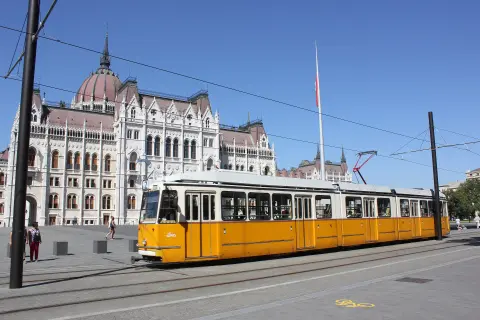
Only a few sights in Budapest need booking, and Parliament is the one that sells out.
Country guides
Budapest has one of Europe's best public transport systems, with four metro lines, trams every few minutes and a network of night buses.
Country guides
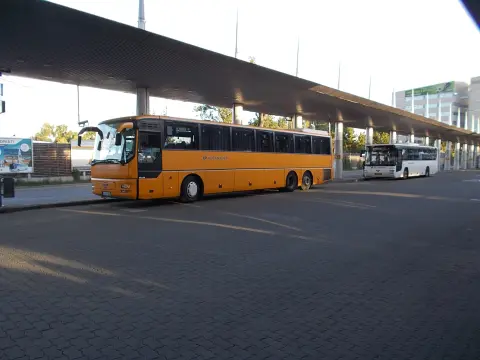
Hungary's country buses go to every village, run by Volánbusz, which is now part of the railway company MÁV.

Country guides
Budapest's two big markets are ten minutes' walk apart, and open in the middle of November.

Country guides
Hungarians can seem reserved, and service brisk, until you say good day.
Country guides
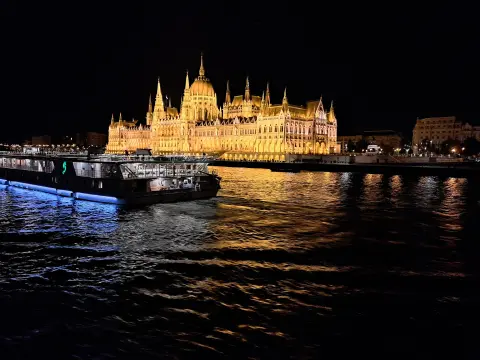
Budapest is at its best from the river, and at night above all, when Parliament and the castle are lit.
Country guides
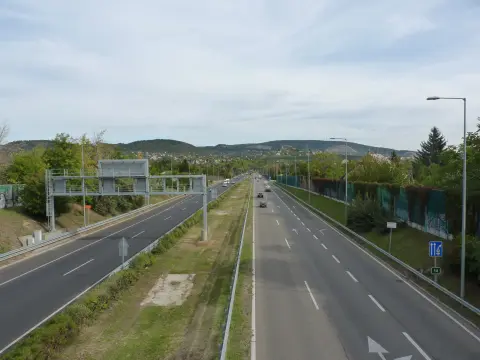
You don't need a car for Budapest, Eger or Debrecen, and in the capital it's a nuisance.

Country guides
Dates are for 2027, as known in November 2026.

Country guides
Hungarian cooking is paprika, onions, lard, sour cream and time.

Country guides
There's little to worry about. Bring insurance, use something against ticks and mosquitoes in the warm months, and respect the summer heat.
Country guides
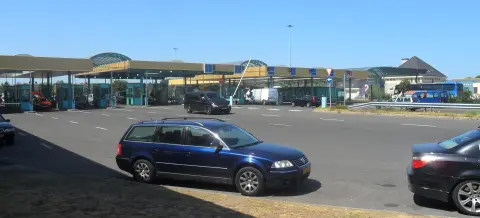
The borders with Serbia and Ukraine are the outer edge of the Schengen area, with full passport and customs checks in both directions.

Country guides
About 200,000 Jews lived in Budapest before the war, and about half were murdered.

Country guides
Lake Balaton is 77 km long, only three or four metres deep, and where Hungary spends its summer.

Country guides
Most of it is common sense. These are the ones that visitors don't expect.

Country guides
Hungary is in the EU but doesn't use the euro.

Country guides
Hungary has fast mobile internet nearly everywhere, 5G in the towns, and free wifi in most cafés and hotels.

Country guides
In the early 2000s people opened bars in the empty, half-ruined houses of the old Jewish quarter, furnished with whatever had been thrown out.

Country guides
Hungary is a safe country. Violent crime against visitors is rare, and Budapest feels calmer at night than most capitals its size.

Country guides
Nearly all the stories of trouble in Budapest are one of a few tricks, all of them old.

Country guides
Hungarian isn't related to any of its neighbours' languages.

Country guides
Hungary sits on hot water, and bathing in it is a Roman, Turkish and Habsburg habit that never stopped.

Country guides
A tip is borravaló, "for wine". About 10% is usual in a restaurant, unless the bill already has a service charge, and in Budapest it very often has.
Country guides
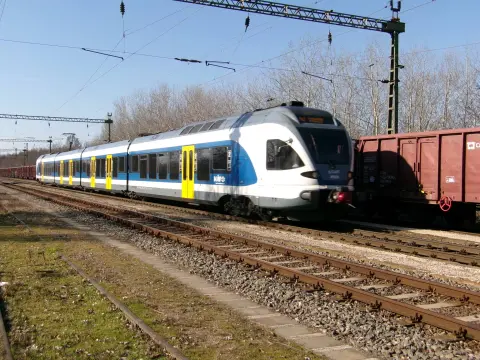
Trains reach nearly every town in this section, and they're cheap.

Country guides
May, June, September and early October are best for nearly everything: warm days, long light, and fewer people.

Country guides
For a first visit stay in Pest, inside the Grand Boulevard, within a walk of a metro station.

Country guides
Hungary has 22 wine districts, with grapes you'll hardly meet anywhere else, and tasting is cheap and friendly.
